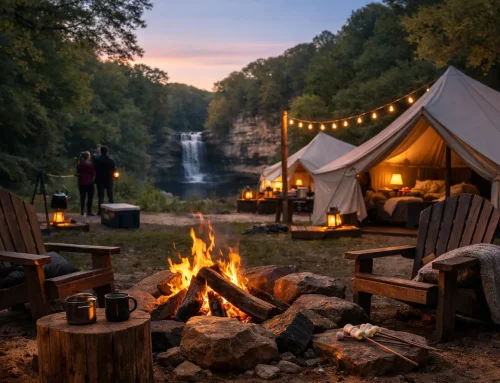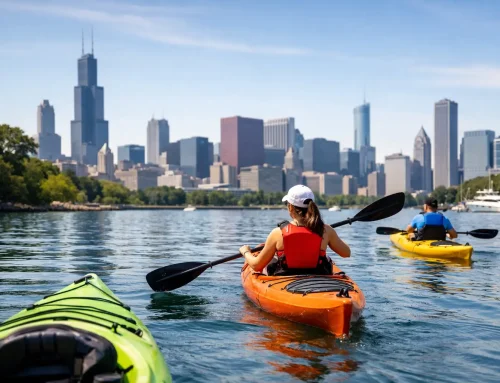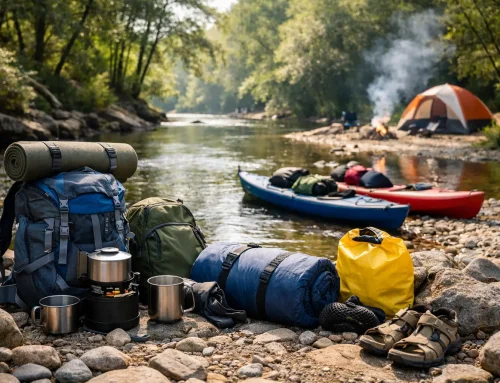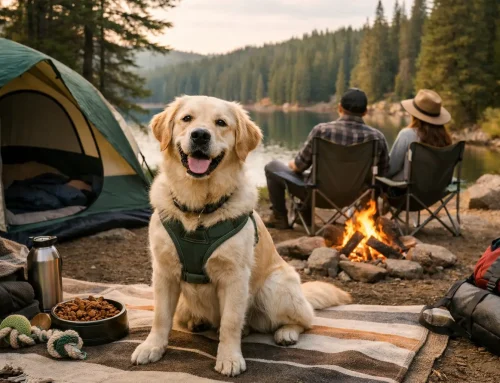
A Friday escape should not require a packing spreadsheet, a gear garage, and a recovery day on Sunday. For campers planning a weekend near Starved Rock, the popup or tent camping question usually comes down to one thing: how much comfort do you want between a sunset paddle and your first cup of coffee by the Illinois River?
Both options can deliver the good stuff – campfire conversations, river views, stargazing, and an easy base camp for kayaking. The better choice depends on your crew, your tolerance for weather, how much gear you own, and whether your idea of roughing it includes sleeping on the ground.
Popup or Tent Camping: Start With Your Weekend Style
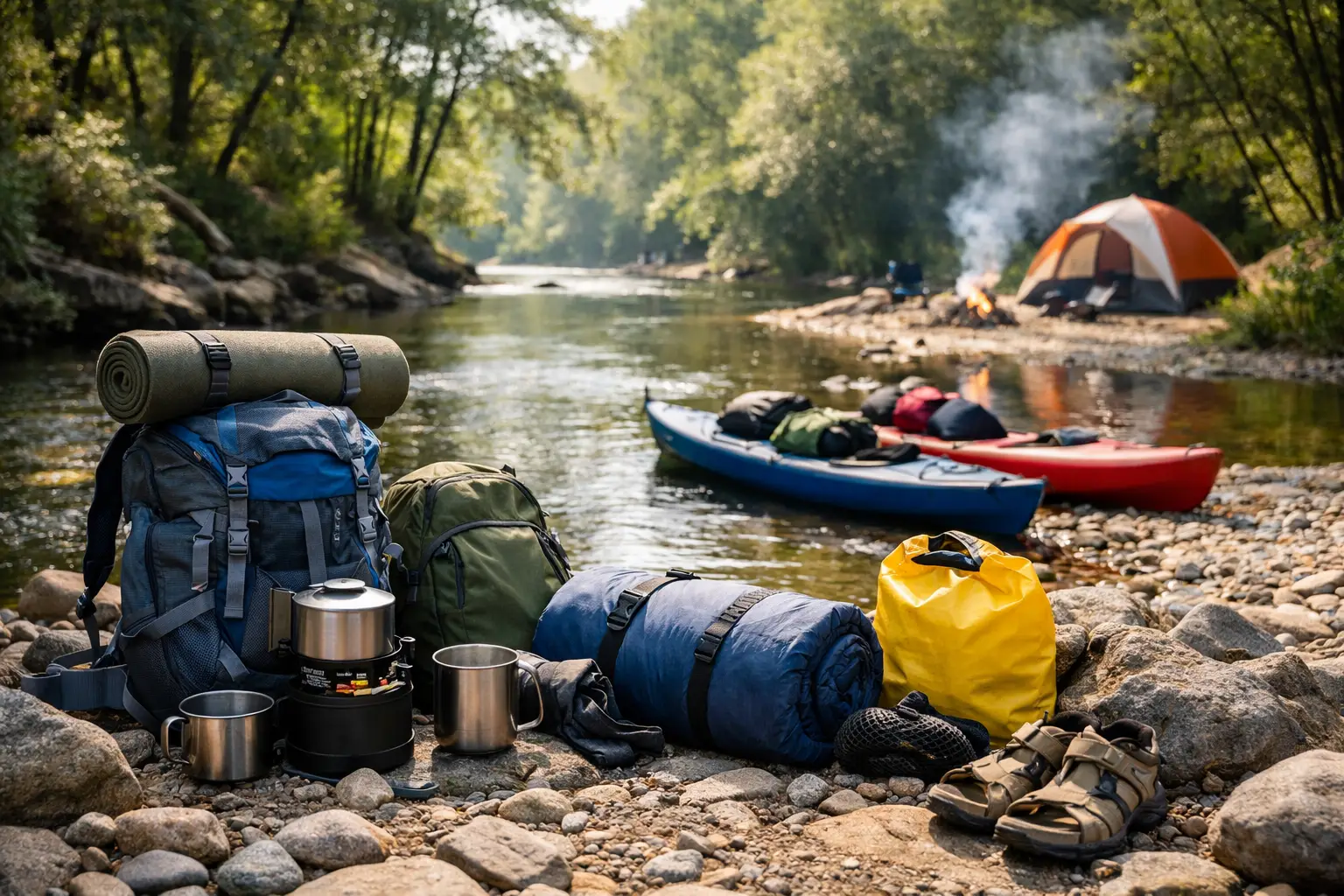
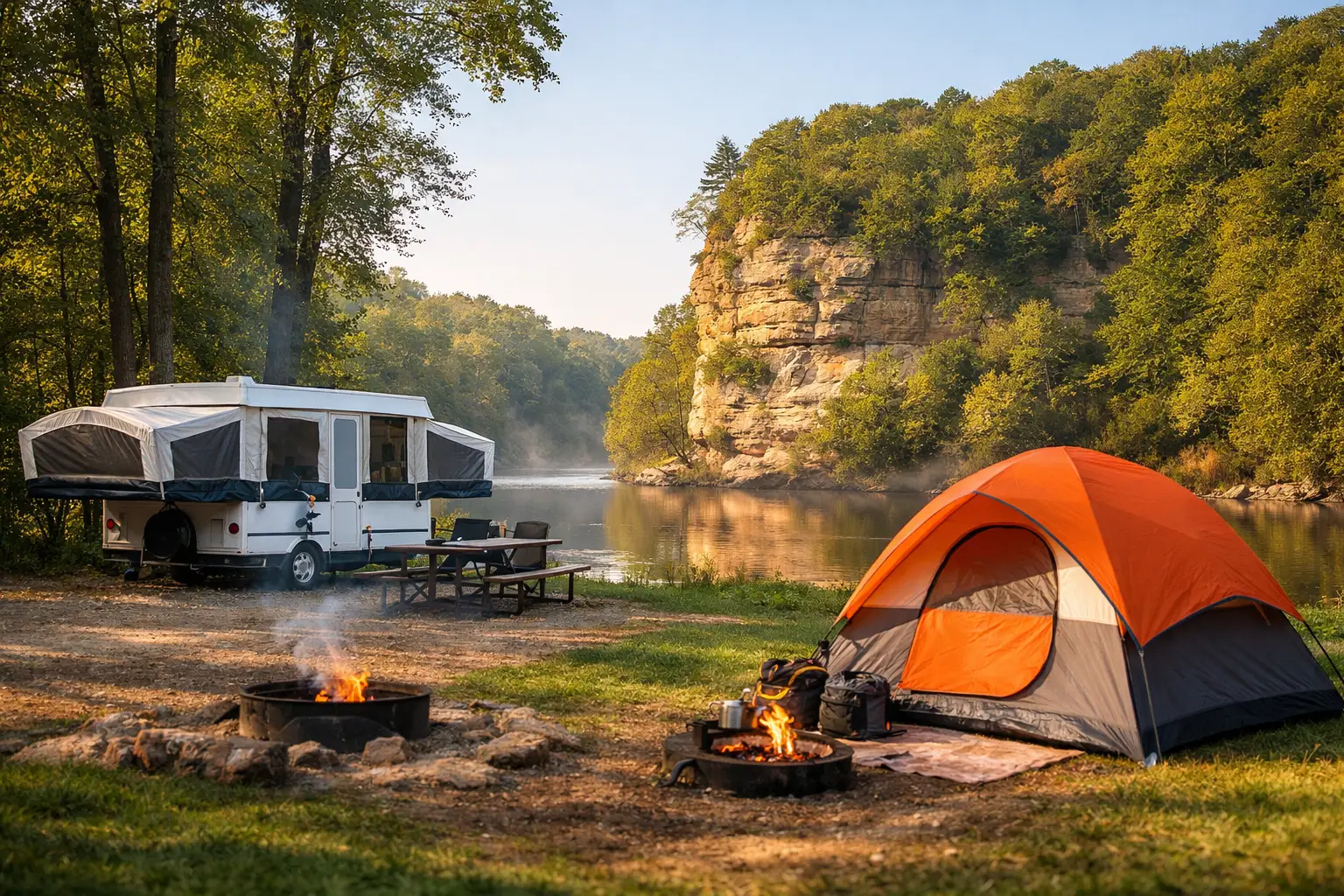
Tent camping is the classic, close-to-nature option. Bring your tent, sleeping bags, pads, cooler, and camp setup, then make the site your own. It is flexible, affordable, and especially fun for campers who like the ritual of arriving, picking a spot, and getting everything dialed in together.
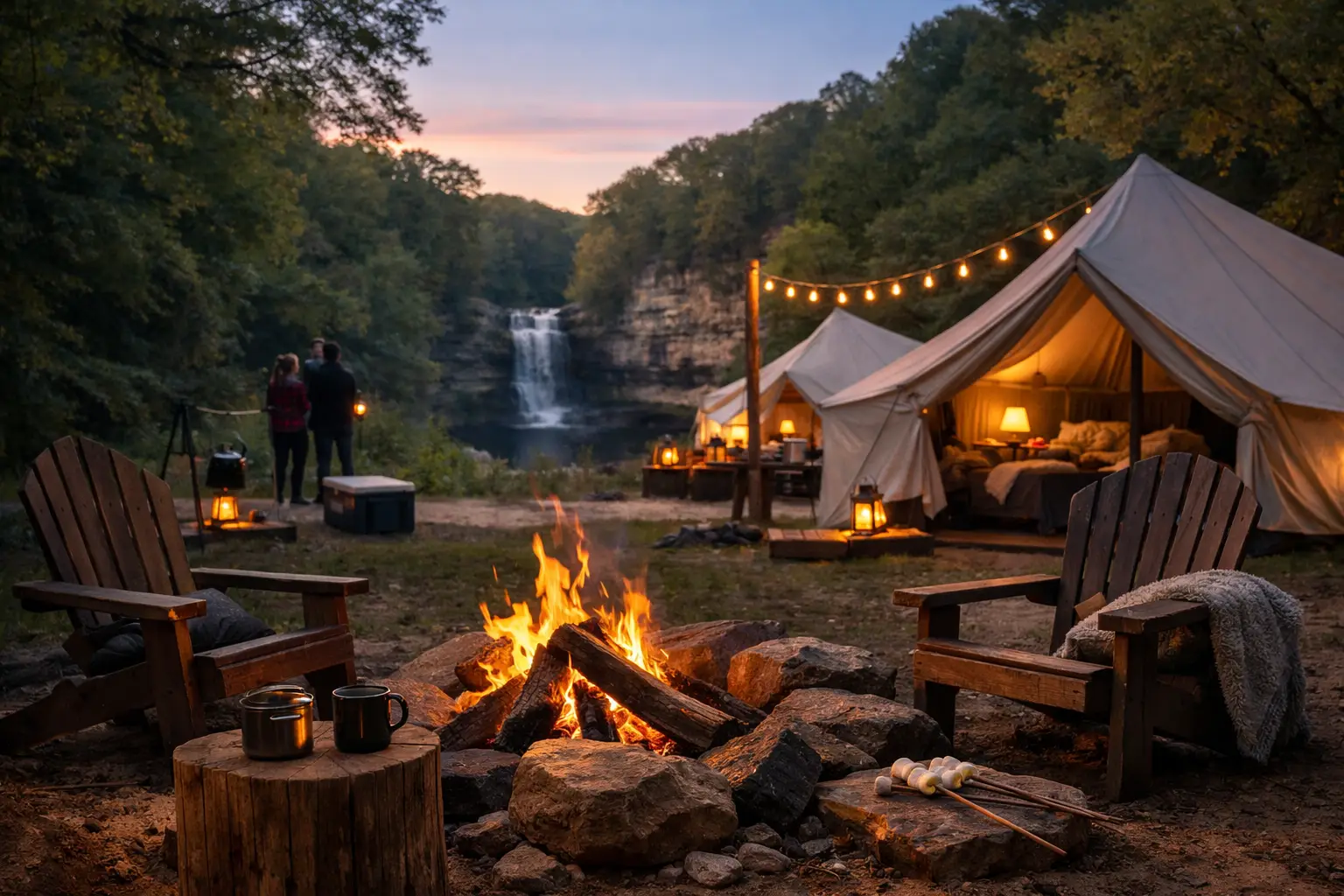
Popup camping means a more structured sleeping setup, typically a popup camper with raised beds, solid flooring, and extra protection from rain, wind, and early-morning dampness. It still feels like camping – you are outside, cooking, exploring, and falling asleep to nighttime sounds – but with a little more separation between you and the ground.
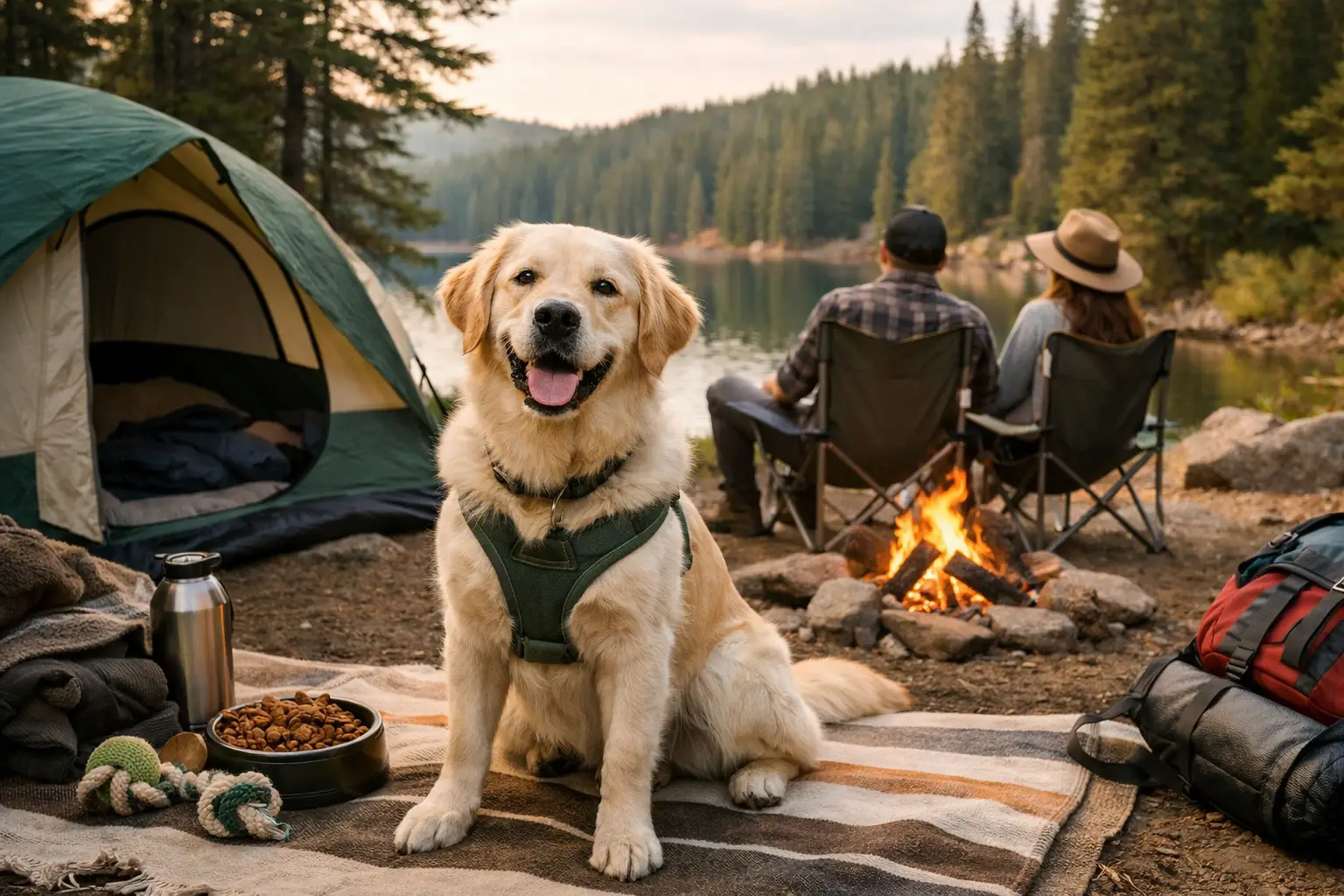
Neither is automatically better. A couple traveling light may love a tent and a compact cooler. A family with young kids may appreciate the easier bedtime routine and dry, elevated sleep space of a popup. If you are bringing a dog, your decision may hinge on whether your pup settles better beside your sleeping bag or in a roomier enclosed setup.
Choose a tent if you want the full campout feeling
A tent is a great match for people who want to keep the weekend simple and active. If your plans include a daytime kayak rental, a walk around Starved Rock National Park Illinois, dinner by the fire, and a lazy morning outside, you may not need a lot of indoor space.
Tents are also easier for groups where everyone has different plans. Friends can book neighboring sites, bring their own gear, and create a shared camp kitchen without needing to coordinate one larger camper setup. For scouting groups and families introducing kids to camping, pitching the tent can be part of the adventure rather than a chore.
The trade-off is comfort and weather exposure. A good tent, rainfly, sleeping pad, and tarp make a major difference, but you will still feel cold ground, humidity, and the occasional 6 a.m. bird concert more than you would in a camper. Pack for the forecast, not just the Instagram version of the forecast.
Choose a popup if comfort helps everyone have more fun
Popup camping is a strong choice when your group wants the outdoor experience without giving up a better night of sleep. Raised beds can make a big difference for adults who do not love crawling out of a tent in the morning, and the extra interior room gives families a place to reset after a busy day.
It can also make a short camping trip feel more doable for first-timers. You still get campfire smoke in your hoodie and river air at breakfast, but you do not have to buy, borrow, or learn every piece of tent-camping equipment before you go. That matters when you are leaving Chicago after work and want to spend your time relaxing, not troubleshooting tent poles in the dark.
A popup is not a hotel room on wheels, though. You will still want layers for cool evenings, a flashlight, camp chairs, food storage, and a plan for keeping wet gear organized. Think of it as camping with a comfort boost, not camping with zero prep.
What Weather Changes About the Decision
Illinois weather loves a plot twist. A warm afternoon can turn into a chilly evening, and a quick storm can arrive just as dinner hits the grill. That does not mean tent camping is off the table. It means the tent needs to be properly set up, staked down, and protected with a fully secured rainfly.
For fair-weather weekends, tents are easy and fun. During spring and fall, or when rain is in the forecast, a popup can reduce stress by giving you more shelter and a dry sleeping surface. Families with younger children often find that this cushion makes the whole trip more enjoyable, especially when everyone needs a place to change out of damp clothes after paddling.
Whatever you choose, bring extra layers and keep sleeping gear dry. Riverfront camping is beautiful precisely because you are close to the water, but that location can also feel cooler at night than a suburban backyard. A warm sleeping bag and a dry pair of socks are small items with very big morale benefits.
Camping Near Chicago Should Feel Easy, Not Overplanned
A campground near Starved Rock is one of the best ways to turn a day trip into a real getaway without spending half the weekend driving. The goal is simple: arrive, settle in, get outside, and let the schedule loosen up.
Tent campers can keep the packing list focused on essentials: shelter, sleep system, lighting, camp chairs, water, meals, and clothing for changing conditions. Do a test setup at home if the tent is new. It is much more fun to learn where the rainfly clips go in your driveway than after sunset at camp.
Popup campers should check the basics before leaving: hitch connection, lights, tire condition, leveling supplies, bedding, and any campground requirements for the specific unit. If you are reserving a popup or other ready-to-camp accommodation, confirm what is included so you can avoid packing duplicates. The best weekends have room for spontaneity, but they still start with a few practical checks.
For either setup, arrive with enough daylight to get oriented. Set up camp before opening the snacks, identify the restrooms and common areas, and make sure everyone in the group knows where lights, shoes, and rain jackets are. Future-you will be grateful.
Build a Better Illinois River Camping Weekend
Camping near the Illinois River gives a Starved Rock visit a different rhythm. Instead of rushing through trails and heading home, you can wake up near the water, take your time with breakfast, and make a paddle part of the plan. The nearby sandstone bluffs, wooded scenery, and broad river views make a great backdrop for a weekend that feels much farther away than it is.
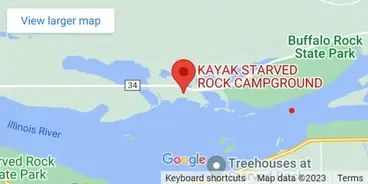
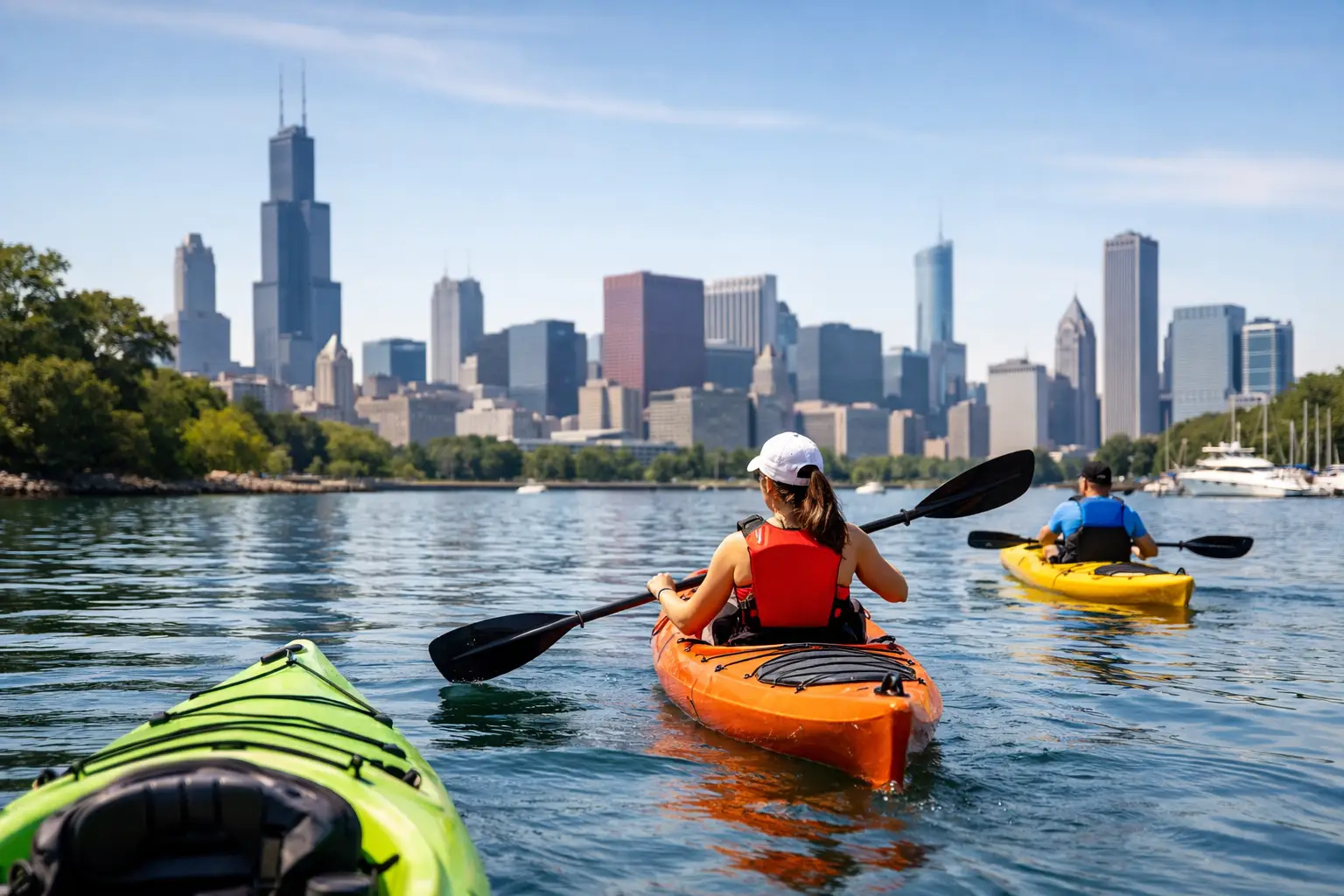
At Kayak Starved Rock Campground, that can mean pairing waterfront camping with a beginner-friendly flatwater kayak experience. The dam-controlled setting has no current, and the shallow conditions are designed to help first-timers feel comfortable. PFDs are required on the water, and that is non-negotiable – the best paddle stories end with everyone returning to camp smiling, dry enough, and ready for snacks.
A guided tour can be especially helpful if someone in your group is nervous about kayaking. You get safety instruction, on-water leadership, and less guesswork about where to go. More confident paddlers may prefer a rental and an unhurried route, but everyone should respect launch times, weather guidance, and the last-launch cutoff. Camping is relaxed. Water safety is still structured.
Dog-Friendly Camping Means Planning for the Whole Pack
Dogs are excellent camping companions when their humans plan ahead. Bring a leash, water bowl, waste bags, a tie-out or familiar bed, and a towel for muddy paws. If your dog is joining a kayak outing, make sure they are comfortable around water and can sit calmly in the boat. A dog PFD is a smart addition, especially for longer paddles or dogs that like to leap before looking.
Tent camping can be perfect for dogs that love curling up near their people, but make sure there is enough room for everyone to sleep comfortably. A popup may work better for larger dogs or families that need more floor space. In both cases, be considerate of neighboring campers: manage barking, keep food secured, and do not assume every person or dog wants a surprise greeting.
The Best Choice Is the One That Gets You Outside
If you already own a tent and enjoy using it, bring it. If sleeping on the ground is the one thing stopping your group from booking a weekend away, choose a popup option and make the trip happen. The scenery, campfire, and time together do not care how fancy your sleeping setup is.
Pick the setup that leaves you with energy for the part that matters most: watching the river settle into evening, swapping stories after a paddle, and waking up near Starved Rock with nowhere urgent to be.