A good dog-friendly weekend should not begin with your pup staring at a packed car while you realize the campground has leash restrictions, no shade, and nowhere nearby to walk. Learning how to plan dog friendly camping means choosing a place built for both people and paws, then keeping the schedule simple enough that everyone can actually relax.
For Chicago-area campers, that can look like a waterfront campsite, a campfire dinner, a bluff-country hike, and a calm paddle on the Illinois River. The best part is that you do not need to drive all day or bring a garage full of gear to make it happen.
Start With a Truly Dog-Friendly Campsite
“Pets allowed” and “dog friendly” are not always the same thing. A pet-friendly campground may permit dogs but have tight rules that make the stay feel like a constant negotiation. Look for a site with room to settle in, easy access to walks, clear leash expectations, and enough separation from neighboring campers that your dog is not greeting every tent in the loop at 6:30 a.m.
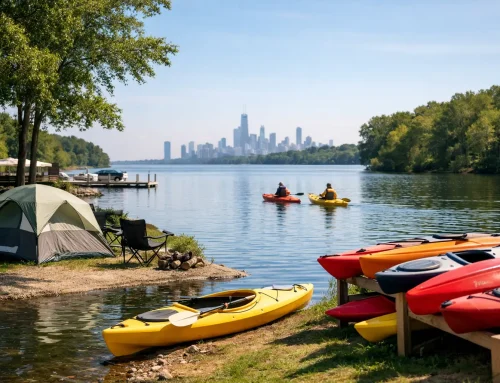
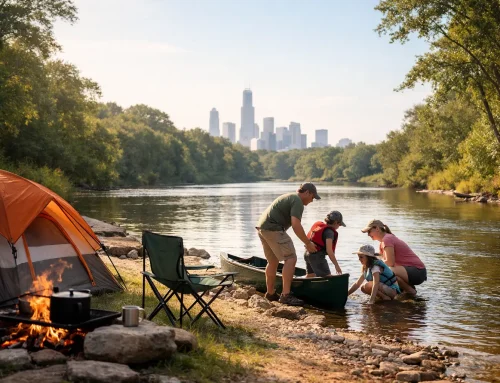
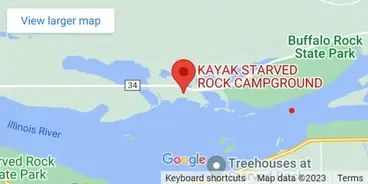
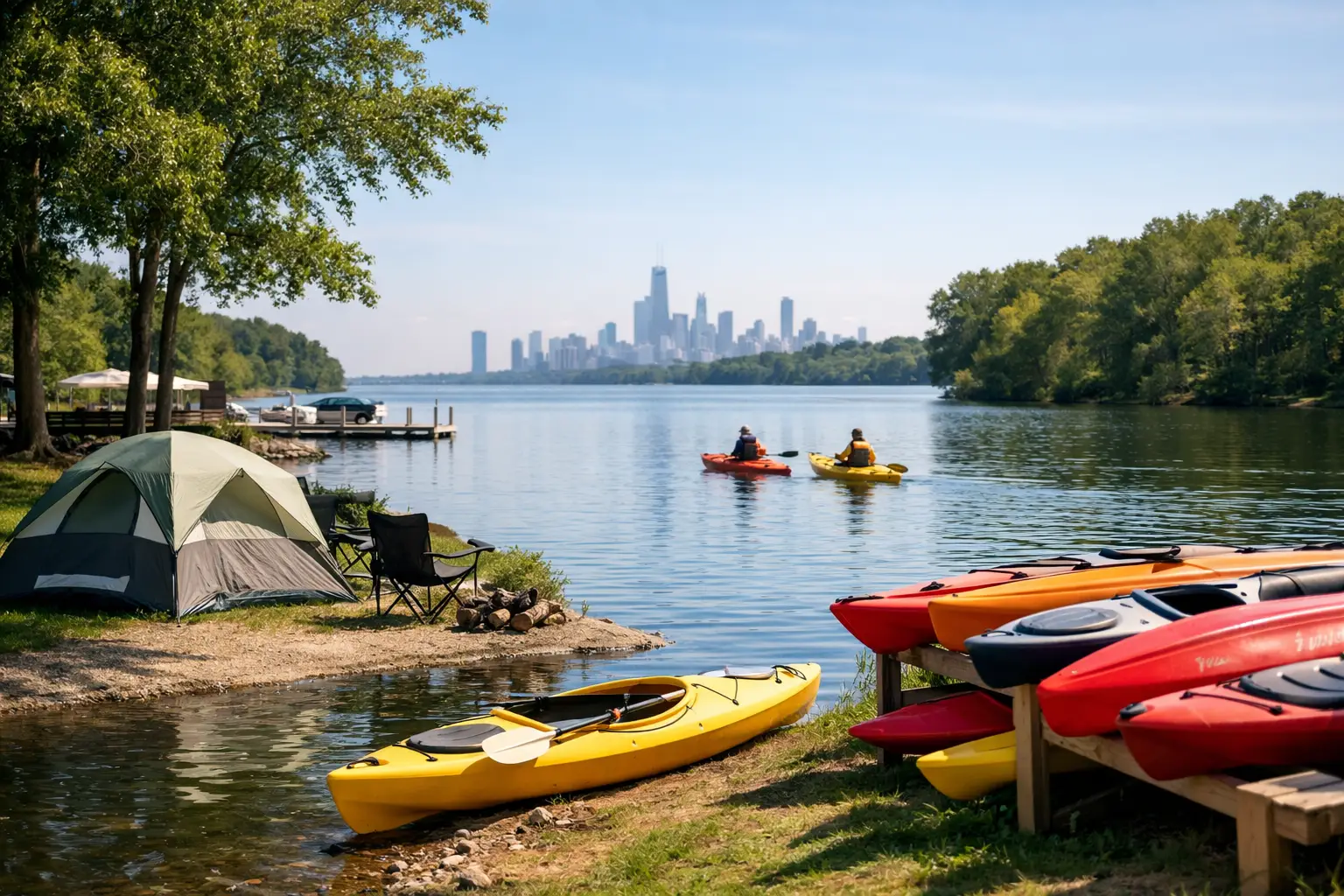
Waterfront camping near Starved Rock State Park can be a great fit for dogs that enjoy new smells, fresh air, and hanging out with their people. It also gives your group more to do without piling back into the car between activities. At Kayak Starved Rock Campground, campers can pair a riverside stay with kayaking on beginner-friendly flatwater, making it an easy near-Chicago reset for couples, families, and friend groups.
Before booking, check the campground’s current pet policies. Ask about the number of dogs allowed per site, leash length, quiet hours, designated walking areas, and whether pets can join you at shared spaces. A clear policy is a good sign. It protects your dog, your neighbors, and the peaceful campground vibe everyone came for.
Choose the Right Camping Setup for Your Crew
Your dog does not care whether you sleep in a fancy tent or a tear drop camper. They do care about being close to you, having a dry place to rest, and not getting overheated in the afternoon sun.
A traditional tent is a classic choice for a simple weekend away. Choose one with enough floor space for your dog’s bed or crate, plus a vestibule for muddy paws, food, and leashes. A pop-up camping setup can be a low-stress option when you want to spend less time assembling poles and more time exploring. Tear drop camping offers a cozy, ready-to-roll feel, especially for couples or small families who want a more sheltered place to sleep.
The trade-off is space. A compact camper can feel wonderfully easy until a wet 70-pound dog decides the bed belongs to them. A tent offers more room but requires a little more setup and weather awareness. Match the setup to your dog’s size, sleep habits, and comfort level, not just the photos you want to take.
Pack for Comfort, Not Just the Cute Photo
Dogs are skilled at finding the one puddle, burr patch, or suspicious smell you somehow missed. A small, organized pet kit keeps those little adventures from becoming trip-ending dramas.
Bring these essentials:
- A leash, backup leash, harness, and ID tags with current contact information
- A water bowl, extra water, regular food, treats, and any medications
- A dog bed, blanket, towel, and a way to keep your pup dry after rain or swimming
- Waste bags, pet-safe wipes, a basic first-aid kit, and tick prevention appropriate for your dog
Add a long line only if the campground permits it and you can supervise closely. It can give a dog more room to sniff around camp without turning them loose. Never assume an off-leash dog will be welcome, even if they are friendly. Other campers may have nervous dogs, small children, food out, or a strong preference for personal space.
For summer camping in Illinois, plan around heat. Shade, cool water, and midday downtime matter more than an ambitious itinerary. Watch for heavy panting, sluggishness, drooling, or a dog who suddenly refuses to walk. On hot days, an early paddle or morning hike is smarter than trying to power through the afternoon.
Build a Dog-Friendly Weekend, Not an Overstuffed Schedule
The trick to camping near Chicago is resisting the urge to do everything. After the drive, campsite setup, and the excitement of arriving somewhere new, many dogs need time to decompress. Give them a slow walk around the approved areas, let them drink water, and allow a few quiet minutes at camp before launching into the big adventure.
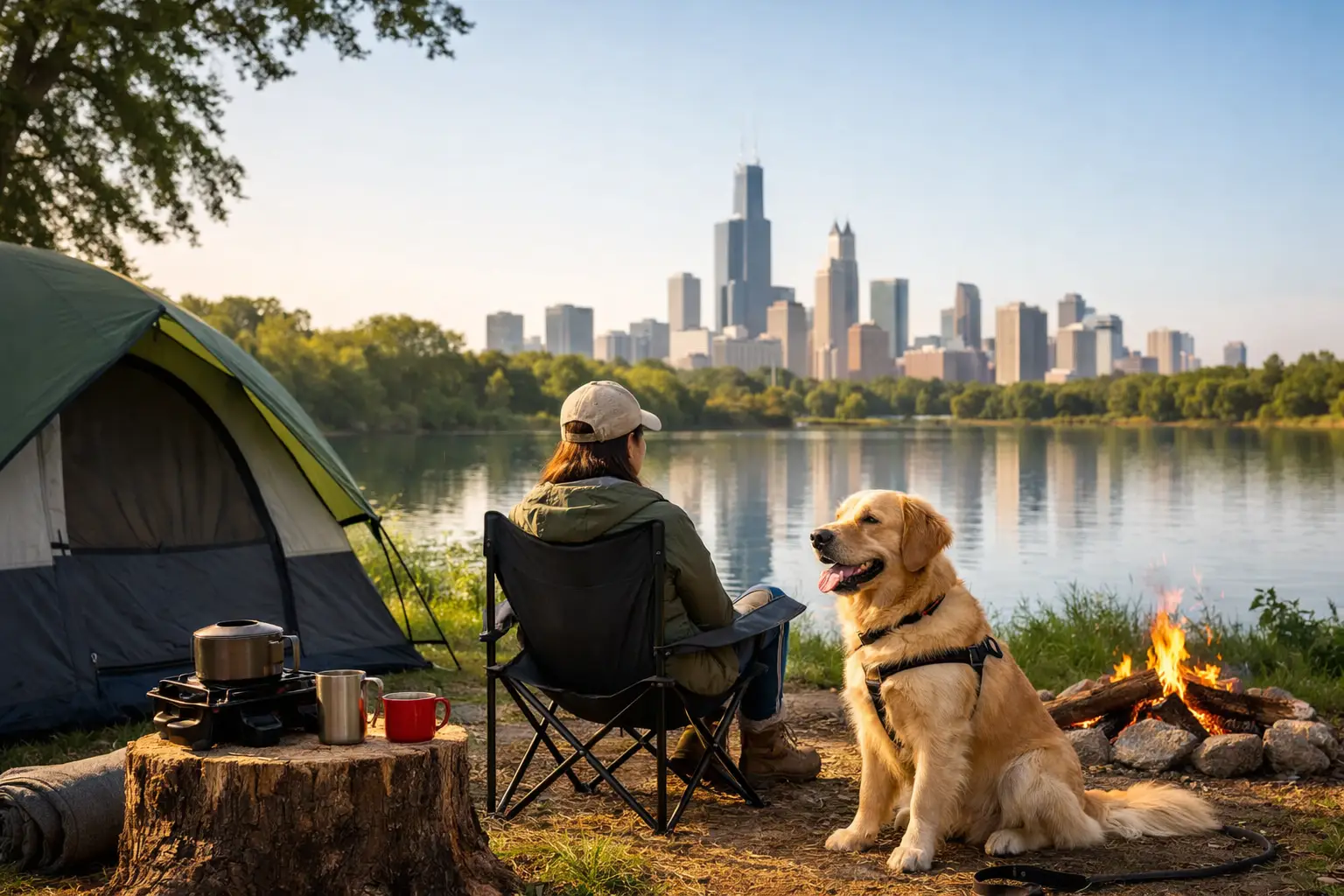
A strong first evening is simple: set up camp, take a riverside stroll, eat dinner, and let your dog settle beside the campfire area if campground rules allow. Keep food secured and never leave your dog unattended at the site. Even an easygoing pup can become stressed when unfamiliar people, wildlife, and nighttime campground noises start moving around.
The next morning is ideal for the main activity. If kayaking is on the plan, consider your dog’s personality honestly. A dog who can settle on a towel or sit calmly near you may enjoy a short, mellow paddle. A dog who lunges at squirrels, panics around water, or cannot stay put may have a better day with a walk and a nap at camp while another member of your group paddles.
Make Kayaking With Your Dog a Safe Yes
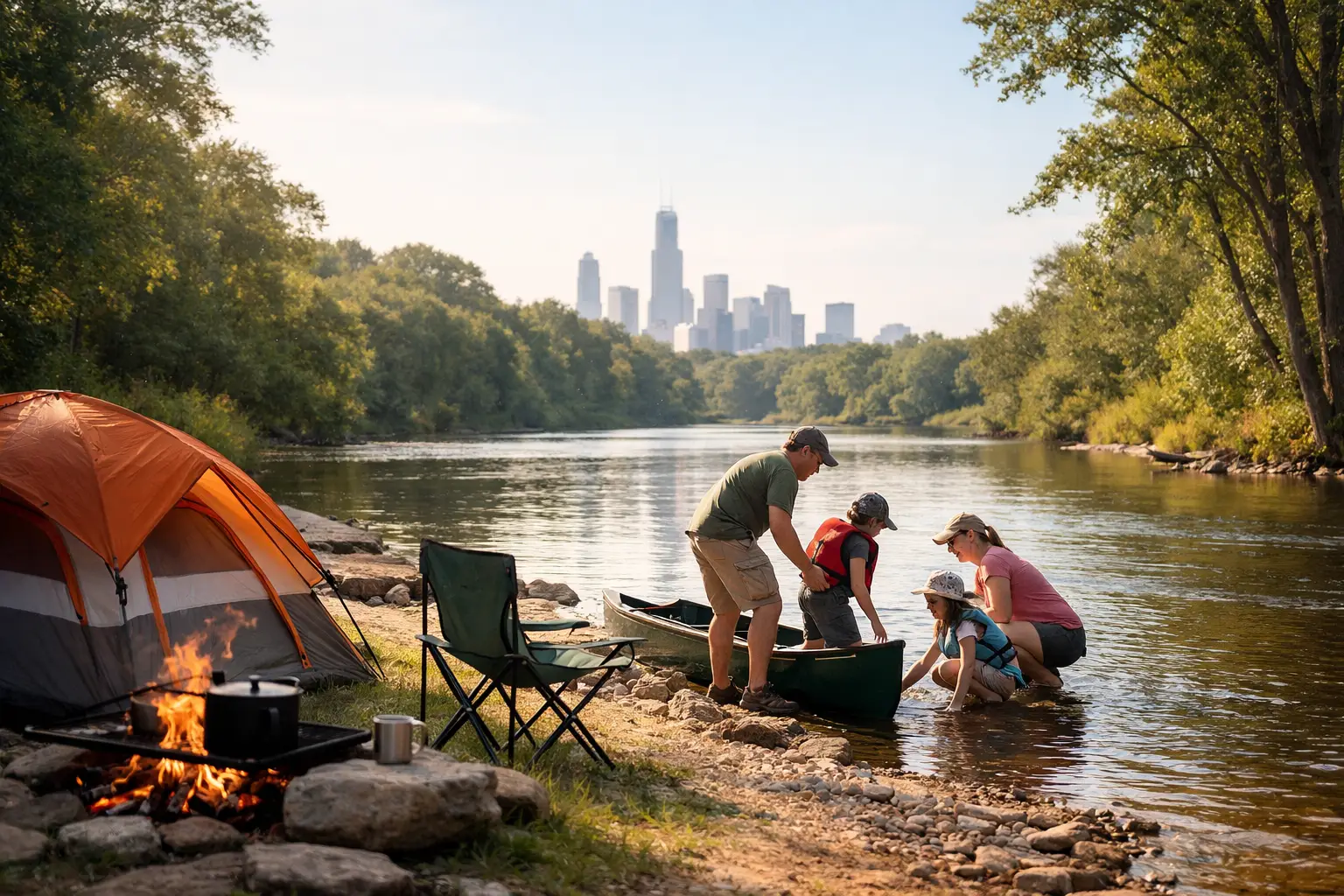
Dog-friendly camping and kayaking can be a perfect pairing, but only when safety leads the plan. Flatwater on the Illinois River is welcoming for many first-time paddlers, yet it is still water. Every person in the kayak needs a properly fitted PFD, no exceptions. A canine life jacket with a secure handle is a smart choice for dogs, especially dogs that are new to boats, tired swimmers, or enthusiastic jumpers.
Start with a short outing. Let your dog see and sniff the kayak on land, then practice getting in and out while the boat is stable. Bring a nonslip mat or old towel so they have a clear place to sit. Keep their leash off while on the water unless a guide specifically advises otherwise. A trailing leash can snag on gear or create a dangerous situation if a dog jumps overboard.
Pack drinking water for your dog rather than letting them rely on river water. Bring a towel, a few treats, and nothing that will create chaos if it gets wet. If you are new to kayaking, a guided outing can remove a lot of guesswork. You get safety instruction, on-water leadership, and help finding a comfortable rhythm before you turn the trip into your dog’s personal expedition.
Respect Wildlife, Neighbors, and Your Dog’s Limits
Camping puts your dog in a world full of fascinating distractions: birds overhead, fish near the shore, raccoons after dark, and a hundred scent trails through the grass. That does not mean every interesting thing needs an introduction. Keep your dog away from wildlife, do not let them dig into shoreline nests or vegetation, and clean up waste promptly.
Be realistic about barking, too. A campground is social, but it is also a shared place to sleep. If your dog barks at every passing tent zipper, bring familiar bedding, use a crate if that helps them settle, and create a calmer evening routine. Sometimes the kindest choice is skipping a busy holiday weekend in favor of a quieter date.
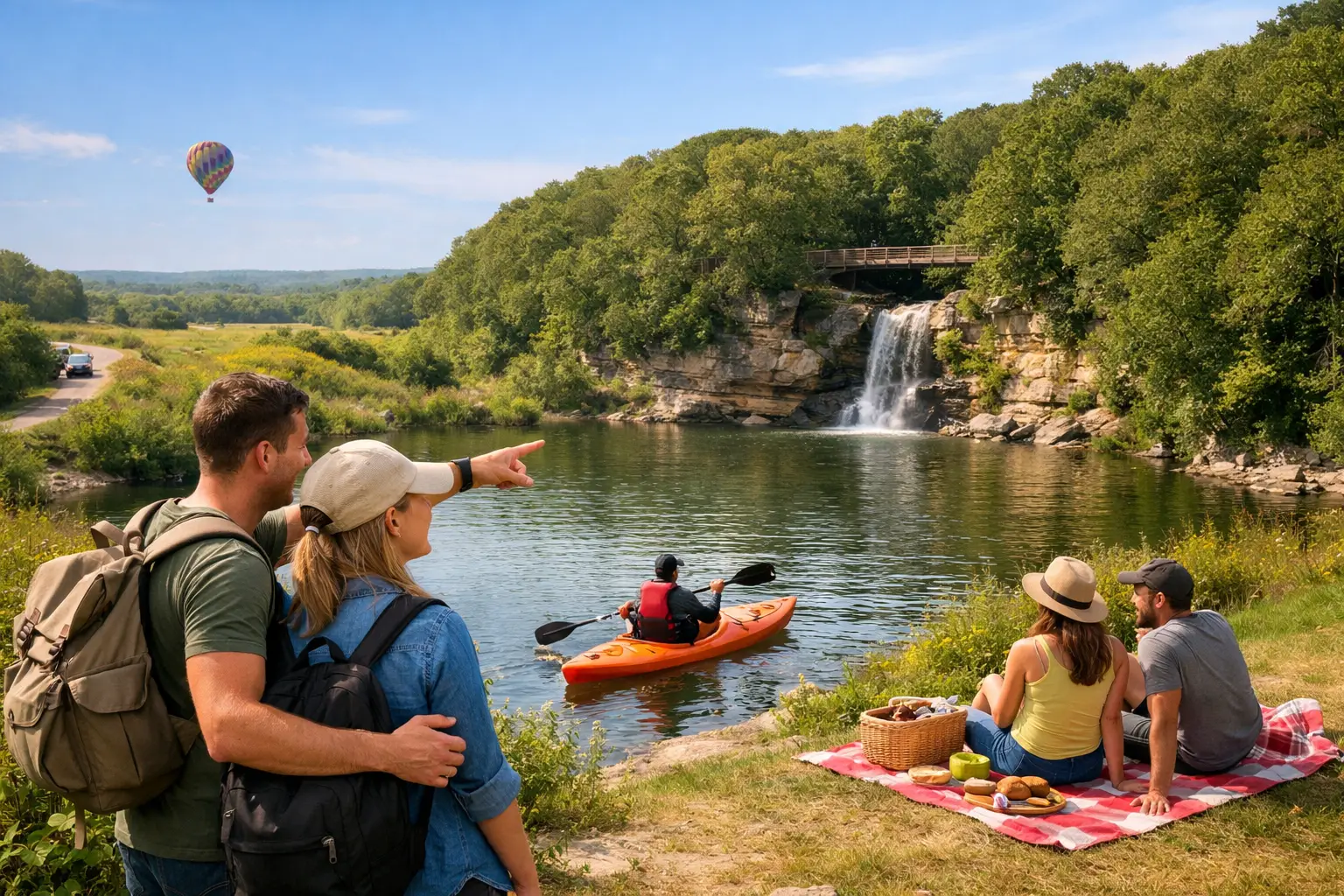
The same goes for hiking around Starved Rock. Check current trail and pet rules before you go, keep your dog leashed, and choose routes that match their conditioning. Sandstone canyons, stairs, crowds, and warm rock surfaces can be more demanding than they look on a map.
How to Plan Dog Friendly Camping Without the Stress
The best plans leave room for your dog to be a dog. Book a campsite that welcomes them, pack the practical basics, choose one or two headline activities, and keep a backup plan for weather or an overstimulated pup. A tent nap and a quiet river view can be just as memorable as a packed itinerary.
When your dog curls up tired and content after a day outside, you will know you planned it right: more fresh air, fewer logistics, and a weekend where the whole crew got to come along.