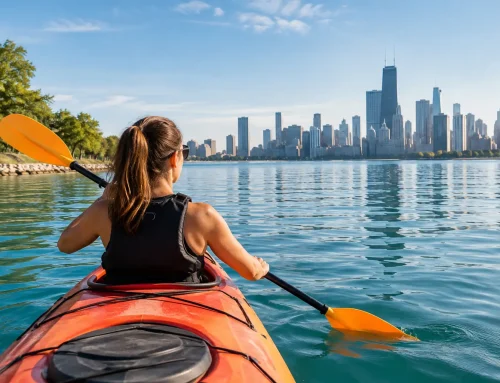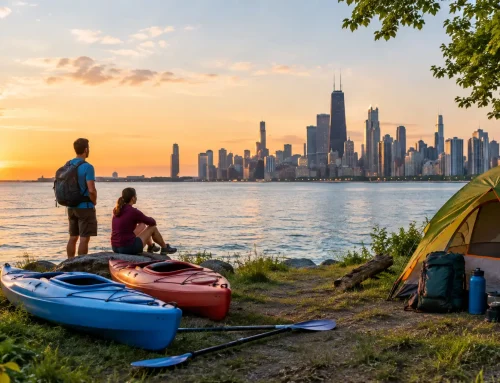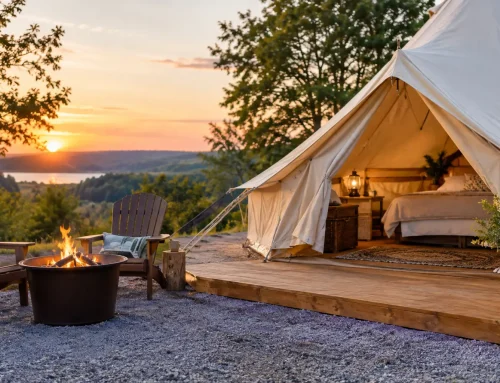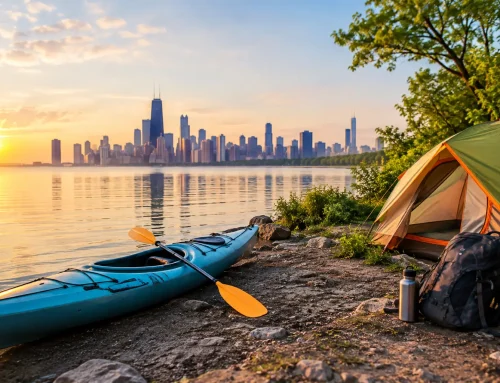
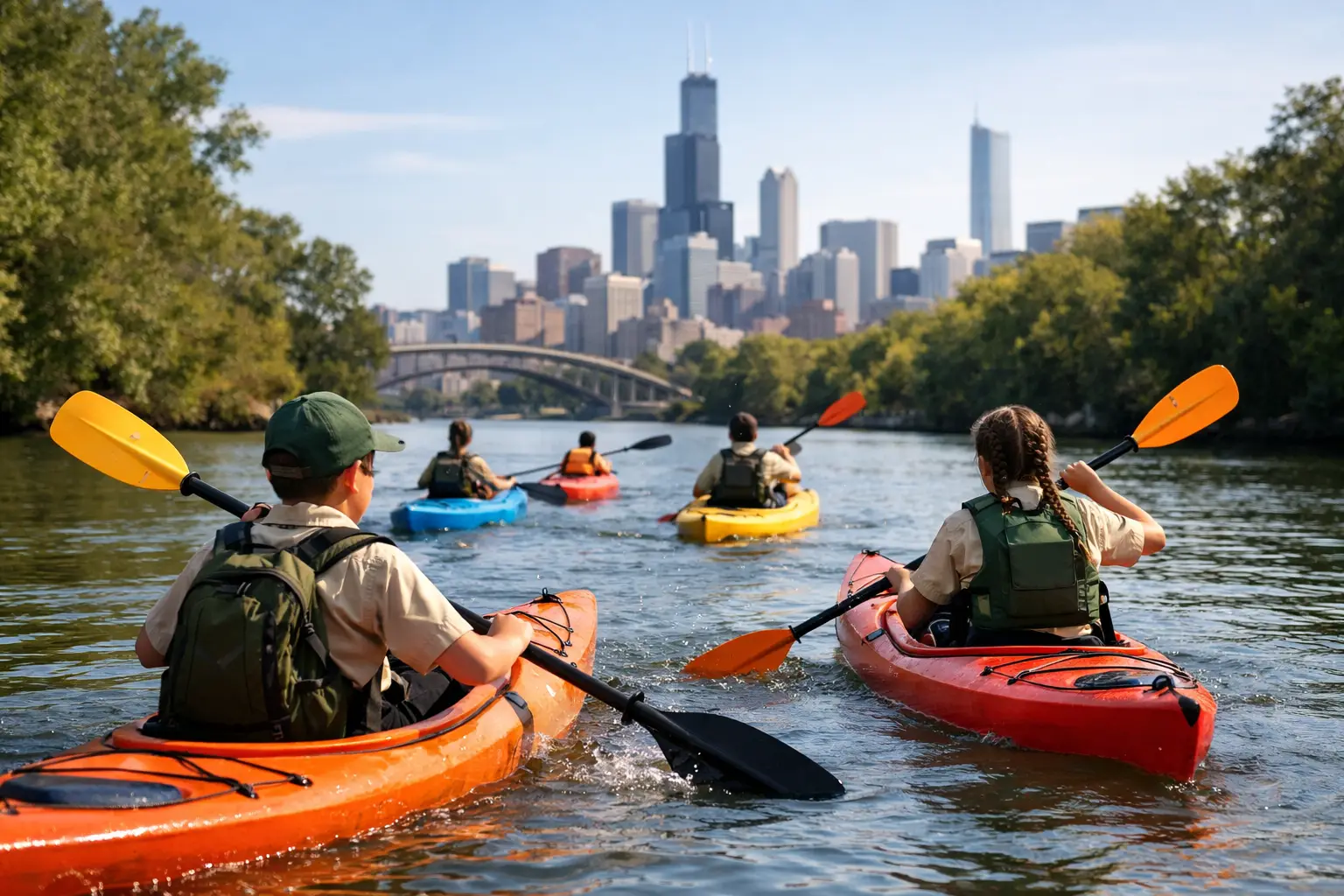
A great scout outing should give everyone a story to bring home – not leave leaders juggling transportation, complicated gear, and nervous first-time paddlers. Scout group kayaking on the Illinois River can be that rare win: real outdoor adventure, practical skill-building, and plenty of room for laughter when somebody names their kayak something ridiculous.
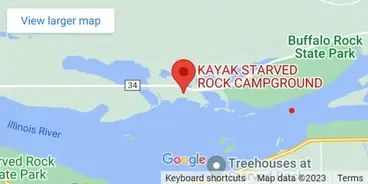
Near Starved Rock State Park, groups can trade a long bus ride for an easy near-Chicago escape with water, bluffs, campfires, and a schedule that still leaves room for the rest of your troop’s plans. The goal is not to turn every scout into an expedition paddler. It is to help them feel capable outdoors, look out for one another, and have a genuinely fun day doing it.
Why Scout Group Kayaking Works So Well
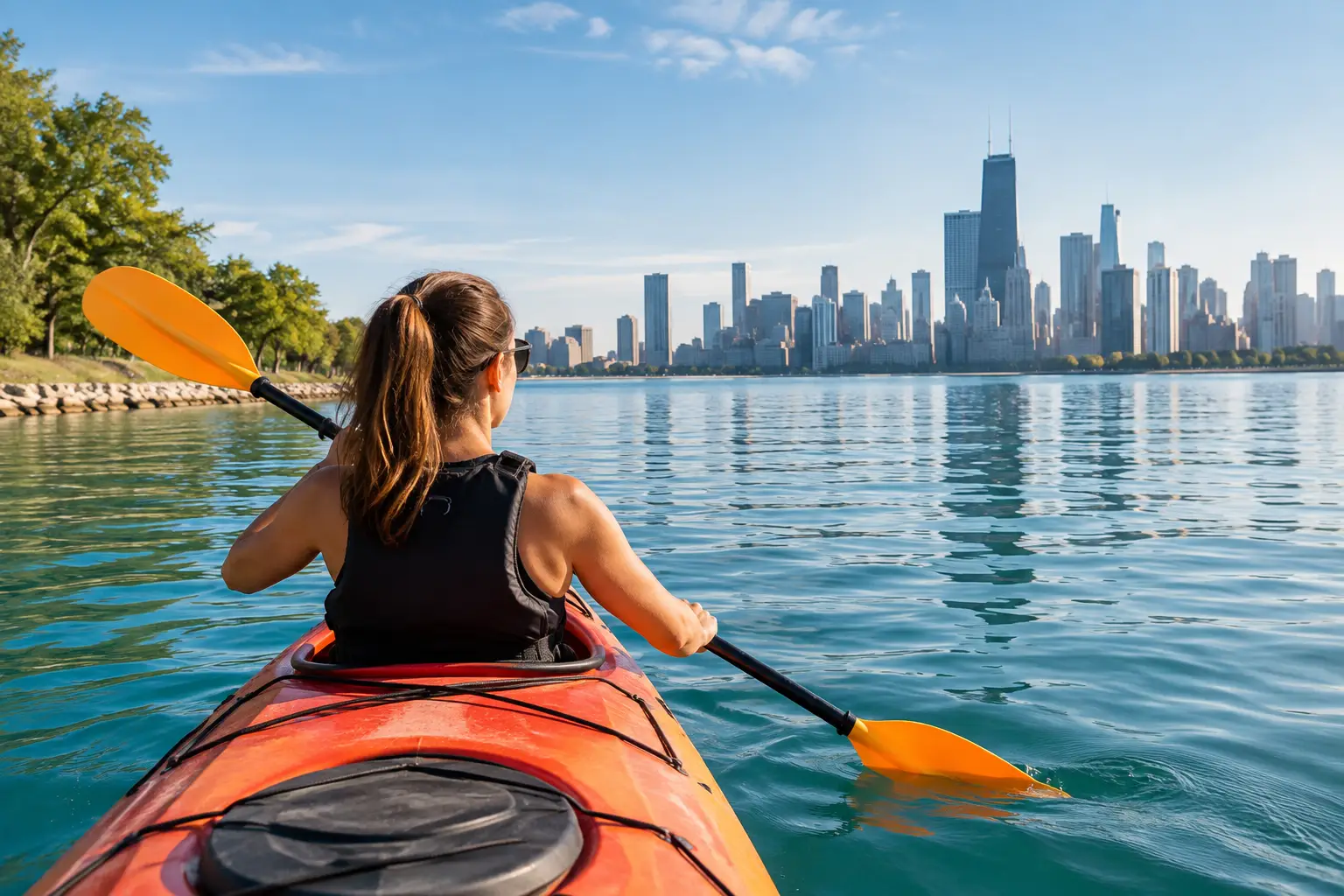
Kayaking gives scouts an immediate role. Each person has a paddle, a boat, a life jacket, and a reason to pay attention. On flatwater, beginners can learn the basics quickly: how to hold a paddle, move forward, turn, stop, stay aware of their surroundings, and communicate with a buddy.
That mix of independence and teamwork is what makes the activity stick. A scout can paddle their own single kayak and feel the pride that comes with it. Or two scouts can share a tandem, where coordination becomes the lesson. Tandems are not always perfectly synchronized at first – that is part of the fun – but they create natural opportunities to practice patience, clear communication, and problem-solving.
For troop leaders, the best setting is one that keeps the adventure approachable. A dam-controlled, flatwater section of the Illinois River offers calmer conditions than a moving river trip, with no current to manage and shallow water in many areas. That means more attention can go toward safe paddling, scenery, and group connection rather than fighting the water or coordinating a shuttle.
Start With a Plan That Fits Your Troop
A strong group paddle begins before anyone touches the water. Start by thinking about ages, confidence levels, group size, transportation, and whether the outing is a day trip or part of a camping weekend. A troop with younger paddlers or many first-timers may get more from a guided experience, while an experienced group with capable adult supervision may prefer a rental session after a thorough orientation.
Guided kayak tours are especially useful for groups that want structure built in. Professional guides can cover paddling technique, water expectations, group spacing, and safety rules before launch, then provide leadership on the water. Leaders still remain responsible for their scouts, but they do not have to be the only adults answering every question from the shoreline to the last paddle stroke.
Timing matters, too. Plan to arrive early enough for check-in, gear fitting, safety instruction, and bathroom breaks. Build in extra time for a large group. A troop of 20 does not move like a couple heading out for a casual paddle, and that is completely normal. Being organized at the start helps everyone get on the water together and protects time for the experience itself.
Choose Boats With Confidence in Mind
Single kayaks give scouts a direct sense of control and are often a great fit for those ready to paddle independently. Tandem kayaks can work well for an adult and youth pairing, a less-confident paddler with a stronger partner, or two scouts who are comfortable sharing the job.
There is no universal answer. A tandem is not automatically easier, because both paddlers need to cooperate. A single is not automatically harder, because one paddler can make every decision. Match the boat to the person, and do not be afraid to mix singles and tandems within the same group.
Safety Is Part of the Adventure
The most fun groups are usually the groups with the clearest expectations. Every paddler should wear a properly fitted personal flotation device, or PFD, at all times on the water. This is not a photo-op accessory or something to stash behind the seat once the group launches. It stays on.
Before the trip, leaders should tell families what scouts need to wear and bring. Quick-drying clothes, secure water shoes or sandals, sunscreen, a refillable water bottle, and weather-appropriate layers are the basics. Cotton can feel chilly when wet, so it is not the best choice on cooler days. A change of clothes for the ride home is always a smart call.
Scouts should also know that kayaking is not a race. Staying with the group, listening to the guide or leader, leaving wildlife alone, and giving other boats space are all part of good river manners. Set a simple buddy system before launch, especially for larger troops. Adults should know which scouts are paired together and should establish an easy signal for regrouping.
Weather deserves respect. A sunny forecast does not guarantee a comfortable day on the water, and thunderstorms can change plans quickly. Build flexibility into the itinerary, listen to on-site staff, and remember that choosing to postpone is good leadership when conditions are not right.
Turn a Day Paddle Into a Camping Weekend
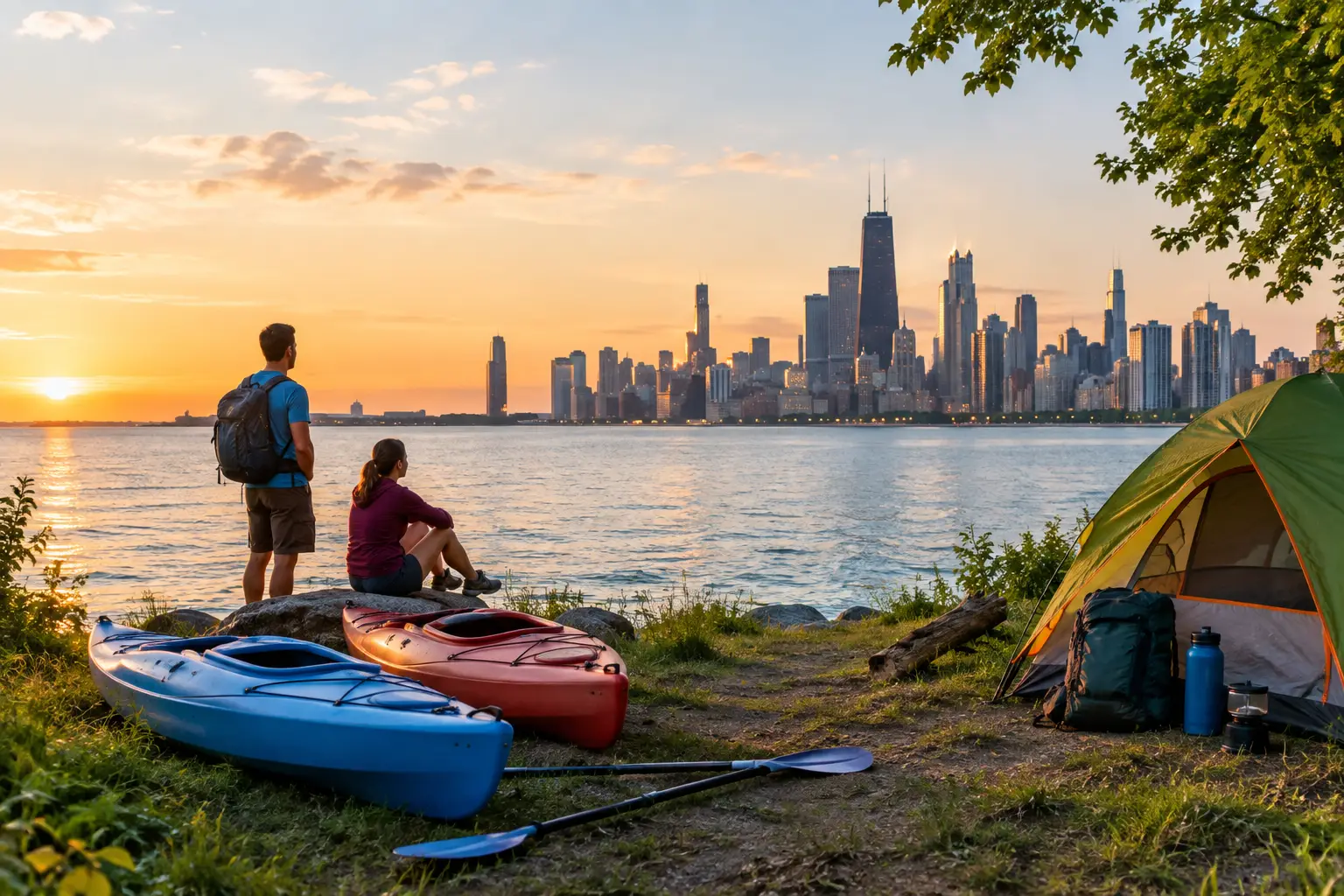
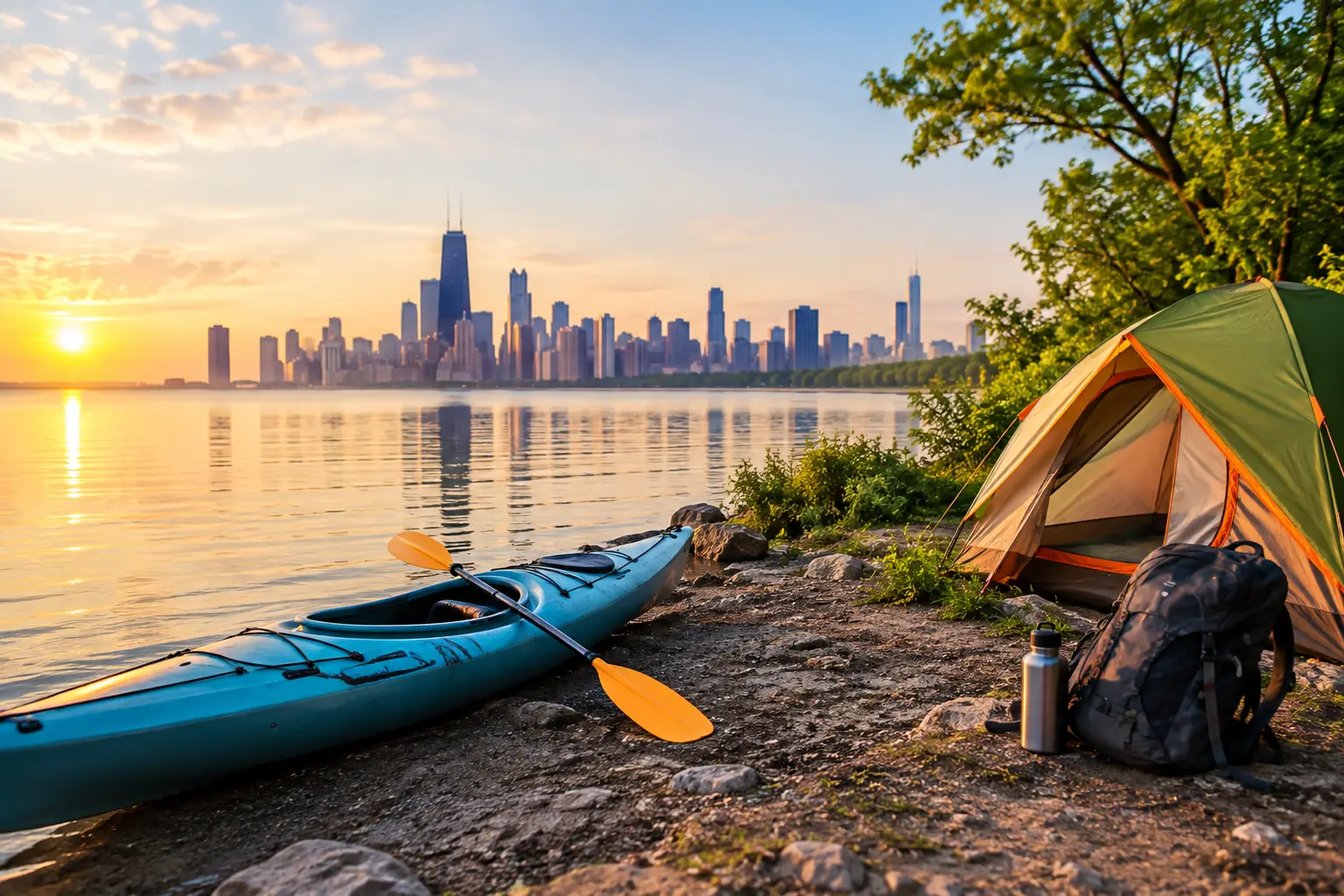
A scout group kayaking trip gets even better when nobody has to rush back to Chicago after the last launch. Waterfront camping near Starved Rock makes it possible to paddle, eat dinner by the fire, swap stories under the stars, and wake up close to the next day’s adventure.
Traditional tent camping is a natural fit for troops that want the full setup-and-stay experience. It gives scouts a chance to practice campsite organization, meal planning, Leave No Trace habits, and the simple art of getting a tent up before sunset. For groups that want a little less setup, pop-up camping options can make arrival easier while keeping the outdoor feel intact.
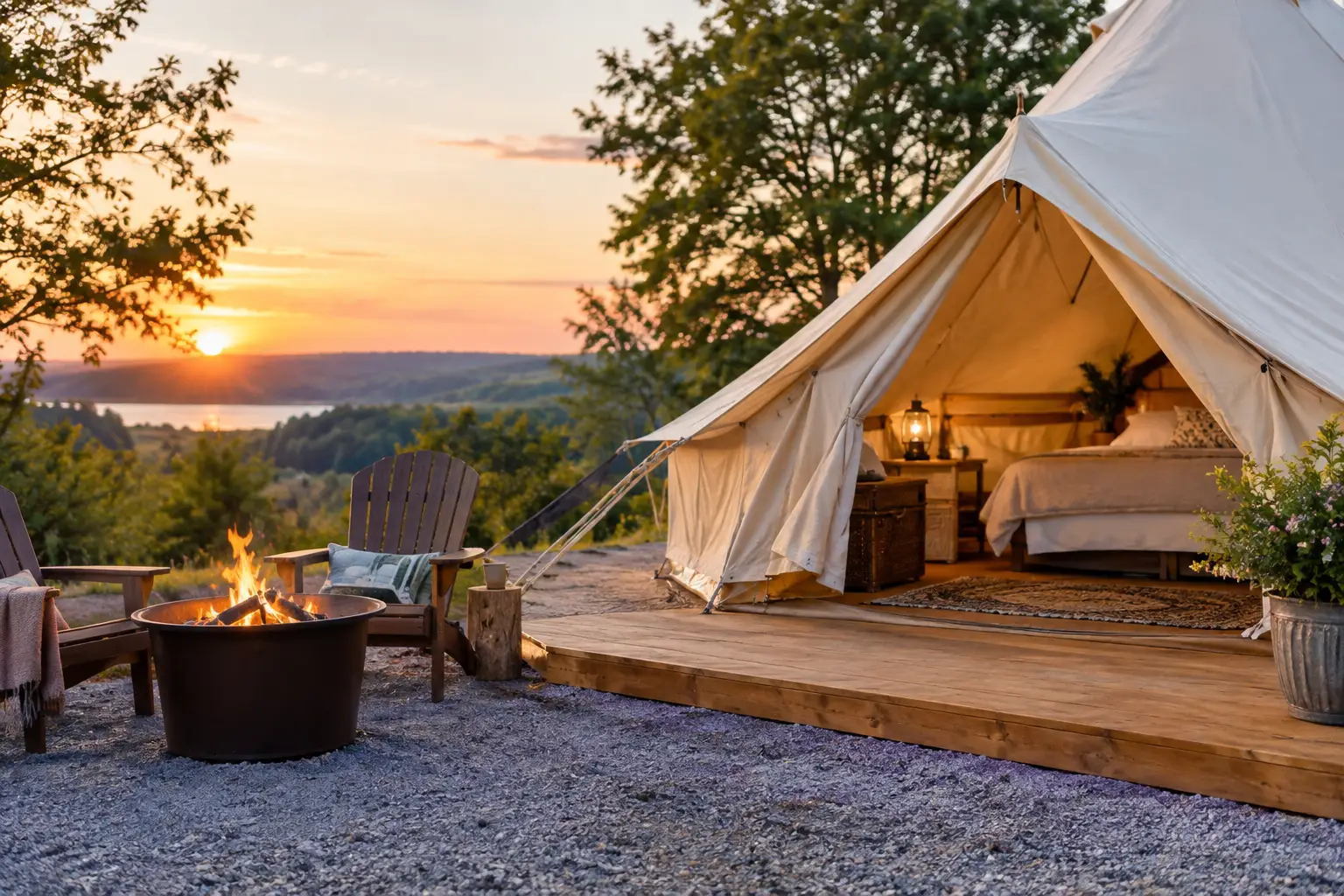
Teardrop camping offers another option for adult leaders or smaller support groups looking for a more comfortable overnight base. It is a practical middle ground: you are still sleeping outdoors by the river, but with a bit more shelter and convenience at the end of a busy day. The right choice depends on your troop’s traditions, equipment, and how much time you want to devote to camp setup.
Camping also creates space for the parts of scouting that do not fit into a two-hour activity window. Plan a simple Dutch oven meal, a campfire program, a nature observation challenge, or a quiet morning walk before packing up. Starved Rock’s sandstone bluffs, wooded trails, and river views make a memorable backdrop without requiring a far-flung expedition.
Make the Trip Easy on Families and Leaders
Clear communication is the difference between a relaxed outing and a chain of last-minute texts. Send families one straightforward packing list, the meeting time, transportation details, a weather plan, and a reminder that PFDs are required on the water. If your group includes scouts with different comfort levels, let parents know that beginner-friendly instruction and stable flatwater conditions are part of the plan.
Food planning deserves the same attention. For a day paddle, pack snacks that can handle a warm car and are easy to eat afterward. For an overnight, keep meals simple enough that scouts can help. Tacos, foil-pack dinners, breakfast sandwiches, and build-your-own trail mix work better for most groups than a menu that needs a camp kitchen and a culinary merit badge.
If families are joining, this area can be a great dog-friendly camping and kayaking getaway as well, provided pets are welcome under the trip’s rules and are managed responsibly. A dog can be a happy camp companion, but a busy scout activity is not the right setting for every pet. Confirm expectations ahead of time, including leash use, cleanup, and whether dogs are suitable for the water.
Give Scouts Ownership of the Experience
Let scouts take on real jobs. Assign paddle buddies, campsite setup teams, meal crews, water refill reminders, and cleanup leads. Ask them to help review the safety briefing, identify landmarks on the map, and lead a short reflection around the campfire.
That ownership turns a nice outing into a confidence-builder. Some scouts will remember the river views. Others will remember finally getting their tandem to move in a straight line. The real win is seeing a group arrive unsure of what kayaking will feel like and leave talking about when they can do it again.
For a near-Chicago adventure with fresh air, real skills, and no need to overcomplicate the plan, Kayak Starved Rock Campground gives scout groups a place to paddle, camp, and make the kind of memories that keep troops coming back outdoors.