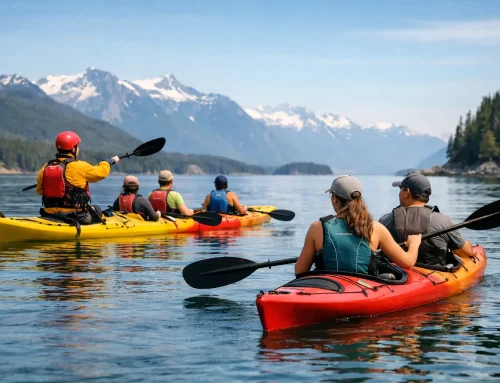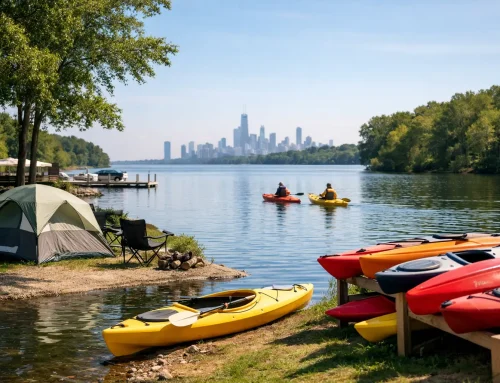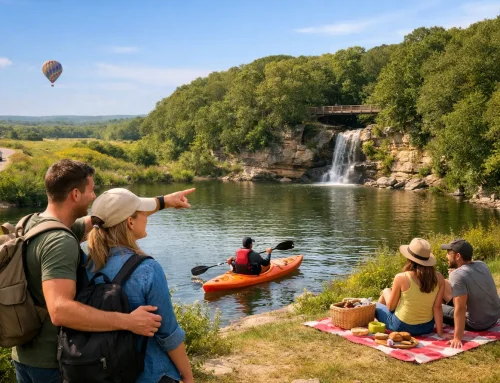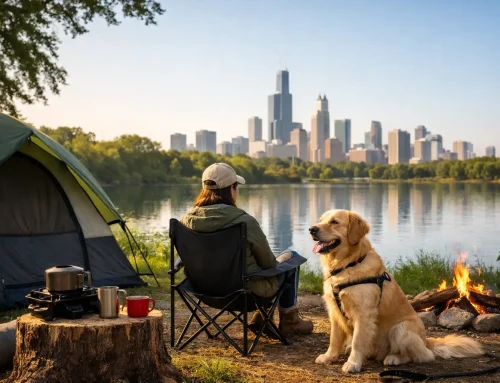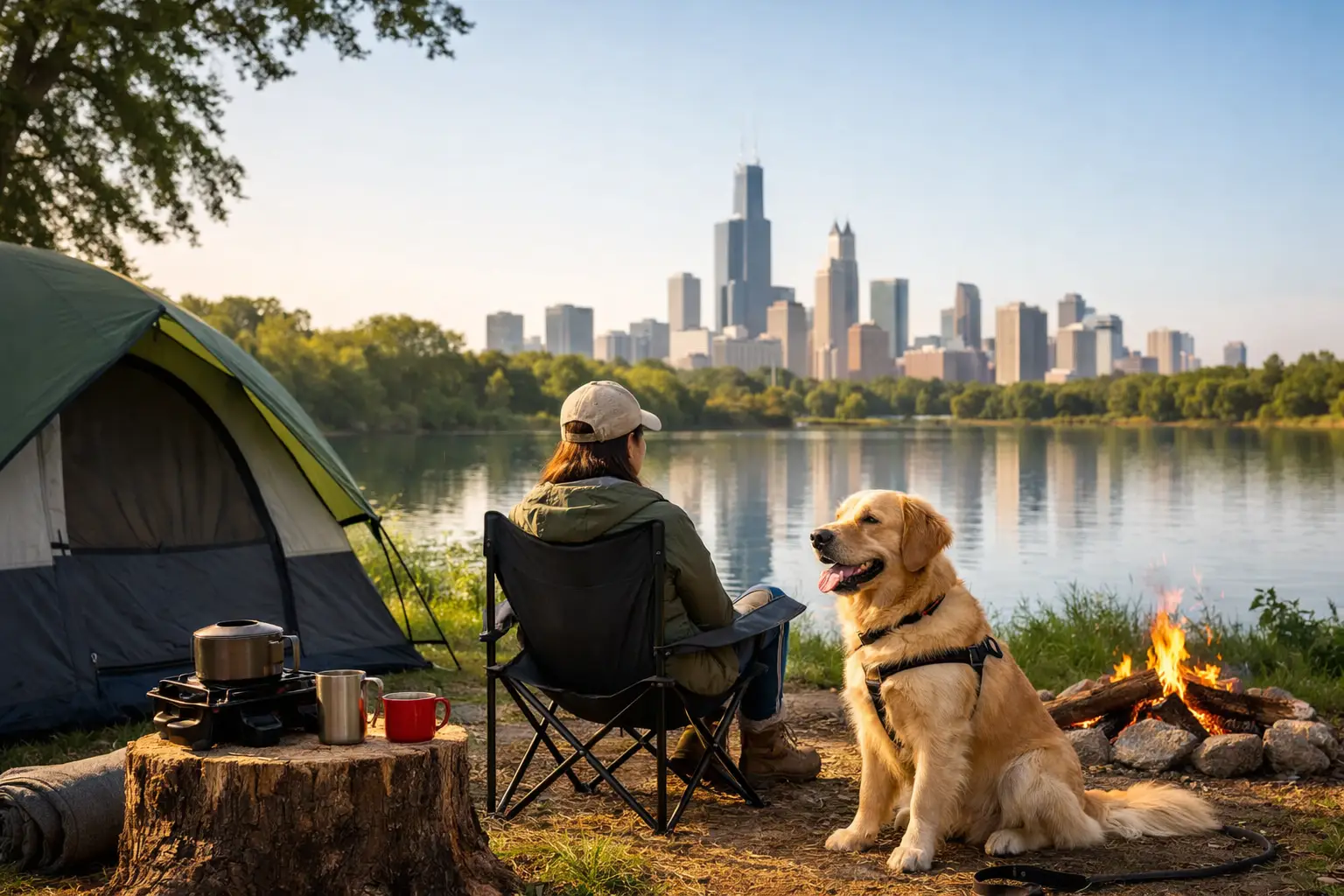
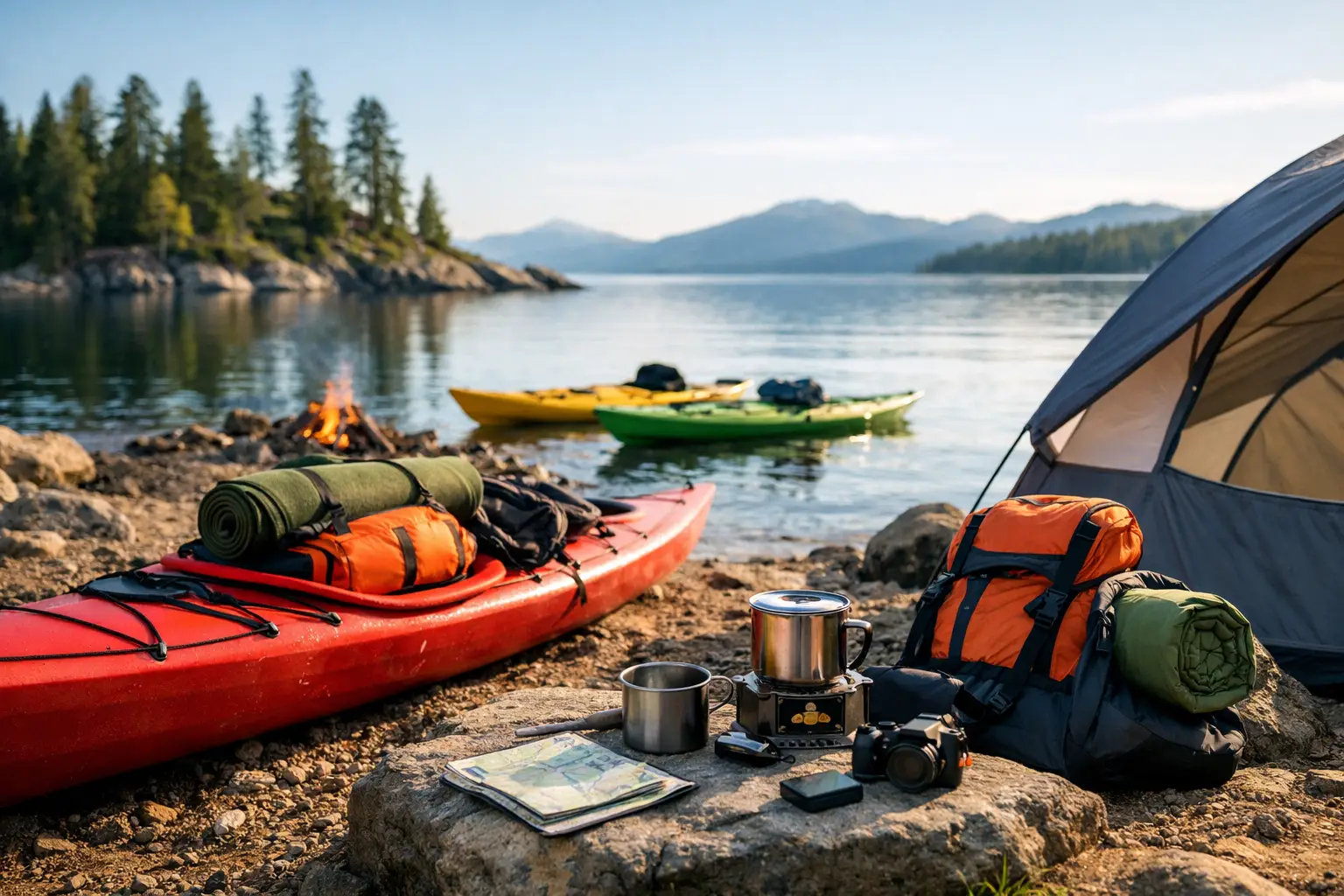
A great kayak camping trip usually goes wrong before anyone touches the water. It happens when one person books a campsite, another assumes kayaks are included, nobody checks launch times, and the family dog shows up with more supplies than the people. If you are figuring out how to plan kayak camping packages, the goal is simple – make the trip feel easy before it starts.
That matters even more for weekend travelers coming from Chicago and Northern Illinois. Most people are not trying to train for an expedition. They want a fun, beginner-friendly escape with good scenery, clear logistics, and enough structure that nobody spends Saturday solving avoidable problems. The best kayak camping package is not the most extreme one. It is the one that fits your group, your comfort level, and your actual energy.
How to plan kayak camping packages without overcomplicating it
Start with the shape of the trip, not the gear list. Are you planning a one-night couple’s getaway, a family weekend, a dog-friendly camping trip, or a group outing with friends? That answer changes everything, from the kind of campsite you book to how much paddling you should build into the day.
For most beginners, the sweet spot is a short paddle paired with waterfront camping. You get the fun of being on the water, then the payoff of staying close to it. That is a very different experience from packing your whole camp into a kayak and committing to a long route. Both can be called kayak camping, but they are not equally beginner-friendly.
If your group includes first-timers, kids, or anyone who likes the outdoors a lot more when there is a bathroom nearby, go for a package that keeps the logistics simple. Flatwater matters. Predictable conditions matter. On-site support matters. The more pieces that are handled in one place, the less time you spend coordinating and the more time you spend actually relaxing.
Choose the right kind of camping setup
This is where people either set themselves up for a great weekend or a very long night.
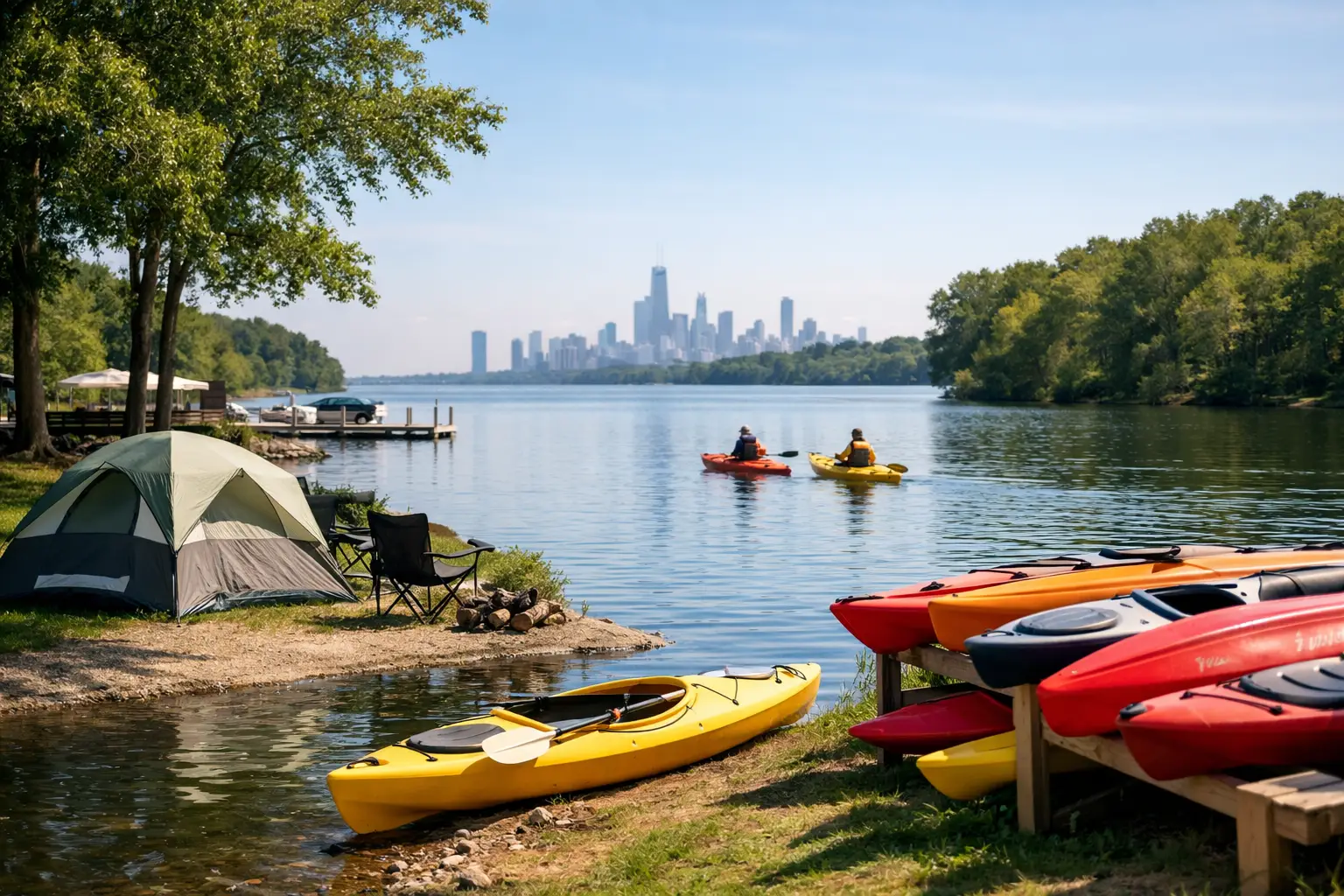
Traditional tent camping is usually the easiest entry point. It keeps the trip affordable and gives you that classic outdoor feel without asking you to own a lot of specialized equipment. If your package includes a tent rental, even better. That lowers the barrier for couples or families who want a near-Chicago camping trip without turning it into a shopping project first.
Pop-up camping works well for guests who want more comfort and less setup stress. You still get the outdoor atmosphere, but with more structure, more weather protection, and a smoother experience for families with kids. It can be especially helpful if you are planning around unpredictable spring or fall weather in Illinois.
Teardrop camping and glamping-style options appeal to a slightly different crowd – people who want the campfire, the river views, and the break from the city, but would also like sleep to be part of the experience. There is no shame in that. For a birthday weekend, an anniversary trip, or a first camping experience, extra comfort often means a better memory.
The right package is not about proving anything. It is about matching the camping style to the people showing up.
Build the trip around the water conditions
Not all kayak camping destinations are beginner-friendly, even when the photos look calm. Water depth, current, and access can change the entire feel of a trip. That is why planning around flatwater is such a smart move for casual paddlers.
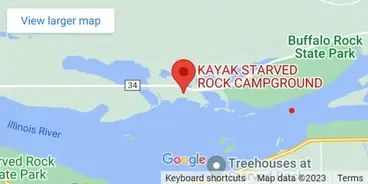
If your group is new to kayaking, choose an area where the water is controlled, shallow, and easy to navigate. You want people learning, laughing, and spotting wildlife – not fighting current or worrying about whether they can make it back. A calm Illinois River setting near Starved Rock gives people a much better chance of enjoying their first paddle.
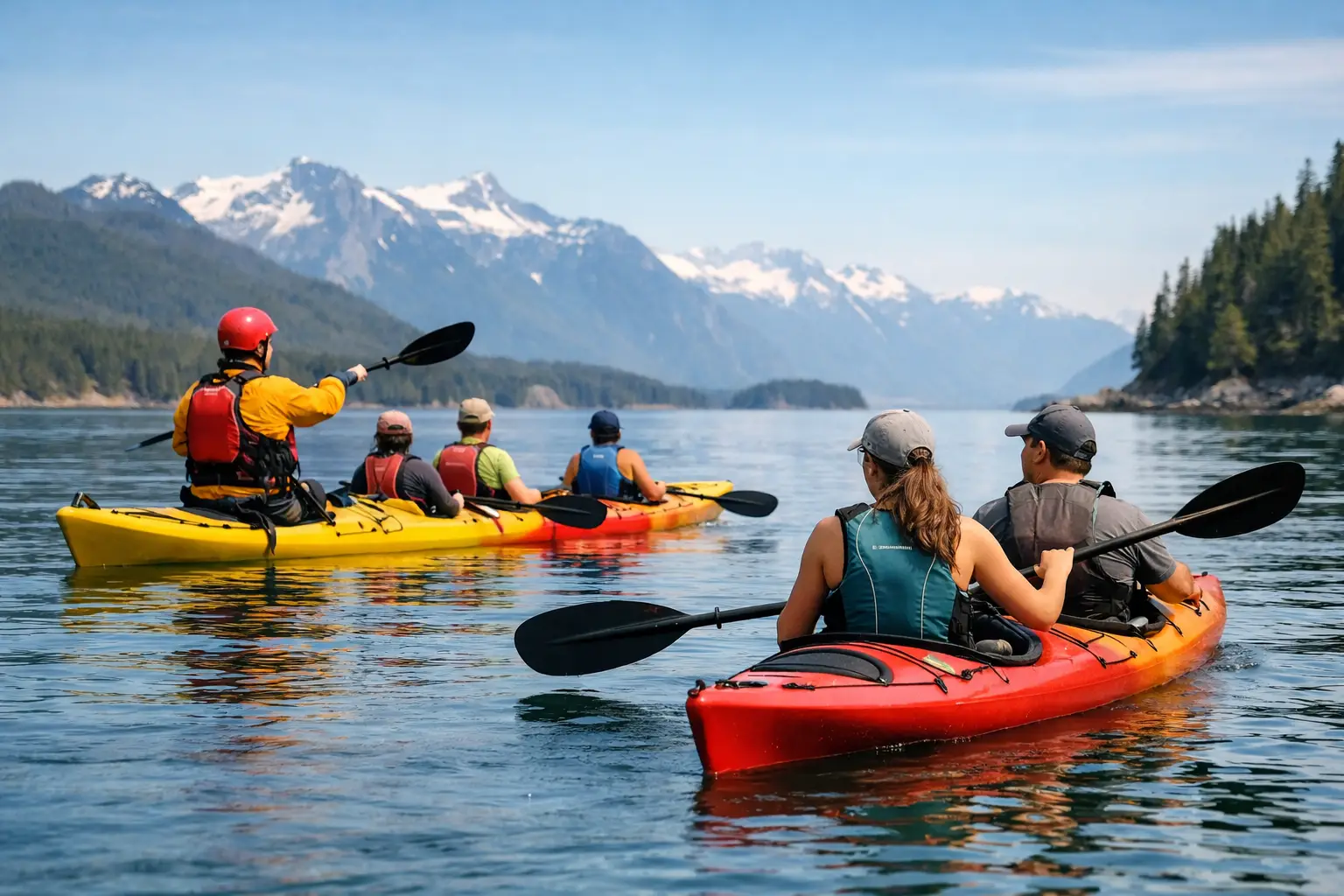
This is also where guided options can make a huge difference. Some groups want the freedom of self-guided rentals. Others are going to enjoy the trip more if a guide handles the on-water leadership and safety instruction. Neither choice is better across the board. It depends on your group’s confidence level and how much hand-holding you want on day one.
Think in terms of package value, not just price
A cheaper trip can become expensive fast if it leaves out the pieces you actually need.
When comparing kayak camping packages, look at what is included. Are kayaks part of the booking, or are they separate? Is safety gear included? Are PFDs required and provided? Does the package cover your campsite only, or does it also include tent rentals, instruction, maps, or launch access? If you are bringing your own boat, is there a launch fee and is that still worth it compared to a bundled rental?
This is where all-in-one packages shine. They reduce the number of decisions, and that usually reduces the stress. For families and first-timers, that convenience is not an extra. It is part of the product.
A slightly higher package price may be the better deal if it saves you from buying gear, hauling equipment, or figuring out the route on your own. For a quick getaway near Chicago, convenience has real value.
Plan around your group’s real pace
One of the most common mistakes in kayak camping is overestimating how much everybody wants to do.
A couple might love an early paddle, a lazy camp afternoon, and sunset by the water. A family with younger kids may need a shorter outing, snack breaks, and a campsite that is easy to return to when attention spans disappear. A social group may want a guided paddle as the anchor activity, with the rest of the weekend built around campfires and hanging out.
That is why flexible planning beats packed itineraries. If the whole point is stress relief, leave some room in the schedule. Book a paddle window that gives you time to check in, get oriented, and settle into camp without rushing. Know the last launch cutoff. Respect it. Safety rules are not there to kill the mood – they are there to make sure the trip stays fun.
Do not ignore the dog question
Dog-friendly camping and kayaking sounds adorable because it is adorable. It is also a real planning category.
If your dog is coming, confirm the site is genuinely dog-friendly and not just technically pet-allowed. There is a difference. You want enough space, a manageable shoreline, and a setup where your dog can settle at camp without making everything harder. Bring water, a leash, waste bags, and whatever helps your dog stay calm in a new environment.
For kayaking, be honest about your dog’s temperament. Some dogs love the water and sit like seasoned river captains. Others become furry chaos the second the boat moves. A short, controlled paddle is usually the smartest test. If your dog is new to boating, this is another reason a calm flatwater environment matters.
Pack for comfort, not survival bragging rights
A good kayak camping package should remove a lot of the guesswork, but you still need to pack smart.
Think in layers, especially in spring and fall. Bring dry clothes for after paddling, shoes that can get wet, sunscreen, bug spray, chargers, medications, and simple food that does not turn meal prep into a side quest. If you are in a tent, a decent sleeping setup changes everything. If you are in a pop-up or teardrop, you can pack a little lighter but should still be ready for cool nights.
And yes, everybody on the water should be wearing a life jacket or PFD. That is not optional style advice. It is the baseline for a safe trip, especially with kids and beginners.
Why location matters more than people think
The best kayak camping package is usually the one that is close enough to feel easy and scenic enough to feel like you got away.
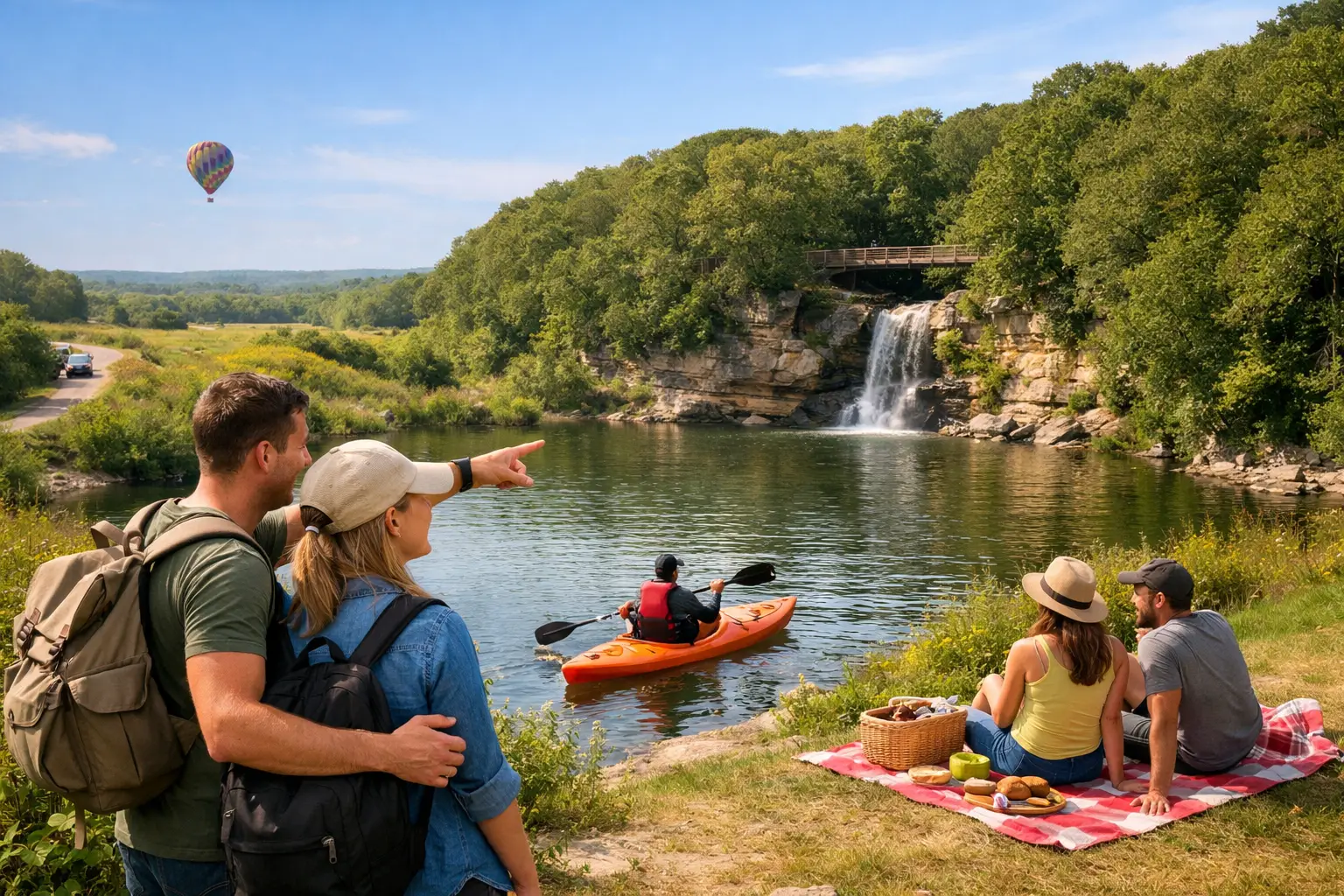
That is why camping near Starved Rock works so well for Chicago-area travelers. You get river access, dramatic natural scenery, and the kind of weekend reset people are actually looking for, without committing to a huge drive or a complicated route. It feels like a real trip, but it is still manageable.
For a lot of guests, that balance is the whole point. They want Illinois river camping that feels outdoorsy, but not overwhelming. They want kayaking that is memorable, but not intimidating. They want camping near Chicago that still gives them a break from city noise, screens, and schedules.
That is exactly the lane where a place like Kayak Starved Rock Campground makes sense. It keeps the adventure part high and the friction part low.
If you are planning your first package, aim for easy wins. Pick the calmer water, the simpler campsite, the package with clear inclusions, and the schedule with breathing room. People remember the feeling of a trip long after they forget the gear details, and the best kayak camping weekends feel relaxed before the first paddle even begins.