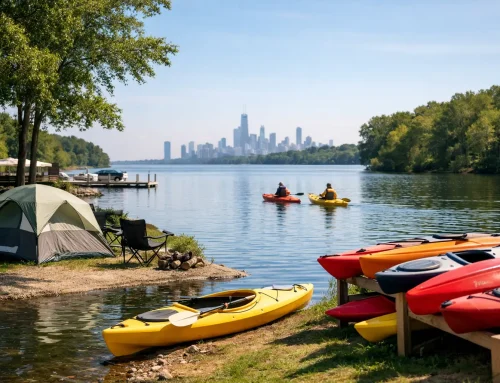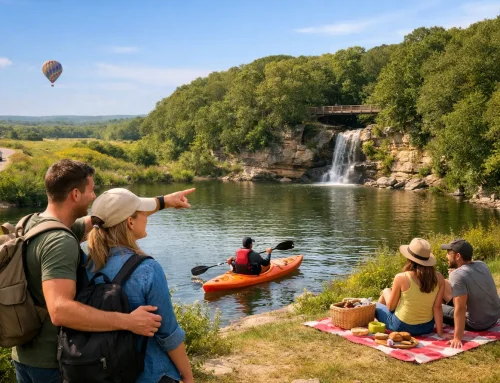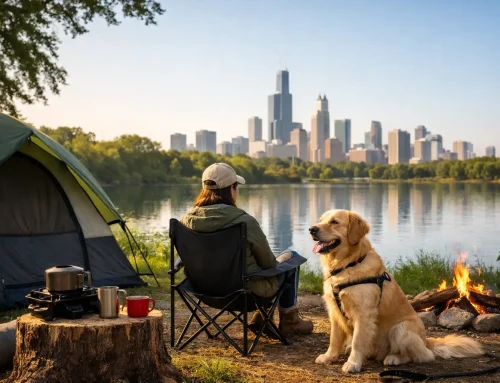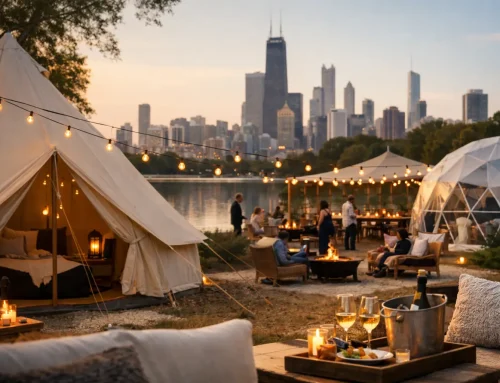
One of the biggest shifts in family adventure travel trends is simple: parents are done spending half the trip managing logistics. They want the fun part faster. That means closer-to-home escapes, easy outdoor activities, and places where first-timers can show up, get clear direction, put on a PFD, and actually relax.
For families around Chicago and Northern Illinois, that change matters. Adventure used to sound like a major production – long drives, complicated gear lists, and at least one family member quietly wondering if they were about to have a miserable time. Now the winning trips are shorter, smoother, and built for real life. Kids have short attention spans. Parents have packed schedules. Dogs are part of the crew. If an outdoor getaway feels easy to book and easy to enjoy, it moves to the top of the list.
Why family adventure travel trends are getting closer to home
The old version of family travel often centered on one big annual trip. The newer version looks different. More families are trading one expensive, high-pressure vacation for a few smaller outdoor getaways spread across the season.
That is good news for destinations within a 90-minute drive of the city. A weekend of waterfront camping, a guided paddle, or a one-day nature reset feels doable in a way that a full travel production does not. Families can leave after work, skip the airport chaos, and still come home with that “we actually did something” feeling.
There is also less pressure when the trip is nearby. If weather shifts or a toddler decides sleep is optional, the whole weekend is not ruined. A close-to-home adventure offers flexibility, and for families, flexibility is not a bonus. It is often the deciding factor.
Trend 1: Beginner-friendly adventure is winning
Families are not chasing extreme. They are looking for confidence-building experiences that feel adventurous without being overwhelming.
That is why flatwater paddling, short hikes, easy campground stays, and guided outings are growing in appeal. Parents want activities that make their kids feel brave, not scared. They want the photo of everyone smiling in the kayak, not the memory of trying to talk somebody through a panic on rough water.
This is where setup matters. Calm water, shallow conditions, clear safety instruction, and a guided option can turn “maybe someday” into “let’s book Saturday.” It also opens the door for mixed-experience groups, which is how a lot of family trips actually look. One parent may love the outdoors, one may be brand new, one kid wants nonstop action, and another just wants snacks and a cool rock.
A beginner-friendly adventure gives everyone a win.
Trend 2: Short weekend trips beat packed itineraries
A lot of families have learned the hard way that overplanning can kill the mood. If every hour is scheduled, the trip starts to feel like work in a nicer setting.
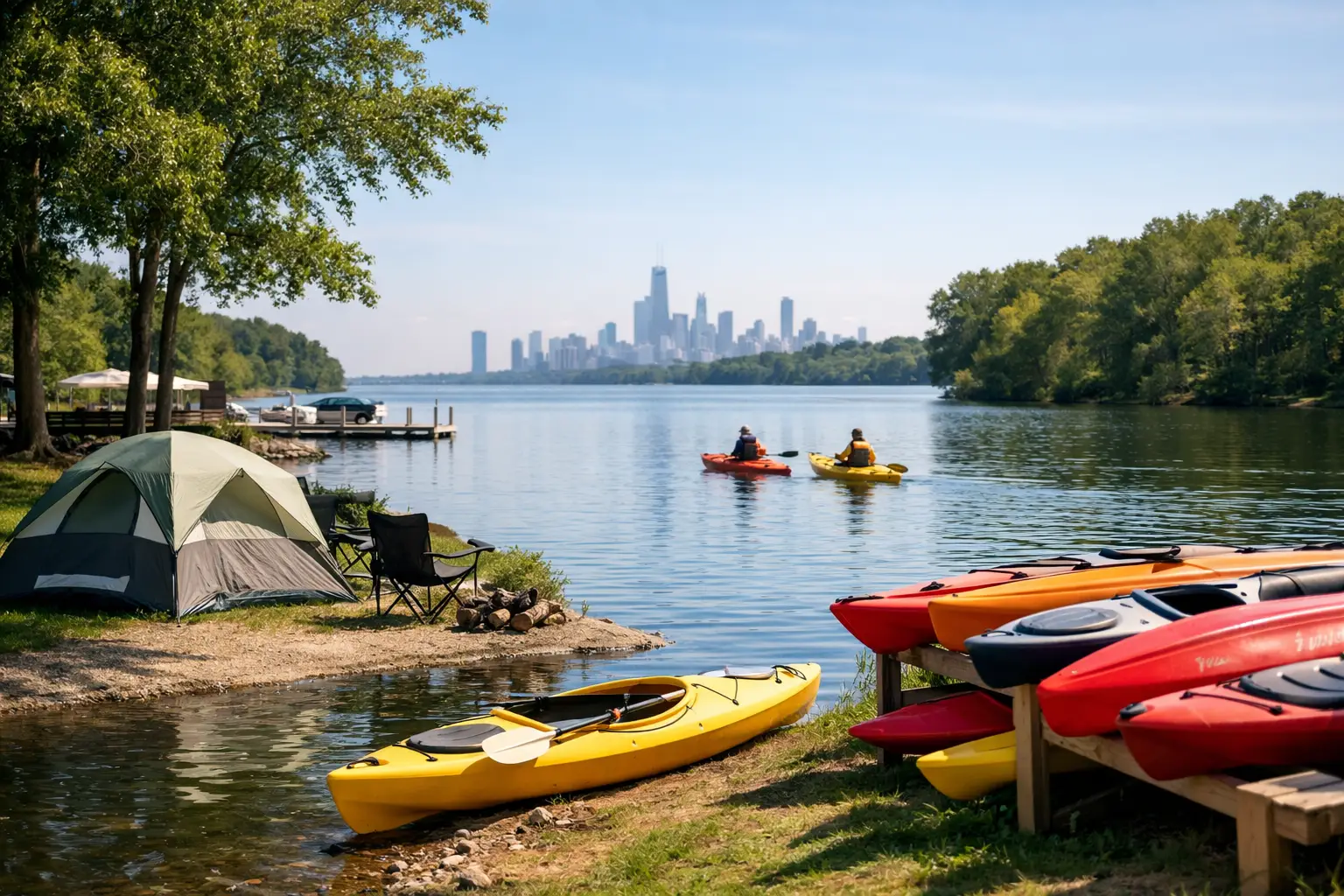
One of the strongest family adventure travel trends right now is the rise of the simple weekend. Think one main activity, one comfortable basecamp, and enough unstructured time to let the day breathe. That could mean kayaking in the morning, hanging out at a waterfront campsite in the afternoon, and calling it a great day without trying to cram in five more stops.
This is especially true for families with younger kids. You do not need a bucket-list itinerary. You need a trip that leaves room for naps, snacks, and random moments that become the real highlight. The campsite frog chorus. The dog refusing to leave the shoreline. The kid who starts the day nervous and ends it asking to paddle again.
Trend 3: Multi-use outdoor destinations are getting the bookings
Families love options, but not confusion. The sweet spot is a place where multiple experiences are built into one location.
That is why destinations that combine paddling, camping, beginner support, and easy access to nearby scenery are standing out. Instead of driving to one place to kayak, another to camp, and another to explore, families want one base that keeps the weekend simple. Less time in the car, more time outside.
For many households, convenience is part of the adventure now. That might not sound romantic, but it is real. A campground where you can stay in a tent, pop-up, or teardrop setup, walk to the water, and head out for a paddle without adding a shuttle or a complicated launch plan is exactly the kind of practical magic families remember.
Trend 4: Dog-friendly trips are no longer a niche
If the family dog is staying home, a lot of families are staying home too.
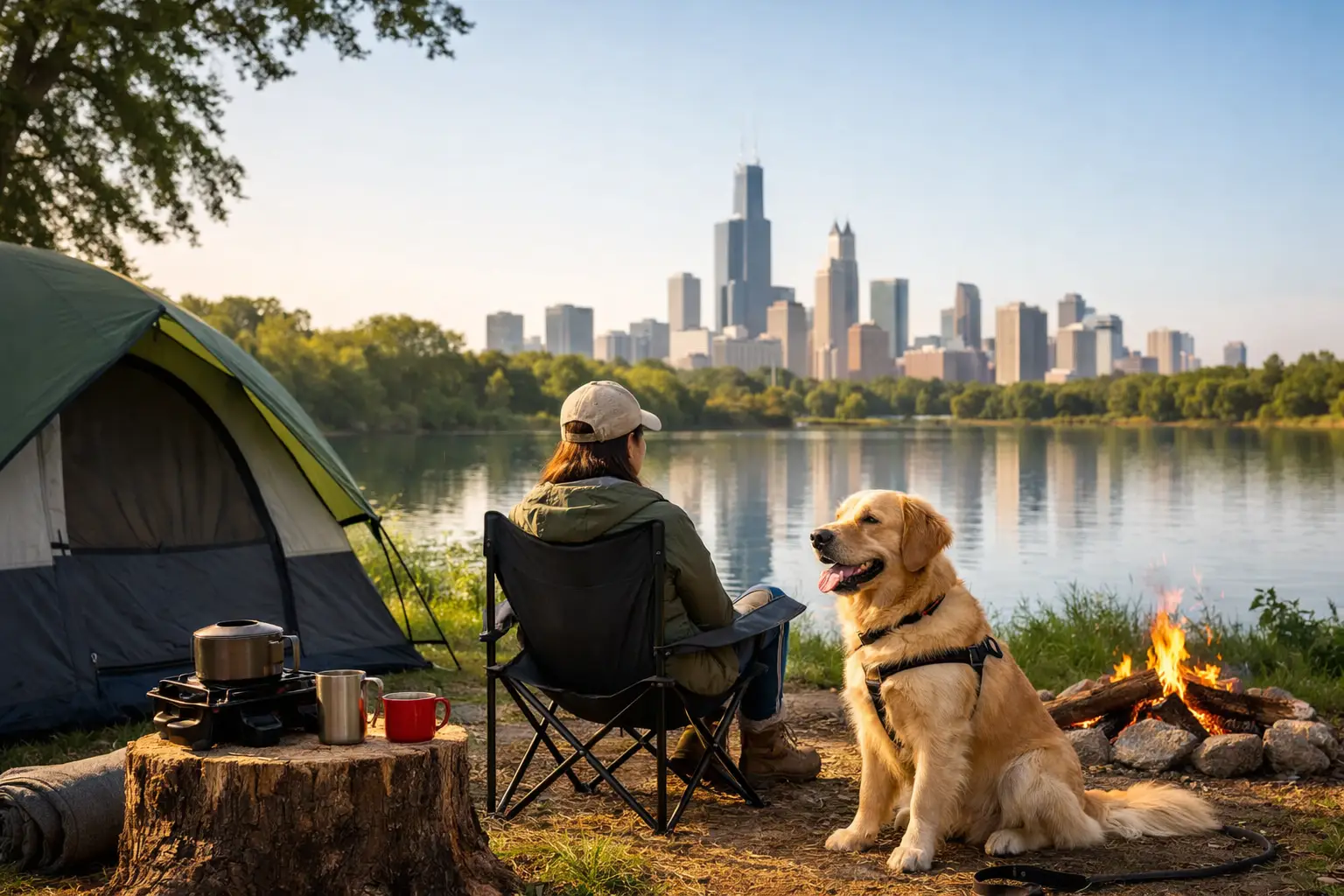
Pet-friendly travel has moved from a nice extra to a real booking driver. Families want outdoor trips where bringing the dog feels normal, not like they are negotiating an exception. That is especially true for short getaways near Chicago, where pet owners are looking for low-friction ways to get everyone out of the house.
The trade-off, of course, is that dog-friendly only works when the environment is manageable. Families need room, clear rules, and activities that are realistic with a pet in tow. A calm outdoor setting works better than a packed attraction or a highly technical trip. If the experience is easy for beginners and comfortable for dogs, it hits a very useful middle ground.
Trend 5: Parents want nature without the roughing-it part
Adventure is in. Misery is out.
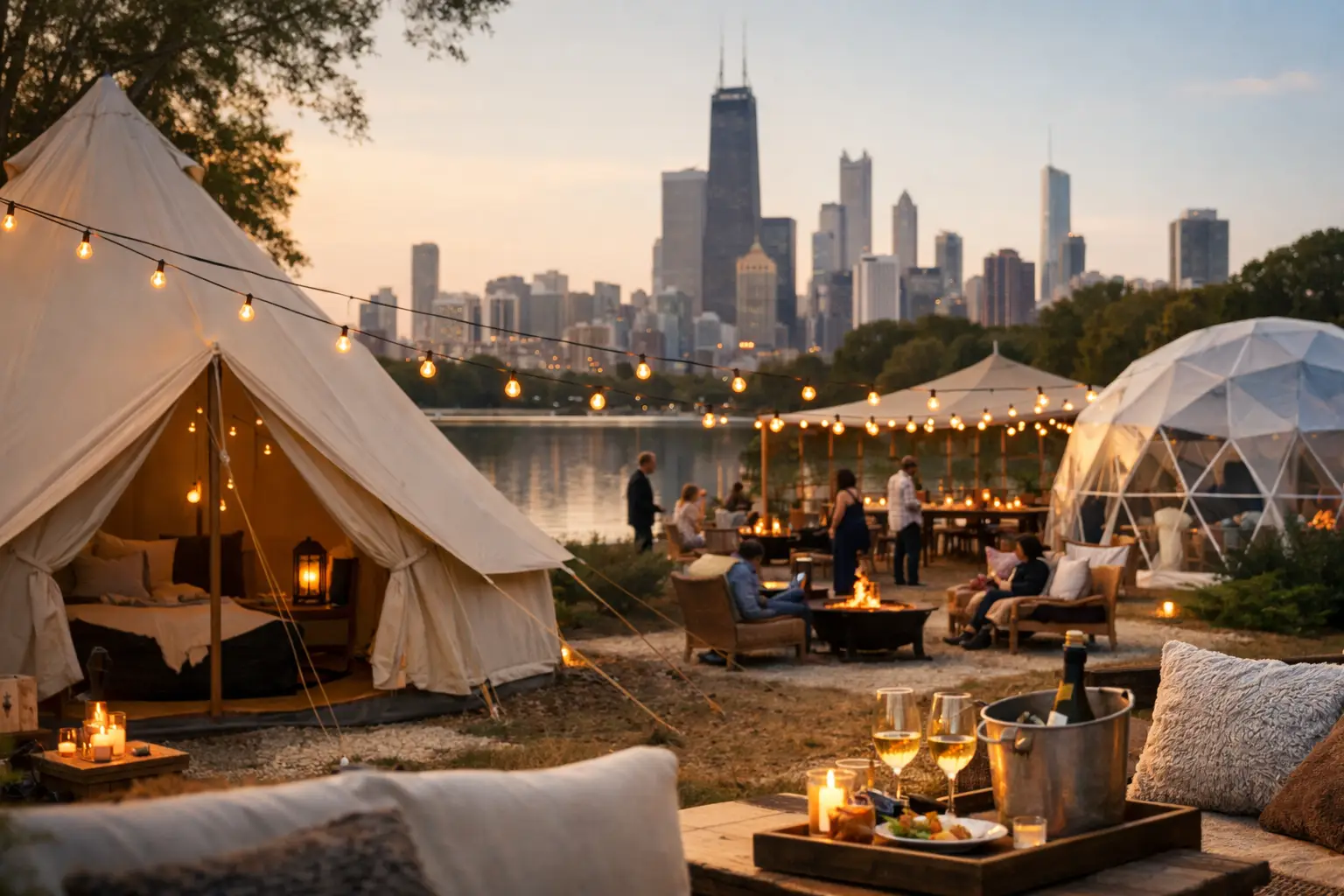
That does not mean families want everything polished to the point where it feels fake. It means they want the outdoors with fewer barriers. Tent rentals, glamping-style touches, easier campground setups, clean access points, and straightforward check-in all matter more than they used to.
This is one reason waterfront camping packages are getting attention. They let families try the experience without buying a garage full of gear first. Some want the classic tent weekend. Others prefer a pop-up or teardrop setup that feels a little more comfortable, especially with small kids. Neither option is cheating. It is just choosing the version that gets your family outside more often.
For first-timers, reducing setup stress can make the whole trip better. If parents are not spending hours wrestling poles, searching for missing gear, and wondering what they forgot, they can actually enjoy the campfire and the view.
Trend 6: Guided experiences are becoming a family shortcut
For years, some travelers assumed guided meant advanced or expensive. Now more families see guided outings for what they often are: easier.
A good guide removes uncertainty. Families do not have to guess where to go, how to launch, what basic paddling instructions they need, or whether the kids can handle it. That support is a big reason guided kayaking is resonating with beginners. It keeps the experience fun while still making safety expectations clear.
There is a personality side to this too. Families remember guides who make nervous kids laugh, explain things without jargon, and keep the outing moving at a comfortable pace. The best guided trips feel organized without feeling stiff. You get structure, but you still get your own adventure.
For a lot of parents, that is money well spent. Less guesswork. More confidence. Better chance everyone wants to do it again.
Trend 7: Families want stories, not just activities
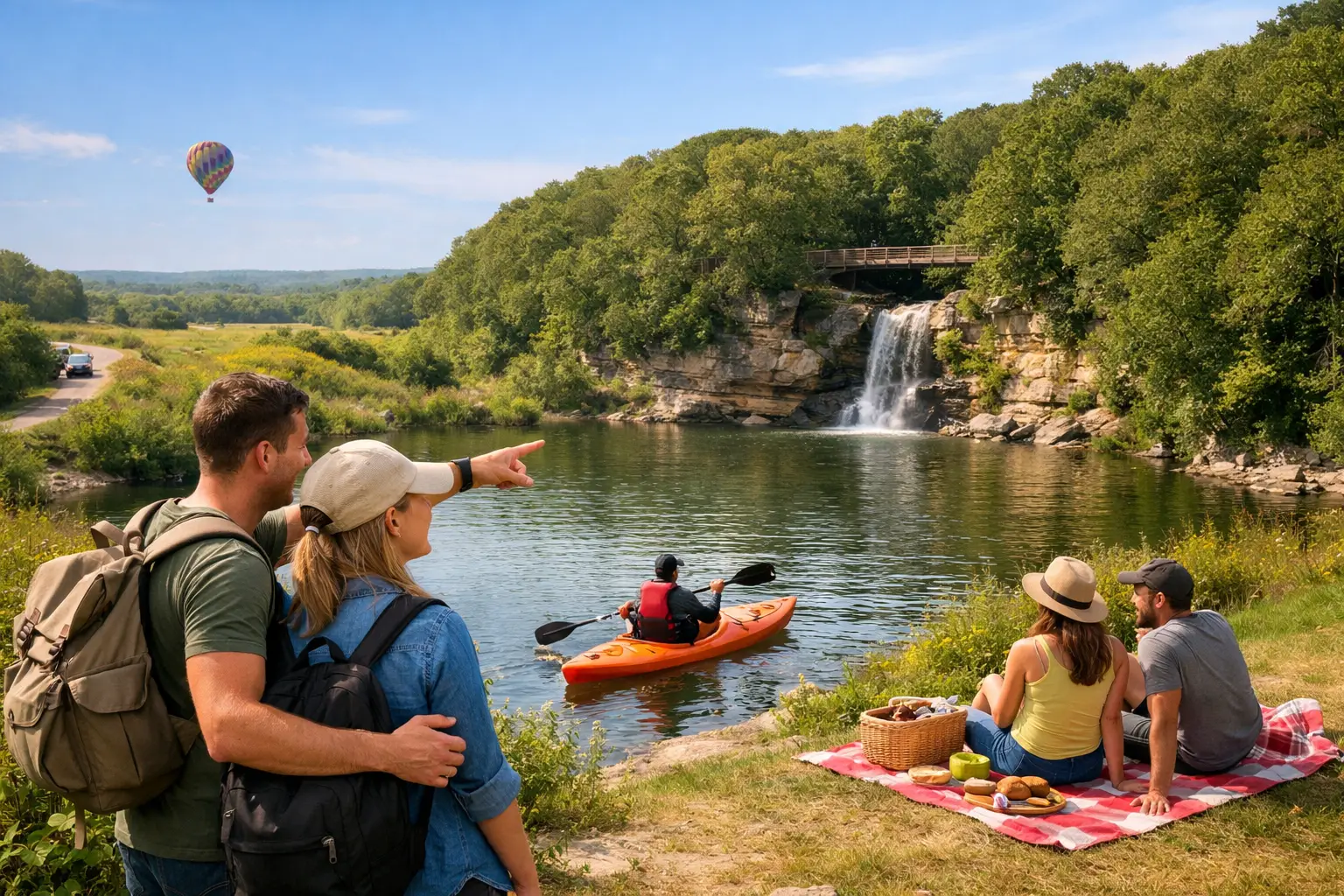
A kayak rental by itself is nice. A trip where kids paddle past sandstone bluffs, spot wildlife, camp by the water, and go home talking about their “real adventure” lands differently.
That is where experience design matters. Families are increasingly choosing trips that feel memorable, not just available. The setting counts. So does the rhythm of the day. A paddle-and-camp weekend near Starved Rock works because it gives families a story with very little friction. They get nature, movement, a little independence, and a lot of shared time without needing expert skills.
This is also why themed events and special outdoor weekends are gaining traction. They give returning families a fresh reason to come back and give new visitors a clearer picture of what the trip will feel like. The more an experience helps people imagine themselves actually enjoying it, the easier it is to book.
What these family adventure travel trends mean for real trip planning
If you are planning for your crew, the big takeaway is not that every family wants the same thing. It is that most families want adventure that feels accessible. Close enough for a quick getaway. Structured enough to feel safe. Flexible enough to stay fun.
That usually means choosing activities with a low learning curve, destinations with beginner support, and lodging options that match your comfort level. A family with a first-time paddler and a dog may want a calmer weekend with waterfront camping and one guided outing. A family with older kids may want more independence and a full day on the water. It depends on your group, but the direction is clear: easier planning is no longer separate from a great outdoor experience. It is part of it.
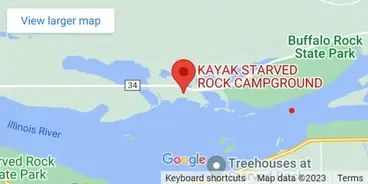
That is why places like Kayak Starved Rock Campground fit this moment so well. Families can book a near-Chicago escape that blends flatwater kayaking, waterfront camping, beginner-friendly conditions, and the kind of all-in-one setup that keeps the weekend feeling fun instead of frantic.
The best family trips do not need to be bigger. They need to be easier to say yes to, and good enough that everyone wants to come back.