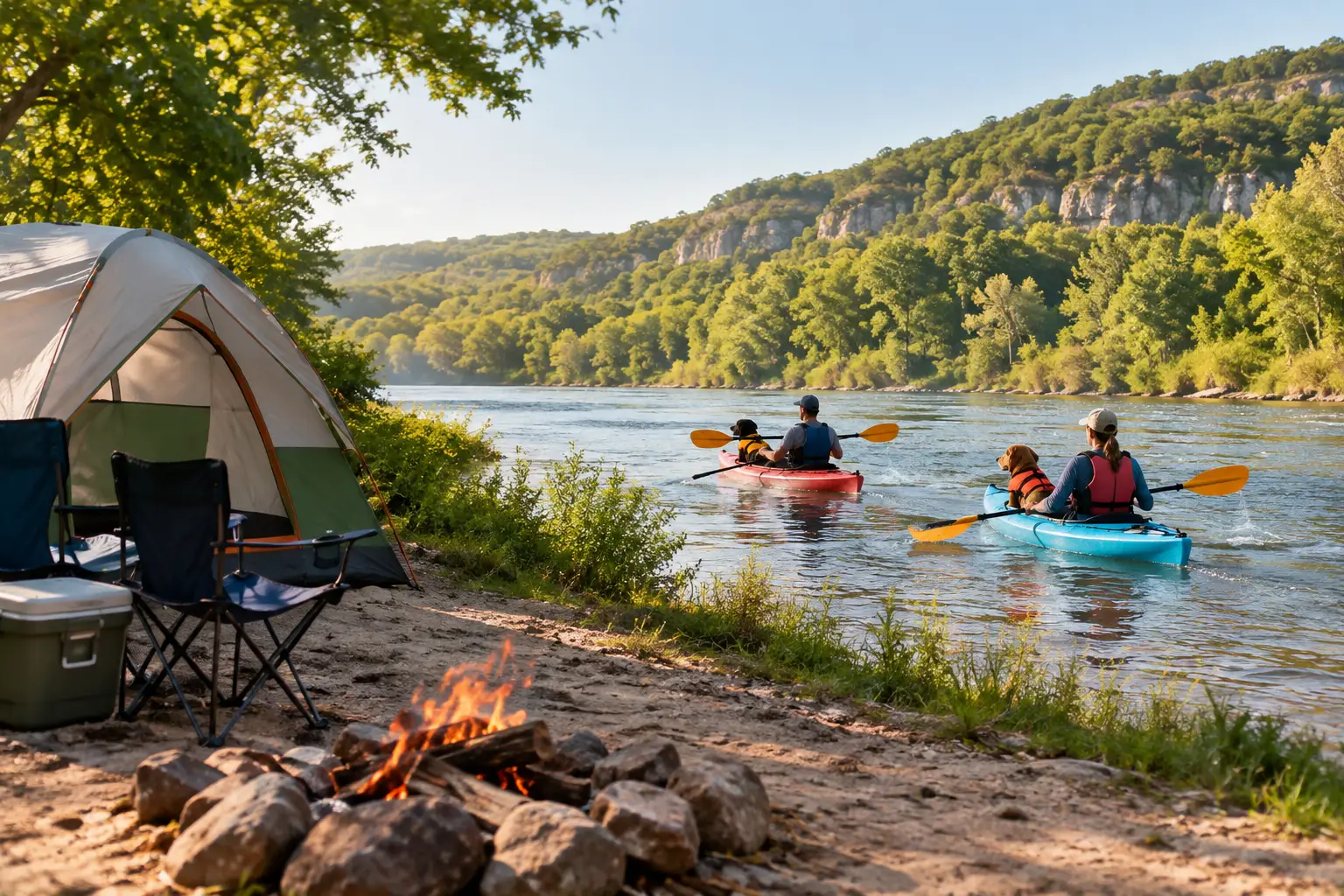

Most corporate teambuilding fails for a simple reason – it feels like work wearing a nametag. People show up polite, make small talk over coffee, do the assigned icebreaker, and head home with the same group dynamics they started with.
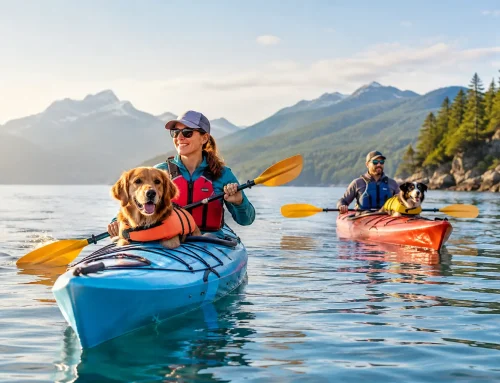
Outdoor corporate teambuilding changes that fast. Put a team on the water, give them a shared experience, a little fresh air, and a break from screens, and people start acting like real humans again. They relax. They laugh. They help each other. That is usually where the good stuff starts.
For companies near Chicago, the best team event is not the one with the biggest production budget. It is the one people actually want to attend, can do without stress, and remember afterward for the right reasons.
Why corporate teambuilding works better outside
A conference room keeps everyone in their usual role. The manager still feels like the manager. The quiet employee still stays quiet. The team that struggles with communication often keeps struggling because the setting never changes.
Outside, the script loosens up. A kayaking event, a waterfront campfire, or even a simple guided paddle gives people a shared task that is not tied to quarterly goals. That matters more than most planners expect. Teams connect faster when they are doing something together instead of talking about doing something together.
There is also a practical advantage. Outdoor activities naturally create low-pressure moments for conversation. People chat while getting fitted for gear, while launching, while paddling side by side, and while hanging out afterward. Those moments feel unforced, which is why they tend to be more useful than formal networking exercises.
That does not mean every outdoor event is automatically good corporate teambuilding. If the activity feels intimidating, too athletic, or too loosely organized, it can backfire. The sweet spot is something active enough to be fun but beginner-friendly enough that nobody spends the day worried about looking silly.
The best corporate teambuilding is easy to say yes to
This is where a lot of planners overcomplicate things. They assume a successful outing has to be extreme, exclusive, or packed with custom programming. Usually, the opposite is true.
The strongest team events remove friction. The drive is reasonable. The instructions are clear. The activity does not require prior experience. The schedule feels structured without being rigid. And nobody has to spend the whole day pretending they love obstacle courses.
For Chicago-area teams, outdoor experiences near Starved Rock make sense because they feel like a real break without turning into a major travel production. People can get out of the city, see something completely different, and still make it back without losing an entire weekend.
That is a big deal for attendance. If employees feel like the event is easy, scenic, and actually enjoyable, they are much more likely to come in with a good attitude. No team-building strategy can fix a bad mood that starts in the parking lot.
Why kayaking fits corporate teambuilding so well
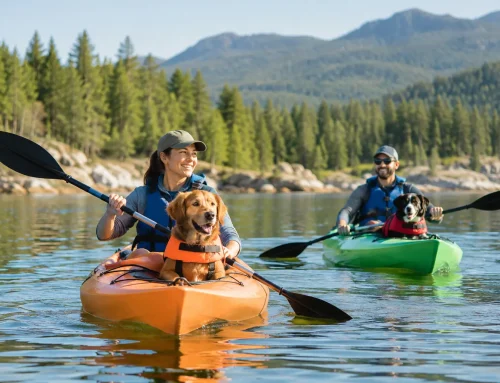
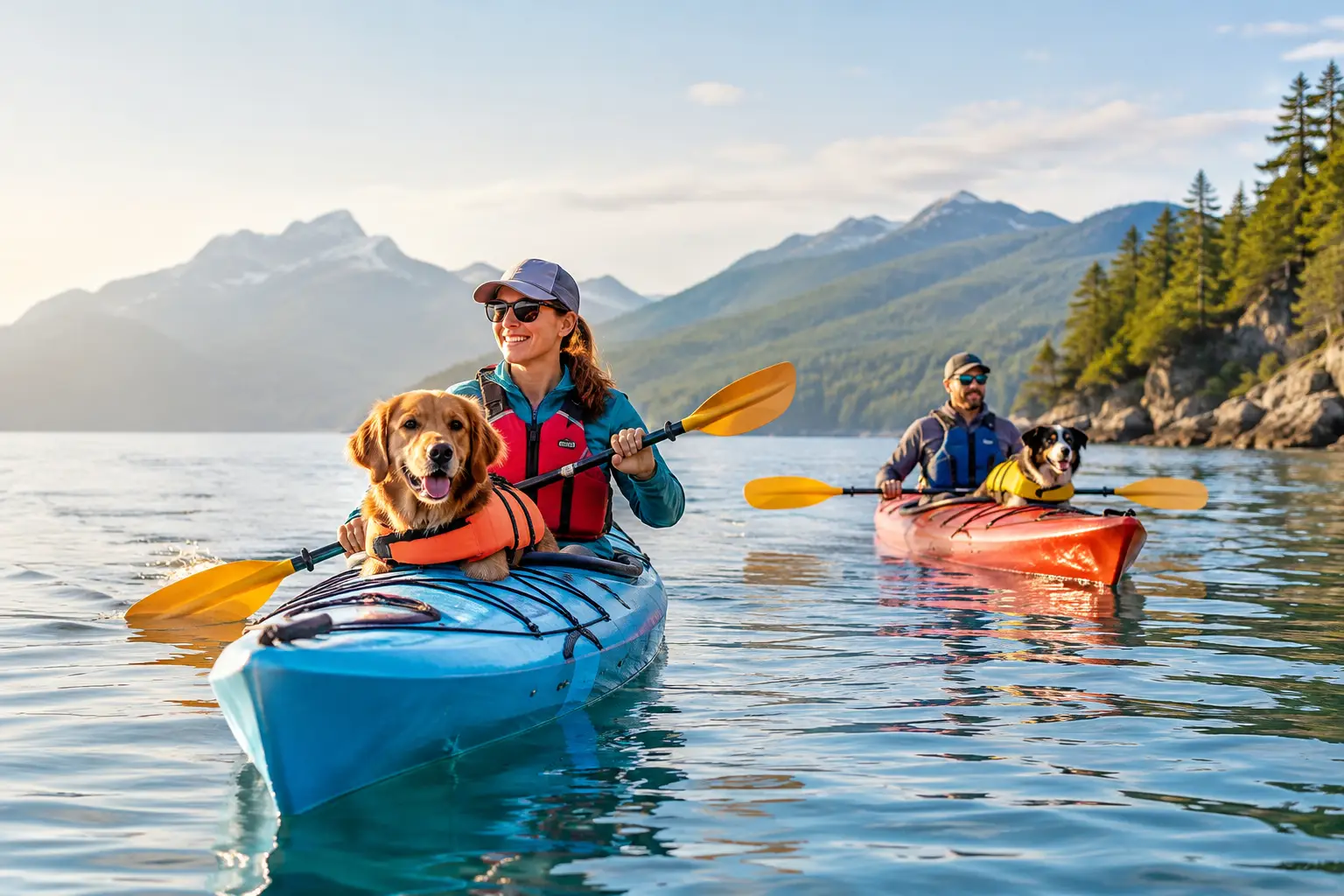
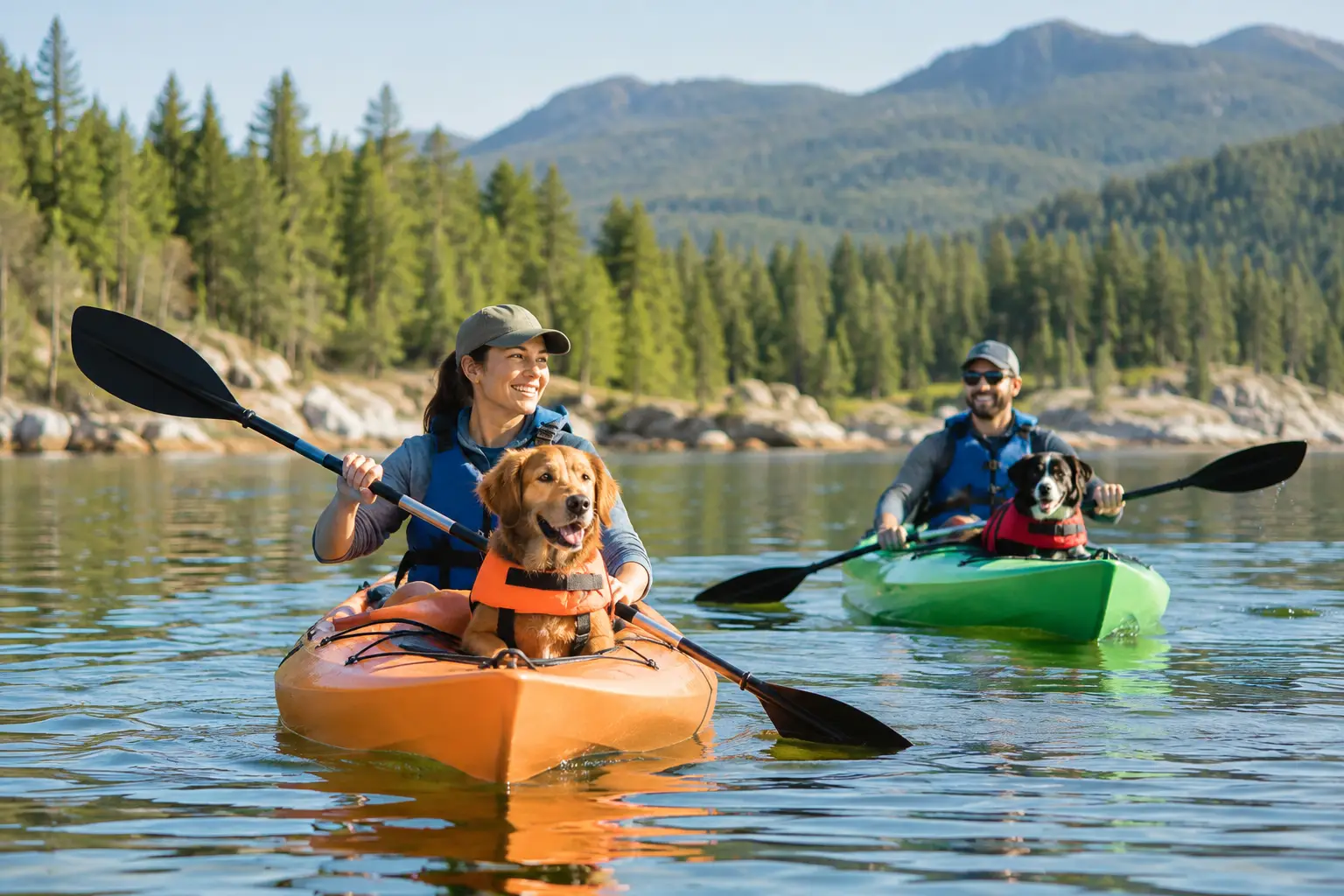
Kayaking hits a rare balance. It feels like an adventure, but it is still approachable for first-timers when the environment is calm and the setup is guided well. People get just enough novelty to be excited, without the kind of pressure that makes beginners shut down.
A flatwater setting is especially useful for mixed groups. Some employees will be outdoorsy. Some will be there because attendance is strongly encouraged. Some may not have done anything like this before. Calm, controlled water levels and clear safety instruction make the difference between a fun shared experience and a day spent managing anxiety.
That is also why guided paddles tend to outperform totally unstructured rentals for company groups. Guidance keeps the event moving, gives nervous first-timers confidence, and takes pressure off the office organizer. The planner should not have to become the safety captain, route leader, and morale officer all at once.
At the same time, kayaking avoids the awkwardness of many classic corporate activities. People are not standing in a circle inventing fun. They are doing something real. That creates natural wins throughout the outing, from helping a coworker launch cleanly to spotting wildlife to finishing the route together.
What teams actually get out of it
The obvious answer is bonding, but that word can get a little fluffy. The better question is what changes after a good outing.
People usually come back with more context for each other. They have shared stories. They have seen who stays calm, who is encouraging, who is funny under pressure, and who quietly helps without making a show of it. That kind of insight carries into work more than most trust-fall exercises ever will.
A good corporate teambuilding event also gives employees a sense that leadership made a smart choice with their time. That matters. When a company picks something fun, organized, and respectful of different comfort levels, people notice. It signals that the event was designed for actual humans, not just for a slide deck about culture.
There is a wellness angle too, even if you do not pitch it that way. Time outside lowers the noise level in people’s heads. Water helps. So does being away from notifications for a few hours. You do not need to turn the day into a mindfulness seminar to get the benefit.
How to choose the right corporate teambuilding event
Start with your group, not the trend. A ten-person leadership team has different needs than a sixty-person office celebrating the end of a busy season. A sales team may want more energy and social time. A mixed department group may need something more beginner-friendly and less competitive.
Then think about comfort level. This is the part companies sometimes skip. If your event only works for athletic employees, it is not a strong team event. The goal is broad participation. Activities should feel accessible to people who have never held a paddle, camped overnight, or planned an outdoor day trip on their own.
Structure matters too. The best events have enough built-in guidance to keep things easy, but enough flexibility to still feel relaxed. That could mean safety instruction, route planning, gear included, and a clear launch process, with free time for conversation before or after. People want simplicity, not chaos.
Food, timing, and logistics also deserve more attention than they usually get. If the launch time is confusing, if the drive is too long, or if nobody knows what to bring, the mood drops quickly. Good planning feels invisible because everything just works.
Adding camping can turn a team outing into a real reset
Not every company wants an overnight, and that is fine. Day trips are often the easiest sell. But for retreats, leadership offsites, or small-group celebrations, camping adds something a few hours on its own cannot.
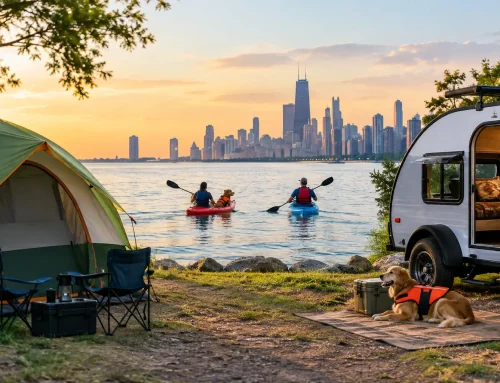
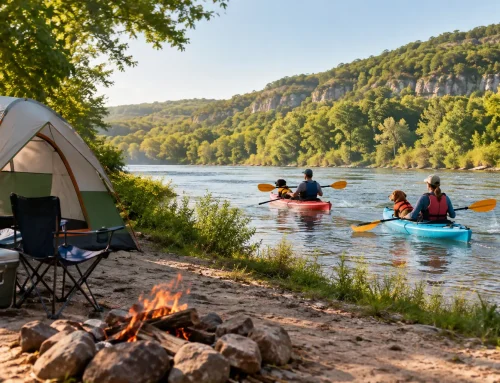
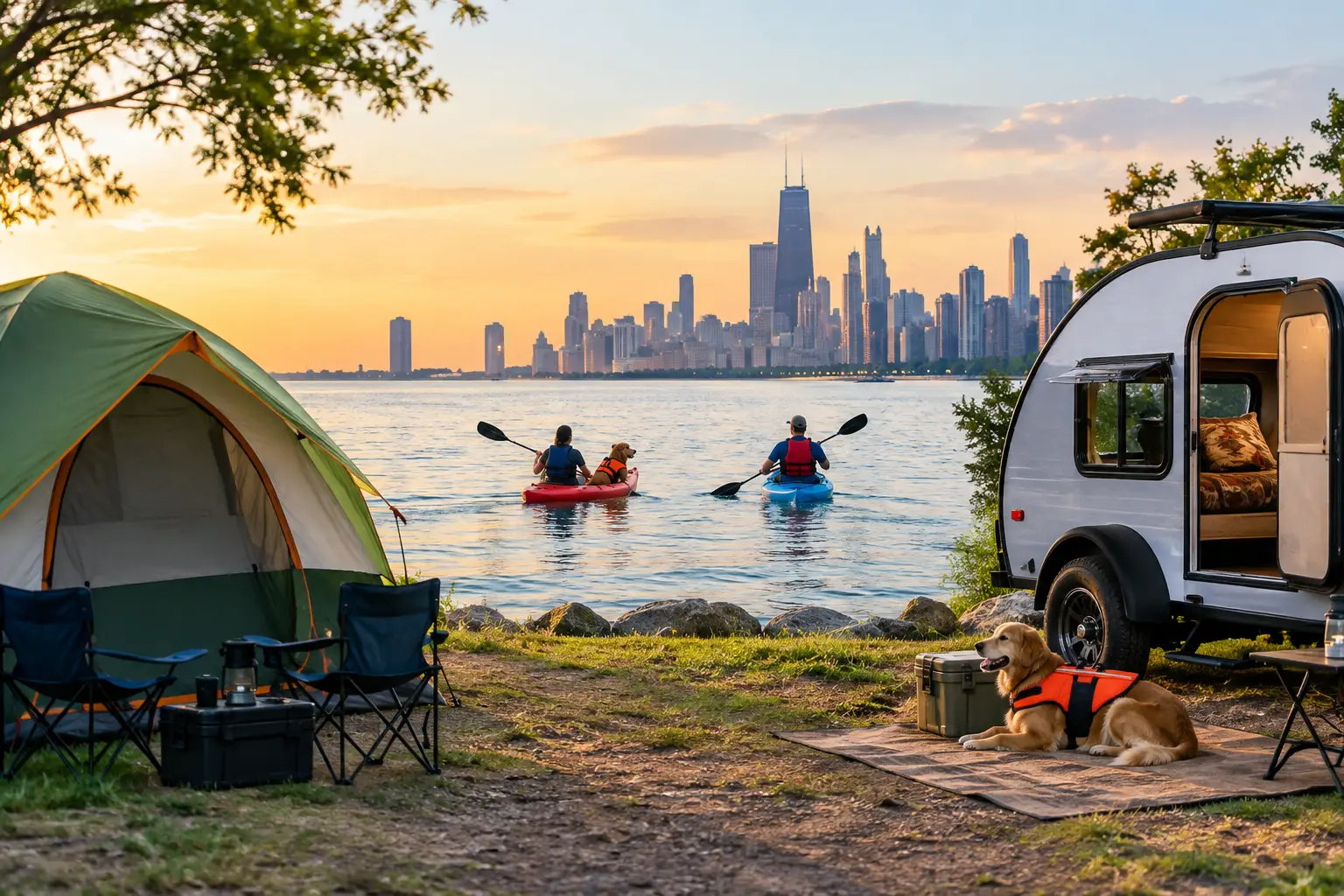
An overnight stay gives the team time to settle in. The paddle is the anchor activity, but the bigger value often comes later – hanging out at camp, talking after dinner, and waking up somewhere that does not feel like the office or the expressway. A waterfront camping setup keeps that easygoing energy going without requiring anyone to plan a complicated multi-stop trip.
This is also where flexible options matter. Some groups love traditional tent camping. Others are more interested if there is a simpler setup, like pop up or teardrop camping, that lowers the barrier. The more turnkey the overnight feels, the more likely people are to enjoy it instead of treating it like a survival exercise.
For companies planning near Chicago, the combination of paddling and camping works because it feels bigger than the drive time. It has that getaway effect without becoming a full-scale destination retreat.
Corporate teambuilding near Starved Rock makes sense
The area near Starved Rock has a built-in advantage for company outings. It feels scenic and different right away, which helps people switch gears. Sandstone bluffs, river views, and a little breathing room do a lot of heavy lifting before the activity even starts.
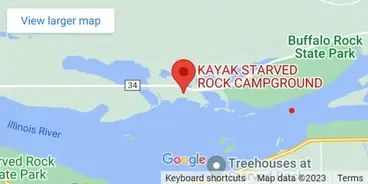
A spot like Kayak Starved Rock fits especially well for beginner-friendly corporate teambuilding because the experience is designed to be simple, guided, and confidence-building. That is the formula most work groups need. Not everyone wants a hardcore outdoor challenge. Most teams want a fun day where they can show up, get clear direction, wear the PFD, get on the water, and have a great time.
That balance of fun and structure matters. Safety expectations should be non-negotiable, but the vibe should still feel light, welcoming, and doable for first-timers. The best group events make people feel taken care of without making the day feel overly managed.
A better standard for team events
If you are planning corporate teambuilding, aim lower and higher at the same time. Lower the stress, the complexity, and the pressure to perform. Raise the quality of the experience, the setting, and the odds that people will actually enjoy themselves.
That is usually what works. Give teams a chance to get outside, try something approachable, and spend time together in a place that feels like a break. People do not need a perfect lesson in collaboration. They need a good day they will still be talking about next week.