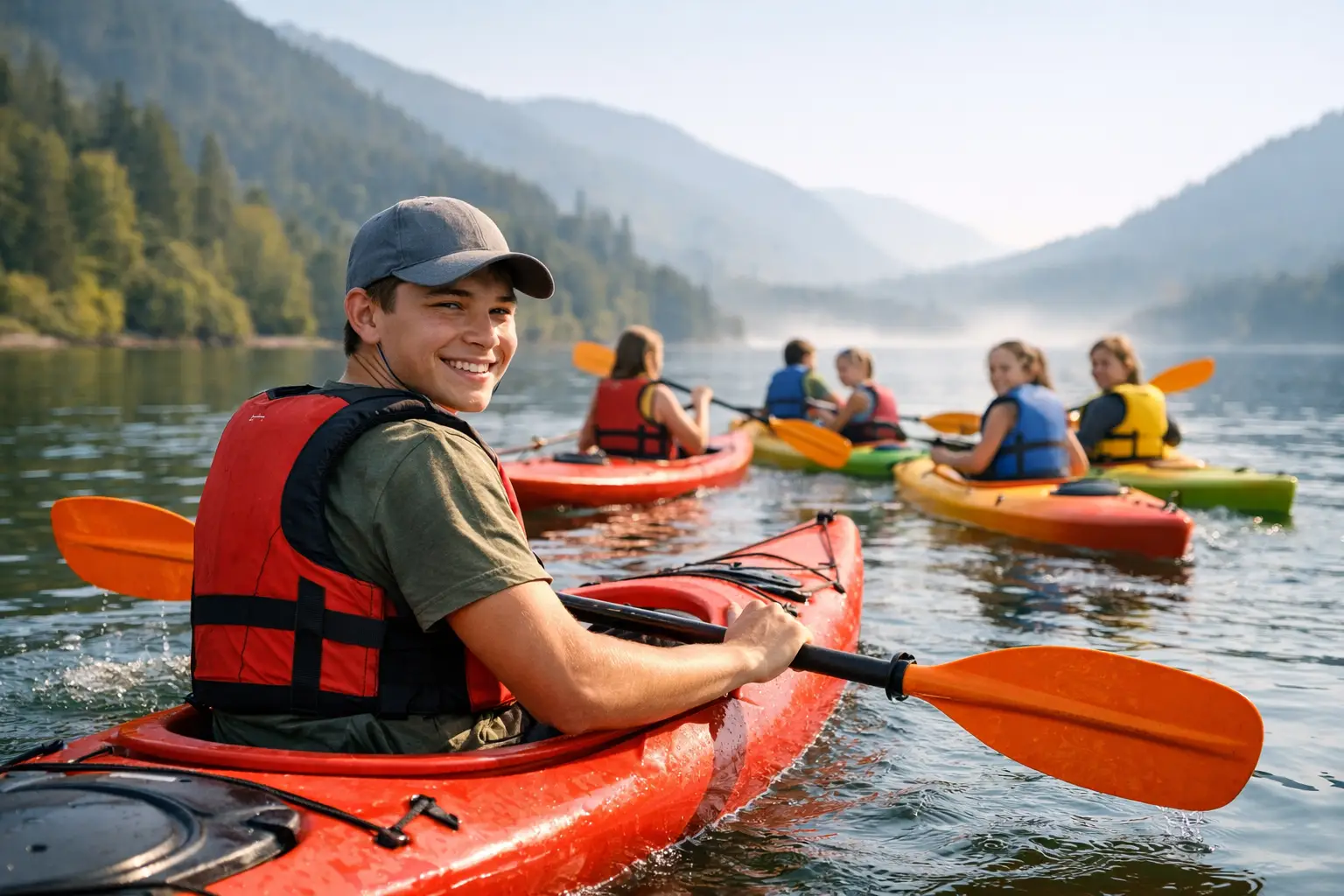
Getting a van full of kids out of the city and onto the water sounds amazing right up until someone asks, “Who’s bringing waivers, snacks, dry clothes, and the first-aid kit?” That is exactly why a well-run youth group kayak tour matters. The right trip feels like an adventure for the group and a relief for the adults organizing it.
For church groups, scouting groups, school clubs, and youth organizations, kayaking works best when the experience is structured without feeling stiff. You want real outdoor fun, but you also want easy logistics, beginner-friendly water, and guides who know how to keep a group moving without turning the day into boot camp. That balance is what makes the difference between a chaotic outing and the kind of trip kids talk about all the way home.
Why a youth group kayak tour works so well
Youth groups need activities that hit a few goals at once. It helps if the outing gets everyone outside, creates shared memories, and gives kids a little confidence boost without demanding advanced athletic skill. Flatwater kayaking checks all three boxes.
On calm, shallow, controlled water, first-timers can get comfortable quickly. That matters more than people realize. If half your group has never held a paddle, you do not need rough water or a complicated route. You need an environment where kids can listen, laugh, practice, and actually enjoy learning something new.
There is also a social side to kayaking that works well for groups. Tandem kayaks can pair up friends or a youth participant with a leader, while single kayaks give older or more confident paddlers a little independence. Some groups love the teamwork of tandems. Others prefer a mix. It depends on age, maturity, and how much supervision your leaders want on the water.
What youth leaders should look for before booking
Not every paddling location is a good fit for a youth event. A scenic photo is nice, but planning a group trip is really about reducing friction. The best setup is one where the water, the equipment, and the on-site support all make your job easier.
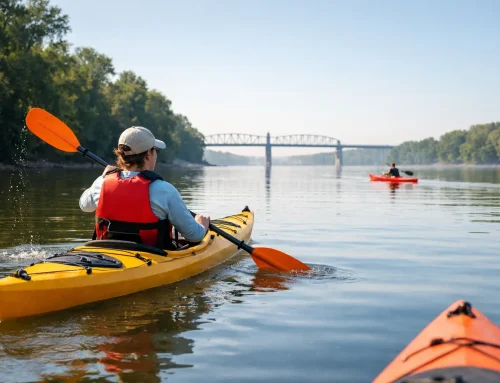
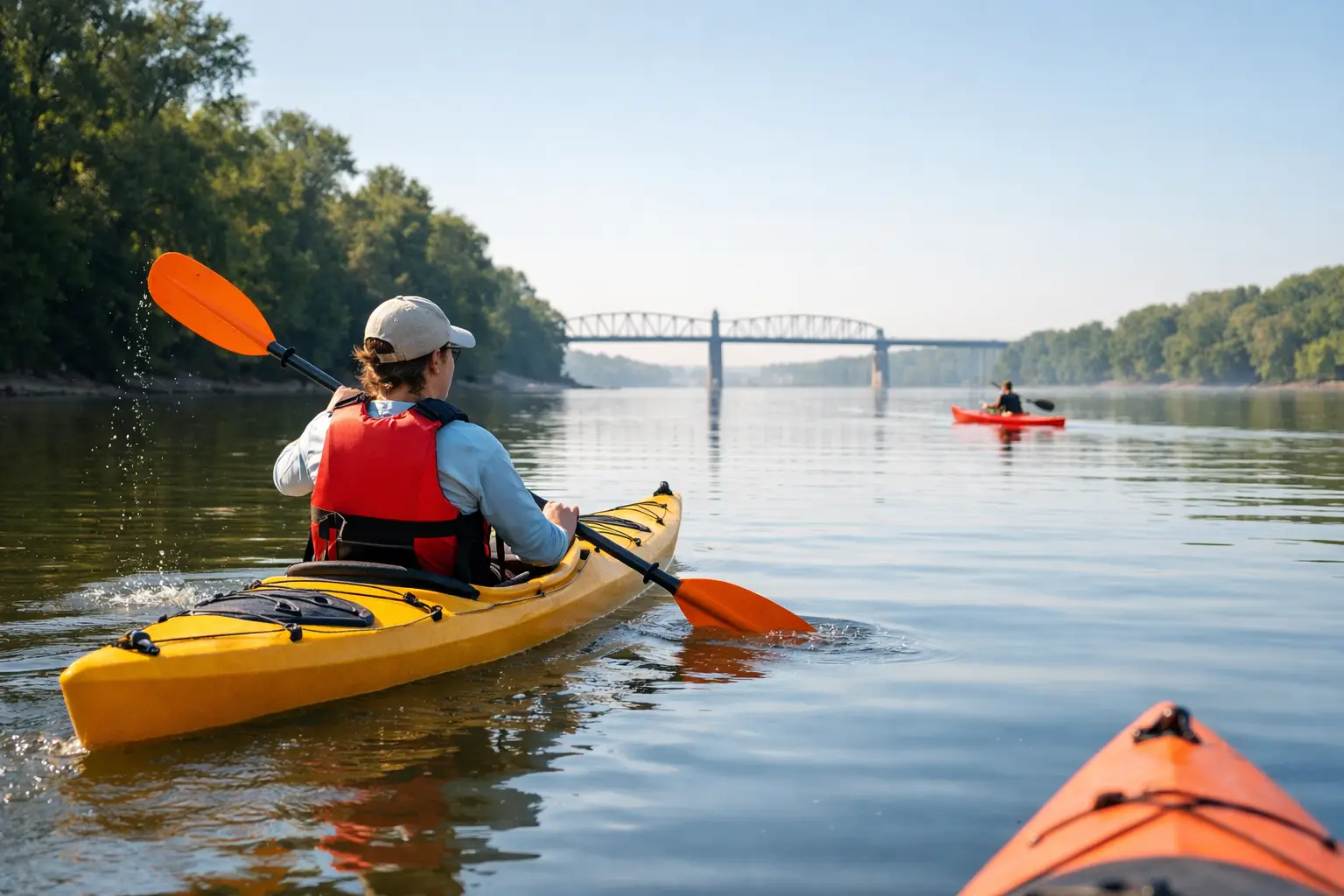
Start with the water conditions. For youth outings, calm flatwater is usually the smart choice. Fast current can separate a group too easily and raise the stress level for beginners. Shallow water is another plus because it gives leaders peace of mind and helps nervous paddlers relax.
Next, think about how much instruction is included. A guided tour is often the best call for youth groups because it builds in safety orientation, paddling basics, and on-water leadership. That means your adult volunteers do not have to act like expert instructors. They can focus on the group while the guides handle technique, pace, and route management.
Then there is equipment quality. Stable kayaks, well-fitted paddles, and required PFDs are not extras. They are the foundation of a good day. Kids can tell the difference between an experience that feels organized and one that feels thrown together.
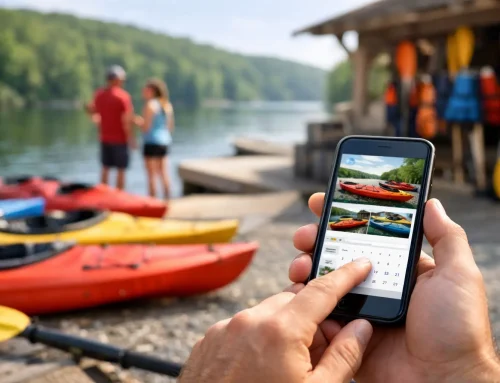
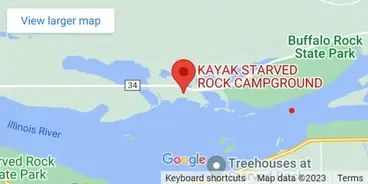
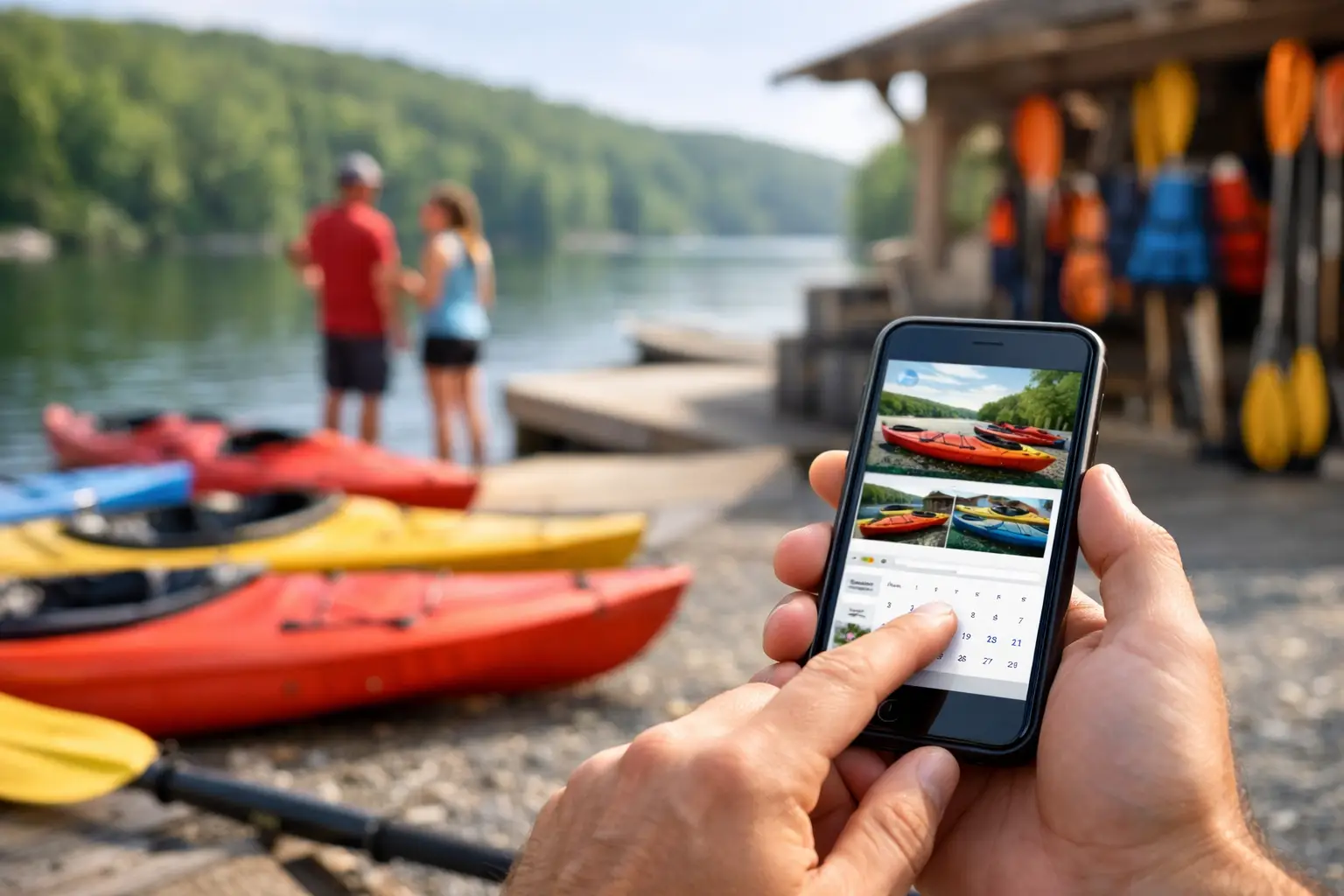
Finally, look at the full logistics picture. Is it close enough for a day trip from Chicago or Northern Illinois? Are there clear launch times and booking procedures? Is there support on site if your head count changes or a participant is nervous? Simple planning details matter a lot when you are moving a whole group.
Youth group kayak tour near Chicago: why location matters
For many youth leaders, the biggest planning challenge is not the activity itself. It is distance. If the trip takes too long to reach, the day gets harder on everyone. A youth group kayak tour near Chicago makes sense because it keeps the adventure big while keeping the drive reasonable.
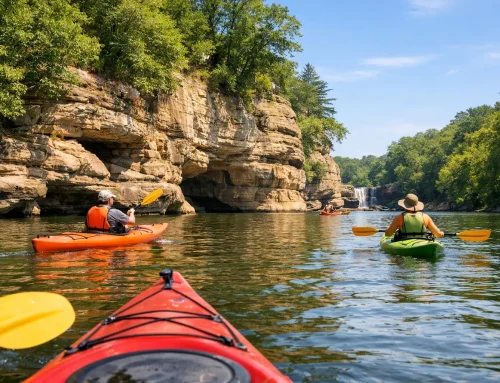
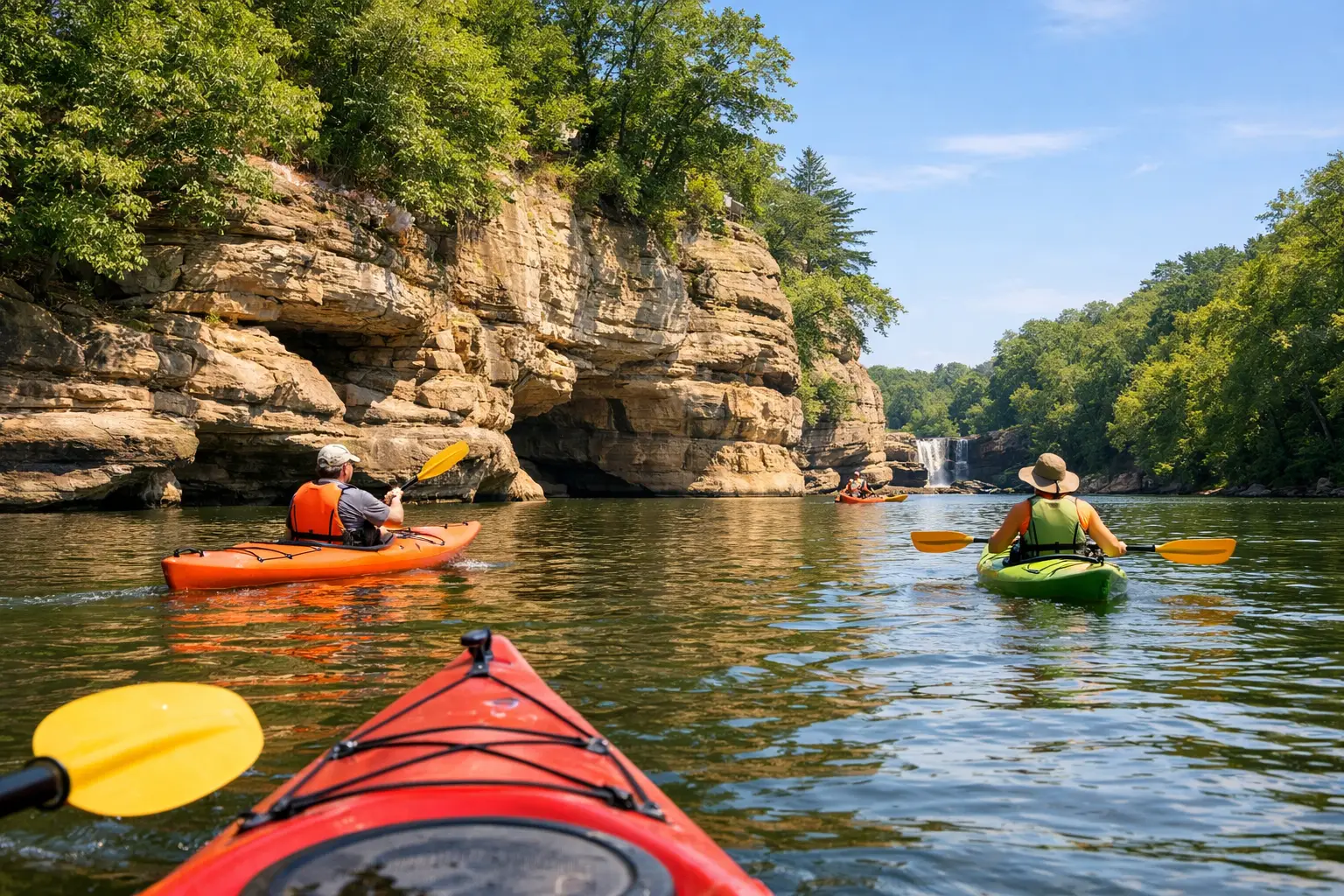
That is one reason Starved Rock area kayaking is such a strong option for youth organizations in Northern Illinois. The setting feels like a real getaway, with river views, sandstone bluffs, and that fresh-air reset everyone needs, but it is still manageable for a day trip or an overnight plan. You get the mental break of being away without the exhaustion of a major travel day.
That sweet spot is especially helpful for groups with mixed ages. Younger kids are happier with less drive time. Teen groups stay more engaged when the day does not feel eaten up by transportation. Adult leaders also appreciate getting home at a decent hour.
Guided tours vs. self-guided rentals for youth groups
This is one of the few places where the answer is usually clear. For most youth organizations, guided is better.
A self-guided rental can work for a small group with experienced paddlers and strong adult leadership, but that is not the norm. Most youth groups include beginners, mixed confidence levels, and adults who are great with kids but not necessarily trained in paddlesports. A guided tour fills that gap.
Guides help with launching, spacing, simple paddle technique, and on-water communication. They can spot when someone is getting tired, nervous, or distracted before it becomes a bigger issue. They also keep the trip moving so the group spends more time enjoying the water and less time bunching up in confusion.
The trade-off is that guided experiences have more structure. If your group wants total freedom to wander at its own pace, that may feel limiting. But for youth outings, structure is usually what keeps the day fun. A little guidance up front creates a lot more confidence once everyone is on the water.
Pairing kayaking with waterfront camping
If you want the trip to feel bigger than a single activity, adding camping can turn a good outing into a full youth retreat. That is especially true for church youth groups, scouts, and clubs trying to build in more connection time.
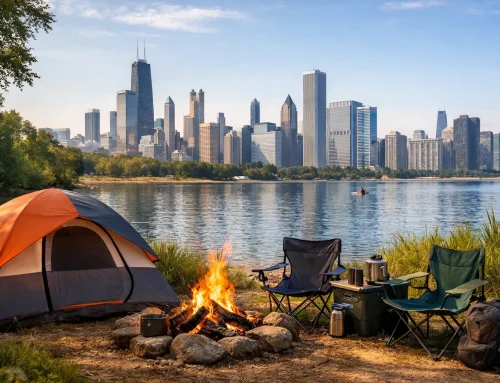
Waterfront camping works well because it keeps the vibe simple. Paddle during the day, eat together, hang out by camp, and let the group settle into a slower rhythm. For leaders, it is also easier than trying to stitch together multiple locations. When kayaking and camping happen in one place, planning gets much less messy.
This is where flexible camping options matter. Some groups are happy bringing tents and doing the full traditional setup. Others want a lighter lift with pop up or tear drop camping options. It depends on your group style, your gear situation, and how much time your volunteers have for setup. There is no badge for making things harder than they need to be.
For groups coming from near Chicago, an overnight plan can make especially good sense. Instead of cramming the whole experience into one day, you get more time outside and less rushing. That extra breathing room often changes the whole mood of the trip.
Safety expectations that actually help the fun
Nobody books a youth trip because they are excited about rules. Still, the right safety structure is what lets everyone relax.
PFDs should be required, fitted correctly, and worn the entire time on the water. A pre-launch talk should cover basic paddle strokes, what to do if a kayak bumps into shore, and how to follow guide instructions. Good safety communication should feel calm and clear, not dramatic.
It also helps to set expectations with parents early. Let them know the water conditions, supervision plan, and what participants should wear and bring. Quick-dry clothing, secure shoes, sunscreen, water, and a dry change of clothes solve a lot of preventable problems.
One more thing – group leaders should be realistic about attention spans. Younger paddlers may do better on a shorter guided outing with plenty of encouragement. Older teens may be ready for a longer route or an overnight camping add-on. Matching the trip to the group is part of good safety planning too.
Making the day feel easy for organizers
The best youth trips do not just work for the kids. They work for the adults running the day.
That means choosing a place with straightforward booking, clear arrival instructions, and on-site staff who know how to handle groups. It means not needing a shuttle. It means having premium equipment ready to go and a team that can explain things without making first-timers feel awkward.
Kayak Starved Rock Campground stands out here because the experience is built for exactly this kind of low-stress outdoor day. The flatwater setting, guided support, waterfront camping, and beginner-friendly environment take a lot of pressure off leaders who want a fun trip without a million moving parts.
That ease matters because kids pick up on it. When leaders are calm, the group settles in faster. When the launch process is organized, participants feel more confident. When the day flows, everyone has more room to enjoy the part they came for – being outside together.
What makes a youth kayak trip memorable
It is usually not the perfect paddle stroke. It is the middle schooler who starts the day nervous and ends it asking when they can go again. It is the group photo in life jackets after everyone made it out and back smiling. It is the quiet stretch on the water where a busy group suddenly gets still for a minute and actually notices where they are.
That is why a youth group kayak tour works. It gives young people a real adventure that feels exciting but manageable. It gives leaders a plan that does not require superhero-level coordination. And it gives the whole group something a lot of schedules do not – a few hours outdoors that feel simple, active, and genuinely good.
If you are planning the next outing, choose the version that makes it easiest for your group to say yes, show up, and have a great time. That is usually the trip they remember.