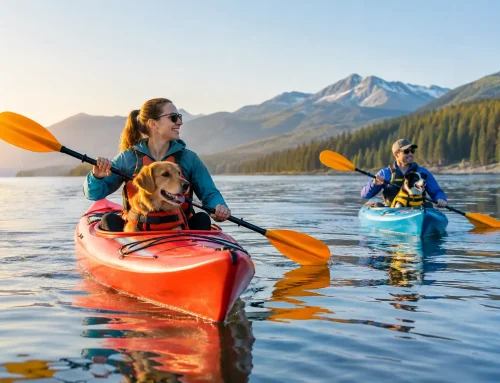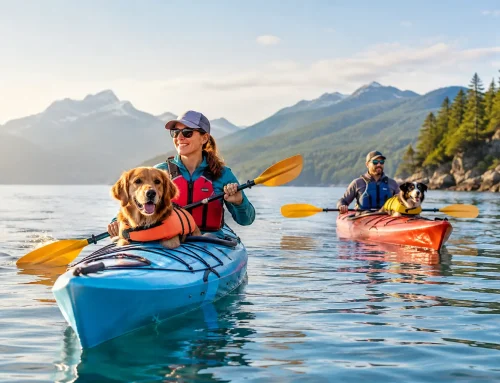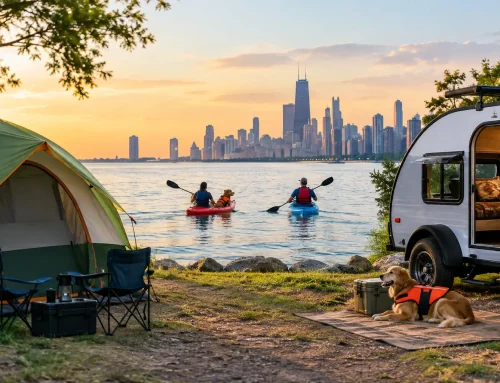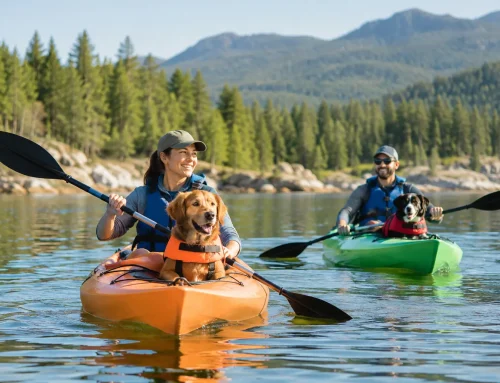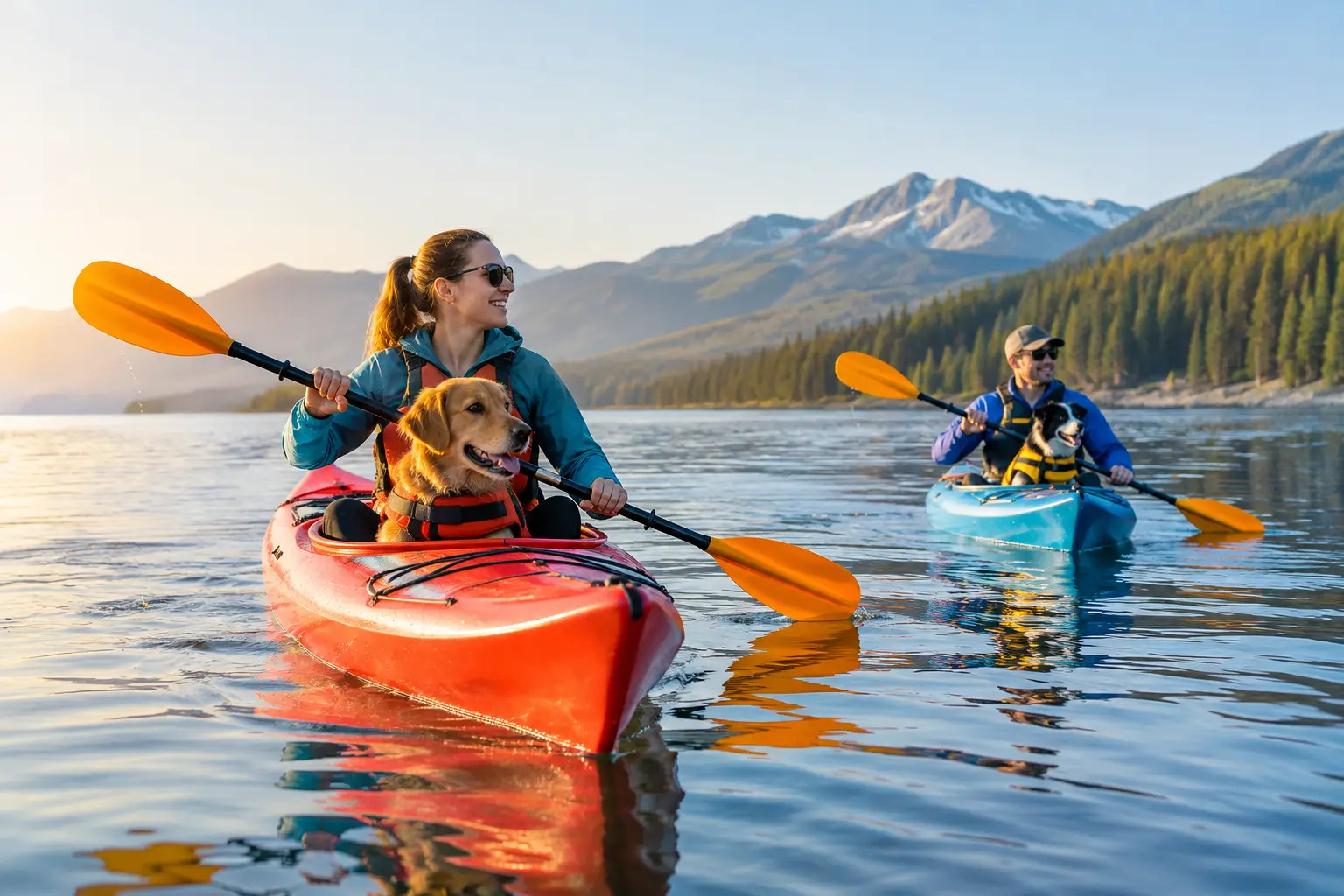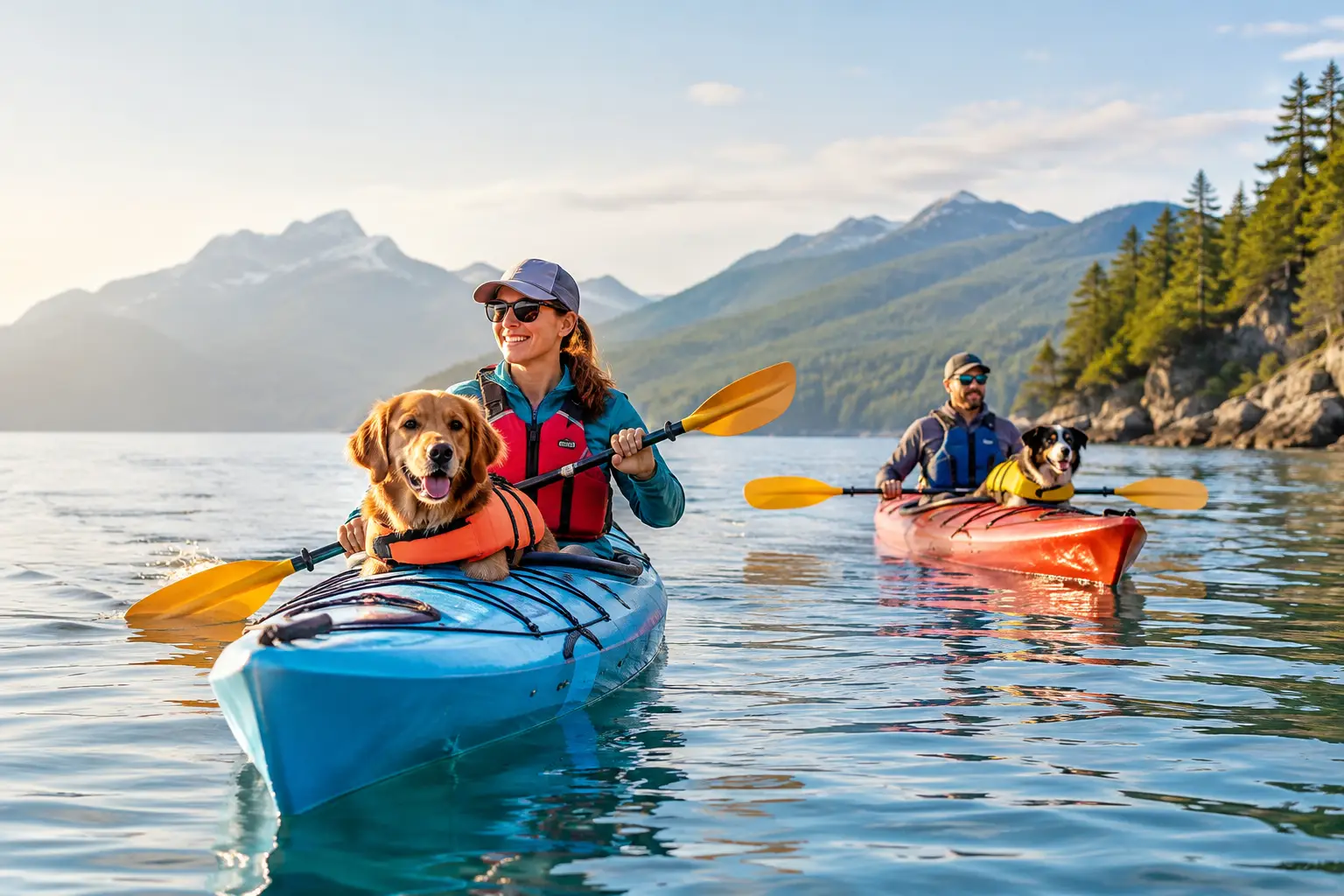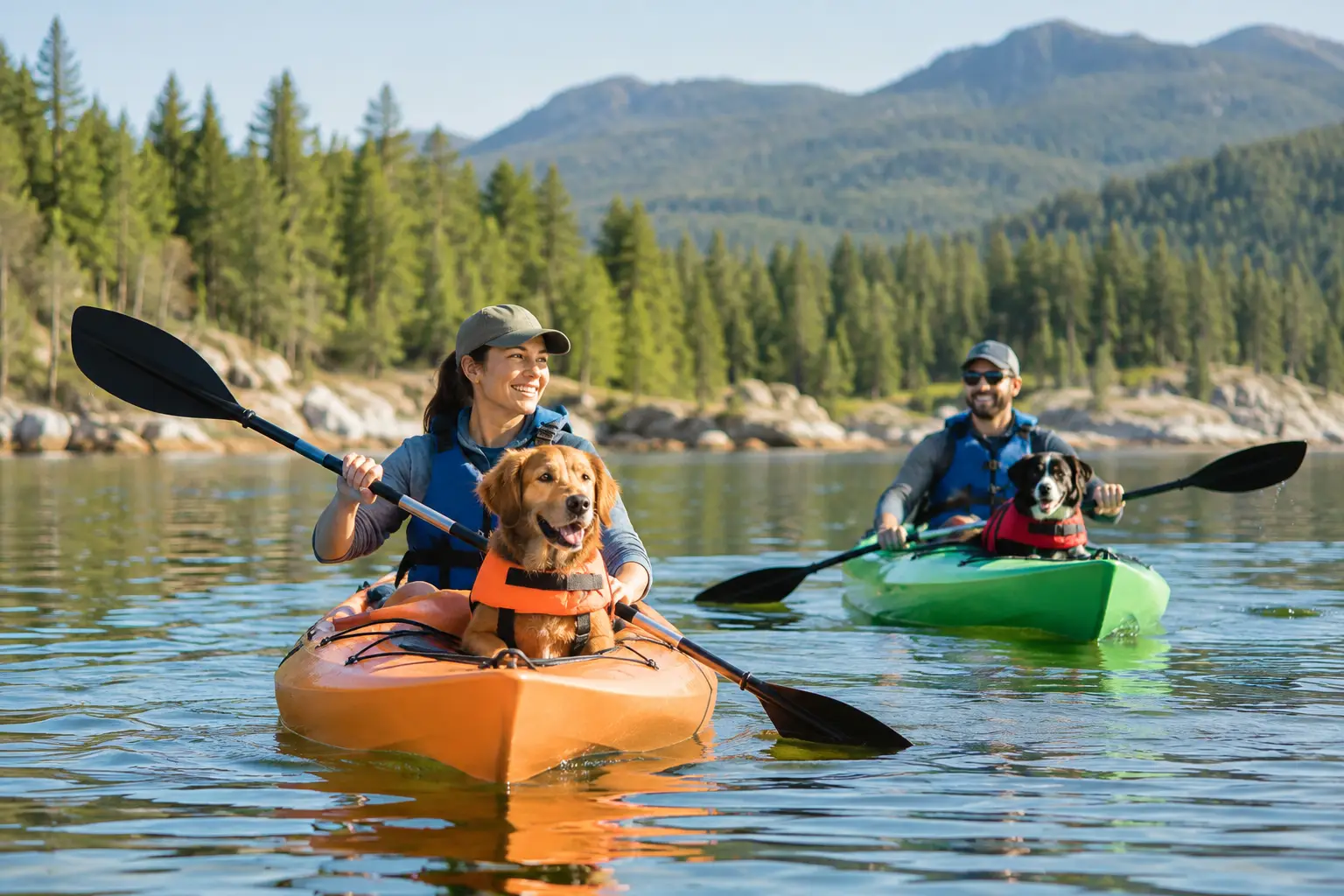
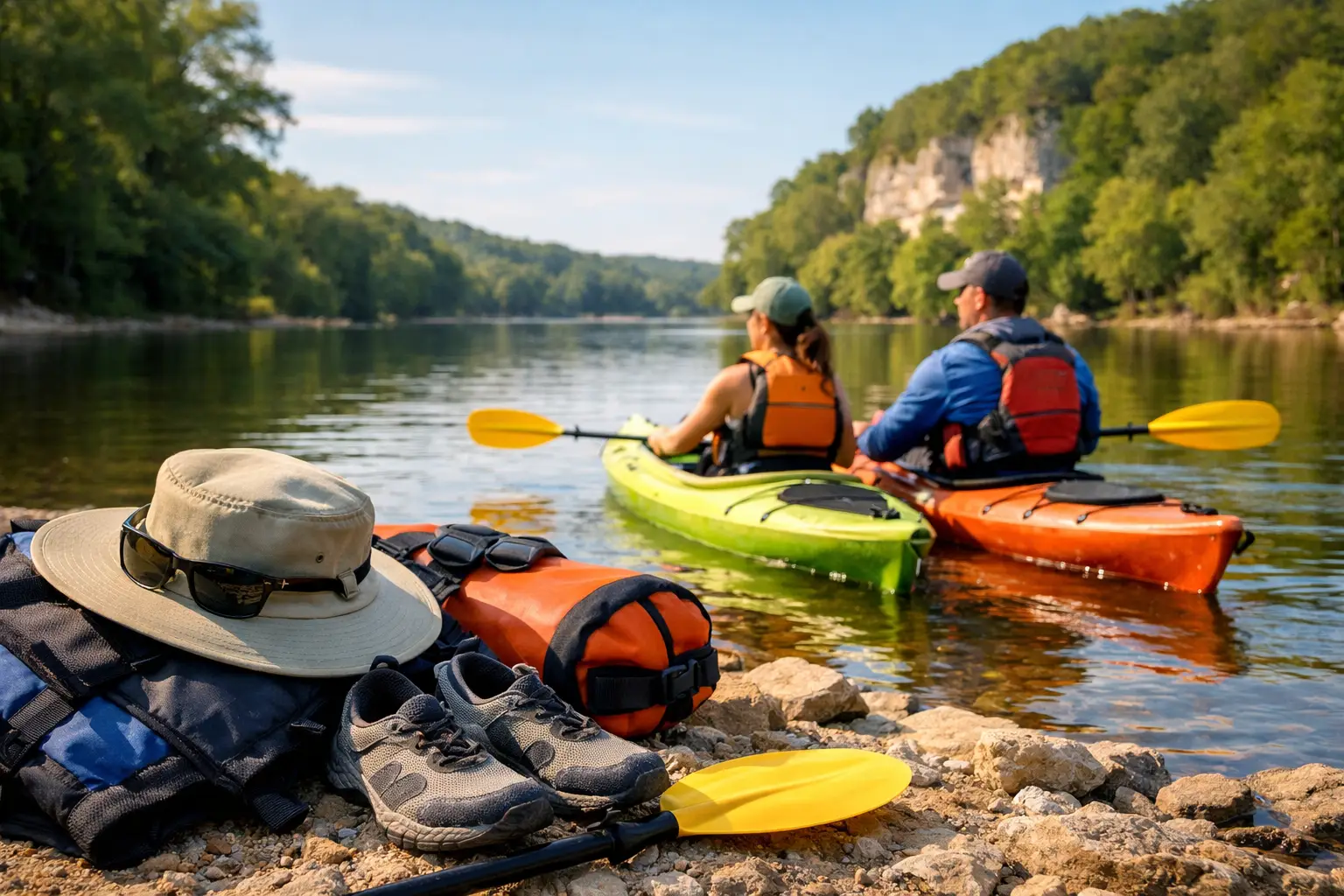
You do not need a hardcore river outfit to have a great day on the Illinois River. You need clothes that can get wet, dry reasonably fast, and let you move without feeling sticky, stiff, or sunburned by lunch.
That is the good news for first-timers, families, and anyone planning a near-Chicago paddle who does not want to overthink it. The Illinois River by Starved Rock is much more about comfort, weather, and common sense than dressing like an expedition paddler. If you are headed out for a casual flatwater trip, the goal is simple: stay comfortable on the water, stay protected from sun and wind, and avoid heavy fabrics that make a fun paddle feel like a chore.
What to wear for Illinois River kayaking in real life
The best outfit usually starts with a swimsuit or moisture-wicking base layer, then adds lightweight clothes you do not mind getting splashed. Think athletic wear, not cotton street clothes. A quick-dry T-shirt or sun shirt with shorts, board shorts, or lightweight leggings works for most warm-weather paddles.
If you are trying to figure out whether you will get soaked, the honest answer is: probably not completely, but wet happens. Paddles drip. Kayaks collect a little water. Kids splash. Dogs shake. A sunny day can make that feel refreshing, but only if your outfit dries fast.
That is why cotton is usually the weak link. A cotton tee sounds innocent enough in the parking lot, then turns heavy and chilly once damp. The same goes for jeans, sweatpants, and anything thick that stays wet. Save those for camp later.
Start with the weather, not your closet
What to wear for Illinois River kayaking changes with the forecast more than people expect. Air temperature matters, but wind, cloud cover, and water temperature matter too. An 80-degree afternoon can feel perfect in a kayak. A breezy 68-degree morning can feel cooler than you planned for, especially if you are sitting still taking in the bluffs and canyon views.
On hot summer days, lighter is better, but coverage still helps. A long-sleeve UPF shirt can actually feel cooler than a tank top once the sun is beating down. If you burn easily, it is one of the smartest pieces you can bring.
In spring and early fall, layers win. A synthetic top with a light fleece or a thin splash-resistant outer layer can make the difference between “this is refreshing” and “why am I shivering?” The trick is wearing layers that still work if they get damp. Bulky hoodies usually do not.
The best tops and bottoms for comfort
For most beginners, the easiest outfit is one you already own. A workout shirt, fishing shirt, or lightweight athletic top is ideal. Short sleeves are fine in warm weather, while long sleeves are better for sun protection and cooler starts.
On the bottom, athletic shorts, quick-dry shorts, or swim trunks are the easy choice. Many paddlers also like leggings because they protect against sun and feel comfortable in the kayak seat. That said, full-length leggings on a very hot day can feel warmer than expected, so this is one of those “it depends” calls.
If you are paddling with kids, keep it simple. Dress them in the same kind of quick-dry layers you would choose for a splash-heavy playground day. Avoid outfits that get heavy, twist around, or become uncomfortable once wet. A happy kid in the kayak is usually a kid who is not distracted by soggy clothes.
Shoes matter more than most people think
If there is one thing people get wrong most often, it is footwear. Flip-flops seem like a summer answer until they slide off, rub your feet, or make walking to and from the launch awkward.
The better move is a pair of secure water-friendly shoes. River sandals with back straps, water shoes, old sneakers you do not mind getting wet, or closed-toe amphibious shoes all work well. You want traction, comfort, and something that stays on your feet.
Barefoot is not the move for most people. Even on a beginner-friendly, shallow, flatwater river, getting in and out is easier when your feet are protected. If you are camping before or after your paddle, bringing a dry pair of sandals or camp shoes for later is a very good idea.
Do not forget your life jacket fit
Your clothing has to work with your PFD, not fight it. Life jackets are required, and they should fit snugly and comfortably over whatever you wear. That means thick jackets, oversized sweatshirts, and bulky layers can turn a simple fitting into a wrestling match.
A lighter outfit makes your PFD more comfortable and less restrictive. You will move better, paddle easier, and stay cooler. It is one of those small choices that improves the whole trip.
If you are planning photos, keep this in mind too: all the best river shots still include the life jacket. The good news is that comfortable paddling clothes and a properly fitted PFD look exactly like what they are – someone having a good day outside.
Sun protection is part of what to wear for Illinois River kayaking
The Illinois River can feel mellow, but the sun reflects off the water and sneaks up on people fast. That is why the smartest paddlers dress for sun as much as splash.
A hat with a brim helps a lot. Sunglasses are worth bringing too, ideally with a retainer so they do not disappear into the river. If you wear a baseball cap, that is totally fine, but a wider brim gives your ears and face more coverage.
Clothing does some of the sunscreen work for you. A lightweight long-sleeve shirt and longer shorts or leggings can reduce how much exposed skin you have to manage. You should still use sunscreen on anything uncovered, but good clothing makes the day easier.
What not to wear on the river
Some outfits just make kayaking less fun. Jeans are high on that list. Once wet, they stay wet, feel heavy, and bunch up uncomfortably in the seat. Cotton hoodies are another common mistake, especially on cooler mornings when people dress for the air and forget about splash and wind.
You should also skip anything you would be upset to stain, snag, or soak. River days are active, casual, and a little messy in the best way. This is not the time for expensive fashion, delicate fabrics, or a phone stuffed into an unprotected back pocket.
If you are wondering about swimsuits alone, they can work on very hot days, but many people end up more comfortable with a light layer over them. More coverage usually means less sun, less rubbing, and fewer distractions.
A few seasonal outfit calls
Summer is the easiest season to dress for. Think quick-dry shirt, shorts, secure water shoes, hat, sunglasses, and your PFD. Bring a dry change of clothes for afterward, especially if you are heading into town or back to camp.
Spring and fall take more judgment. Dress lighter than you would for standing around, but warmer than you would for a beach day. Synthetic layers, a light outer shell, and full-foot coverage make a lot of sense when the air is crisp.
If the weather is unusually cool, rainy, or unpredictable, it may be worth choosing guided support or calling ahead before you head out. Conditions can still be beginner-friendly while the comfort equation changes.
If you are making it a full day or weekend
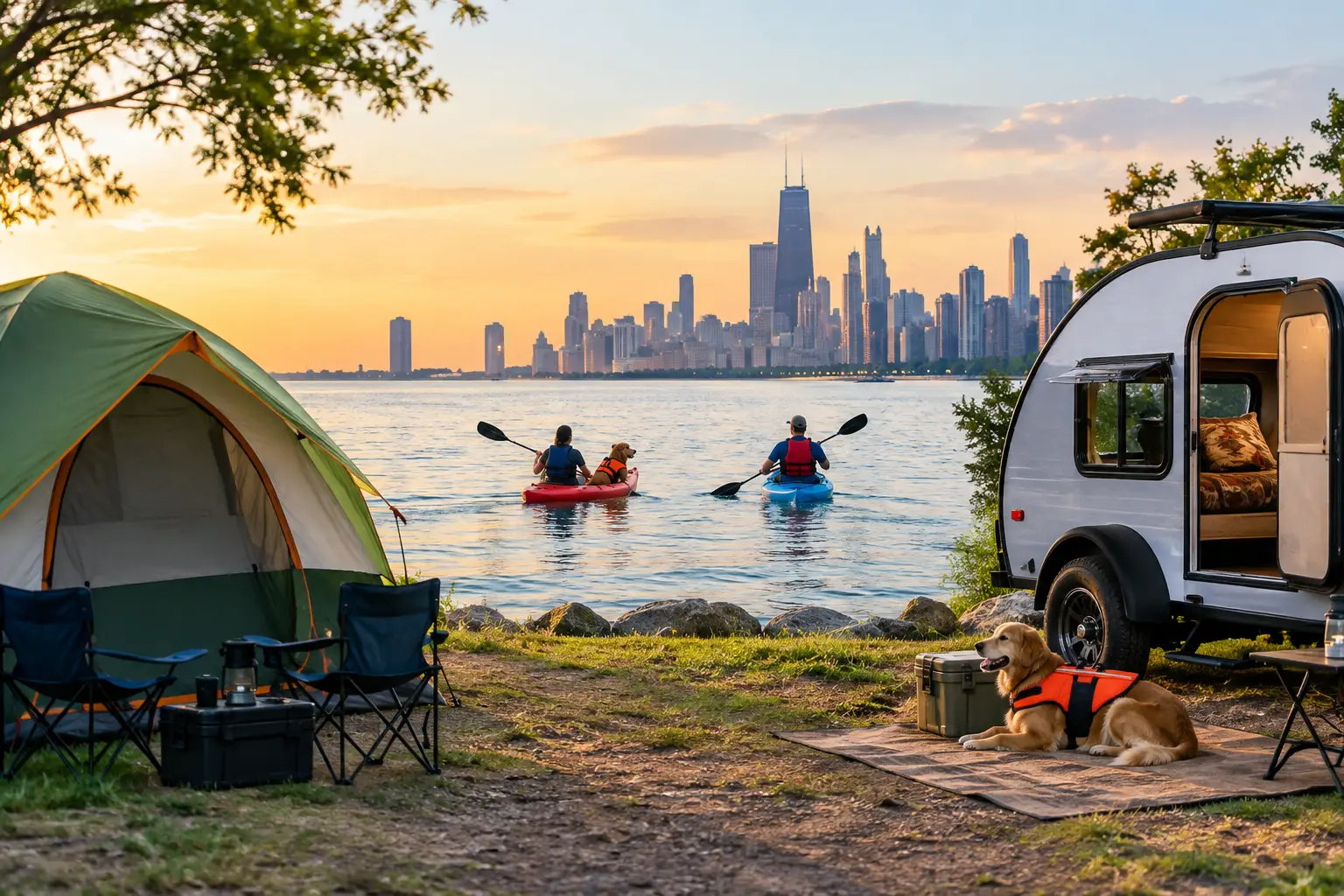
A lot of people are not just paddling for an hour and heading home. They are turning it into a Starved Rock day trip, a dog-friendly outing, or a weekend with waterfront camping. That changes what you pack, even if your on-water outfit stays simple.
Bring a dry set of clothes for later, including socks and comfortable camp shoes. If you are staying overnight, pack layers for the evening because riverside temperatures can drop faster than people expect. A warm fleece or dry hoodie is perfect once you are off the water – just not as your paddle outfit.
If you are camping or booking a paddle-and-camp trip through Kayak Starved Rock Campground, keeping your river outfit simple and your after-paddle clothes dry is the move. You will enjoy both parts of the trip more.
The easiest rule of all
If you can walk, sit, paddle, and get splashed without worrying about your outfit, you are probably dressed right. That is really the standard.
The Illinois River is a great place for beginners because it does not ask you to be an expert. Your clothes should follow that same energy. Wear pieces that are light, practical, and comfortable, fit your PFD well, and make you feel ready for a fun day outside. Then let the river do the rest.
A little planning goes a long way, and the best outfit is usually the one that helps you forget about your clothes five minutes after launch.