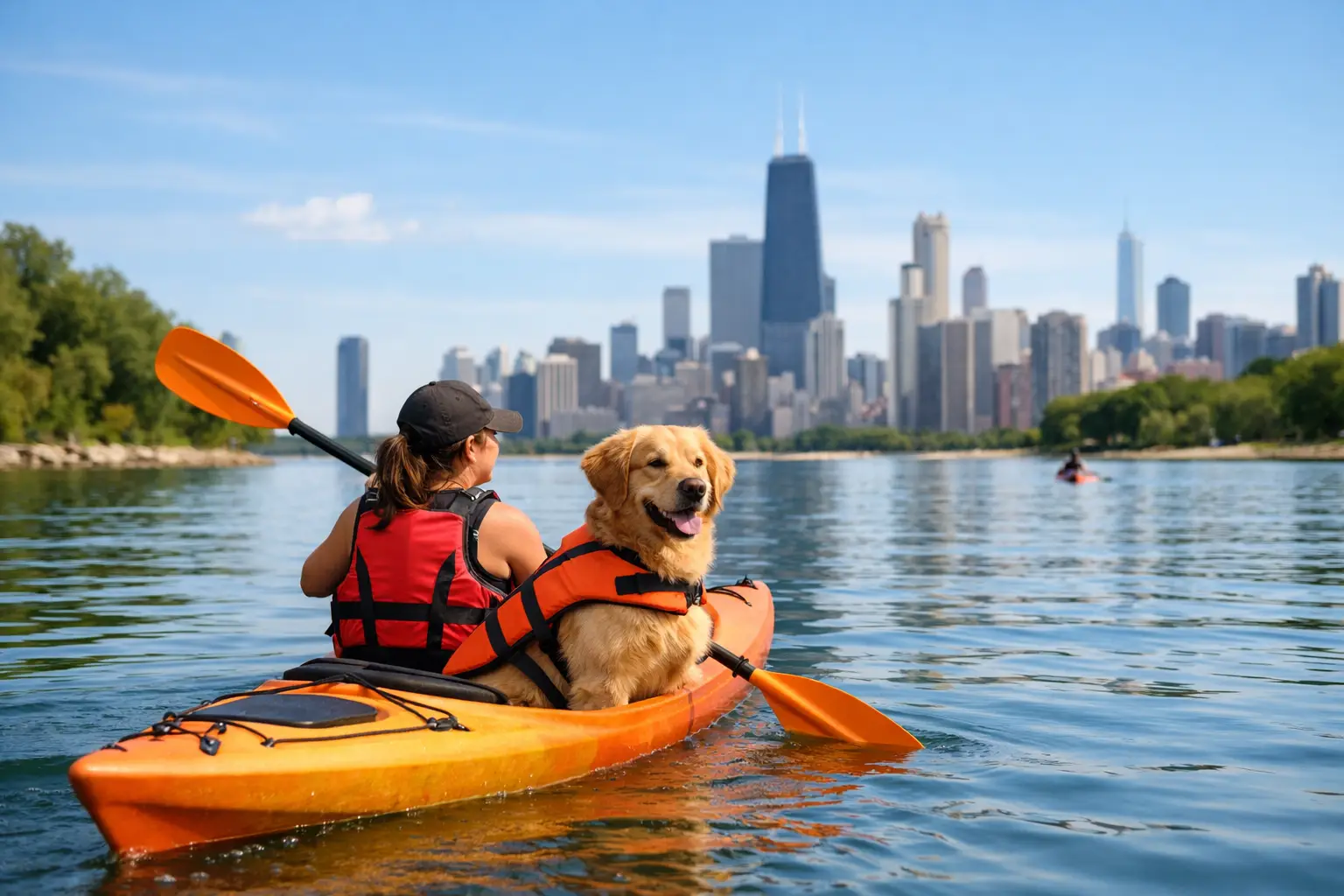

If your idea of kayak camping includes getting lost, flipping over, and eating crushed granola bars in the dark, let’s fix that right now.
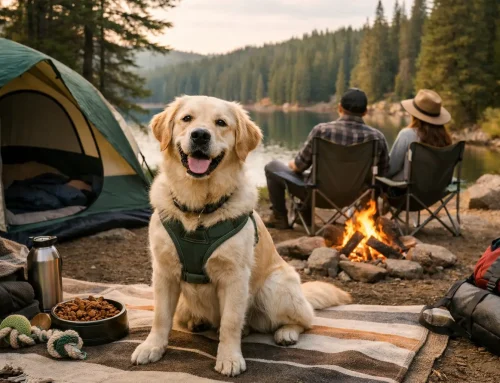
A first Illinois River kayak camping trip can be surprisingly easy when you choose the right stretch of water and keep your plan simple. Near Starved Rock, the big win for beginners is not bragging rights. It is getting the feel-good part of the trip – paddling, camping, camp coffee, riverside sunsets, maybe your dog snoozing by the tent – without turning the weekend into a survival exercise.
That is exactly why this area works so well for first-timers from Chicago and Northern Illinois. You can get the outdoor reset you want without committing to a hardcore expedition.
Why Illinois River kayak camping for beginners works here
Not every river is friendly to new paddlers. Some routes are current-heavy, deep, remote, or loaded with logistics. That is where a lot of beginners get spooked, and honestly, for good reason.
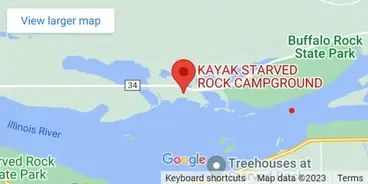
The Illinois River near Starved Rock is a much better fit when you want confidence, not chaos. Flatwater conditions, shallow areas, and a dam-controlled environment make it feel far more approachable than the word “river” usually suggests. For families, couples, and friend groups trying kayak camping for the first time, that matters a lot. You spend less time worrying about technical paddling and more time actually enjoying the trip.
There is also a practical perk people love – it is close enough for a real weekend getaway without eating your whole Friday night in traffic. If you are looking for camping near Chicago that feels like an escape, this checks the box fast.
What a beginner-friendly kayak camping trip actually looks like
For most first-timers, the best trip is not an all-day suffer-fest with too much gear. It is a short paddle, a waterfront campsite, and a setup that keeps things light.
That usually means arriving with enough daylight to get oriented, checking in, loading only what you need, and treating the paddle as part of the fun instead of a race. You do not need to cover huge mileage to feel like you had an adventure. In fact, beginners usually have a better time when the paddle and camp are close enough together that there is no stress about timing.
That is one reason waterfront camping packages are such a smart move. If you can pair kayaking with an on-site tent, pop-up, or teardrop camping option, you strip away a lot of the headache. Less gear to buy. Less guesswork. Less chance of realizing at 9 pm that you forgot your sleeping pad.
For some people, tent camping feels like the right amount of rustic. Others want the ease of a pop-up or teardrop so they can spend more time paddling and less time messing with setup. Neither choice is more “real.” It just depends on how much comfort you want on trip one.
How to plan Illinois River kayak camping for beginners
The best beginner plan is the boring one on paper. Book ahead, show up on time, listen to the safety talk, wear your PFD, and keep your route realistic. That is not boring on the water. That is how you get the fun version.
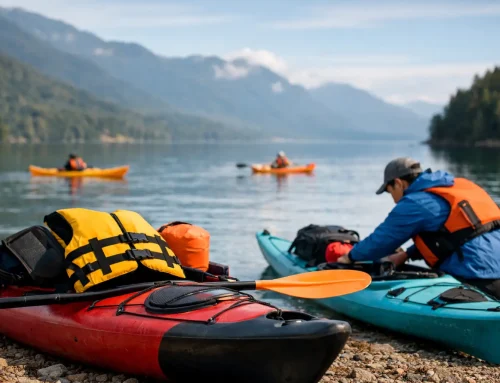
If you are renting, premium flatwater kayaks make a difference. A stable boat helps you relax, and relaxed paddlers make better decisions. Guided trips are even better for nervous first-timers because you get instruction, local direction, and someone else handling the little details that tend to create stress.
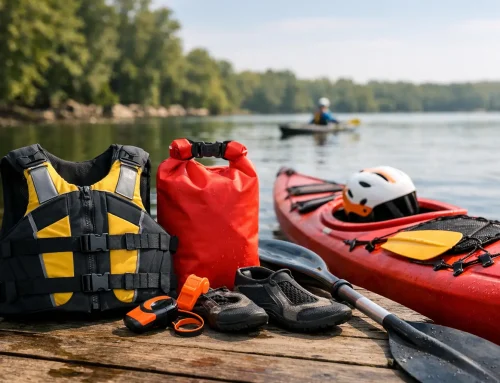
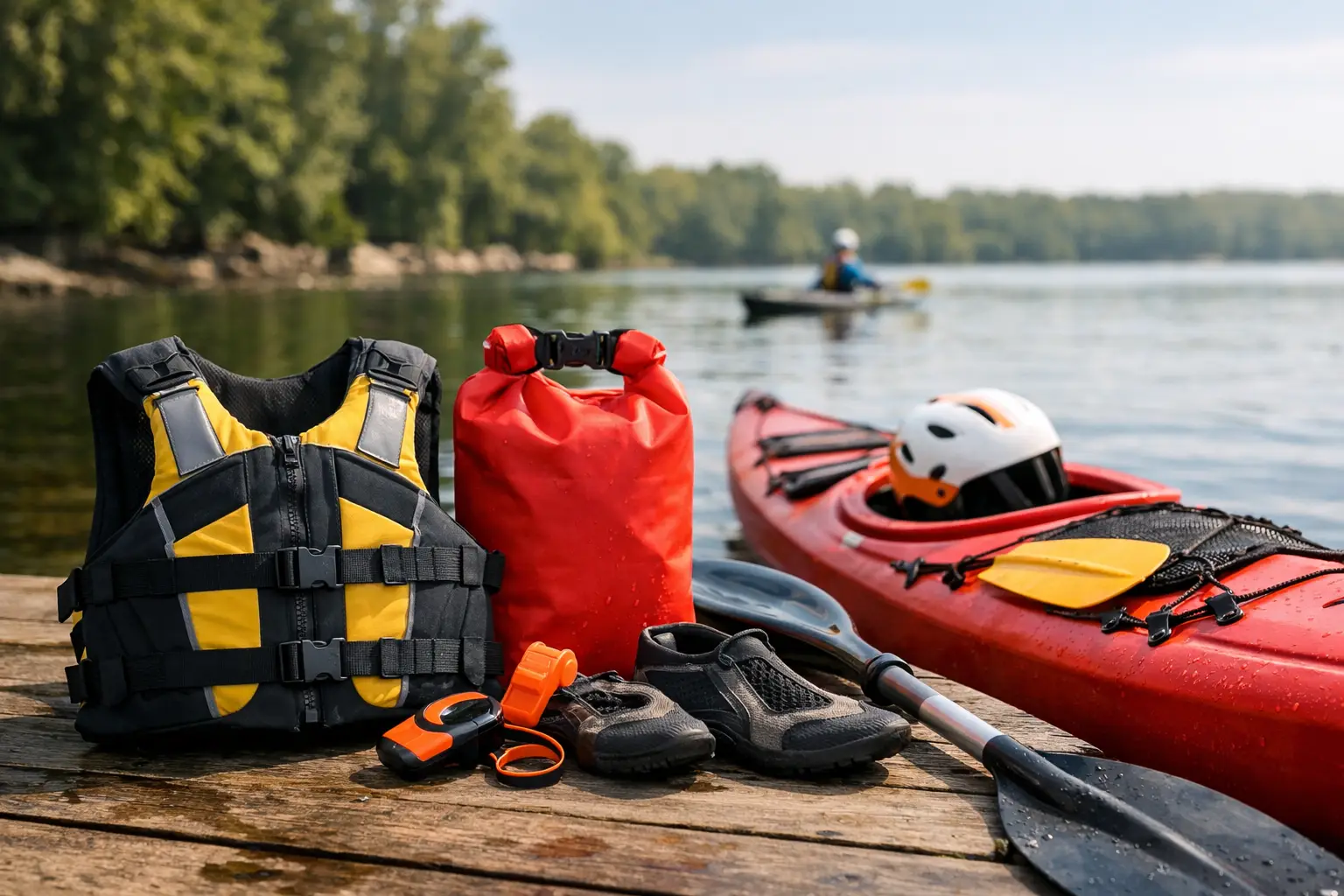
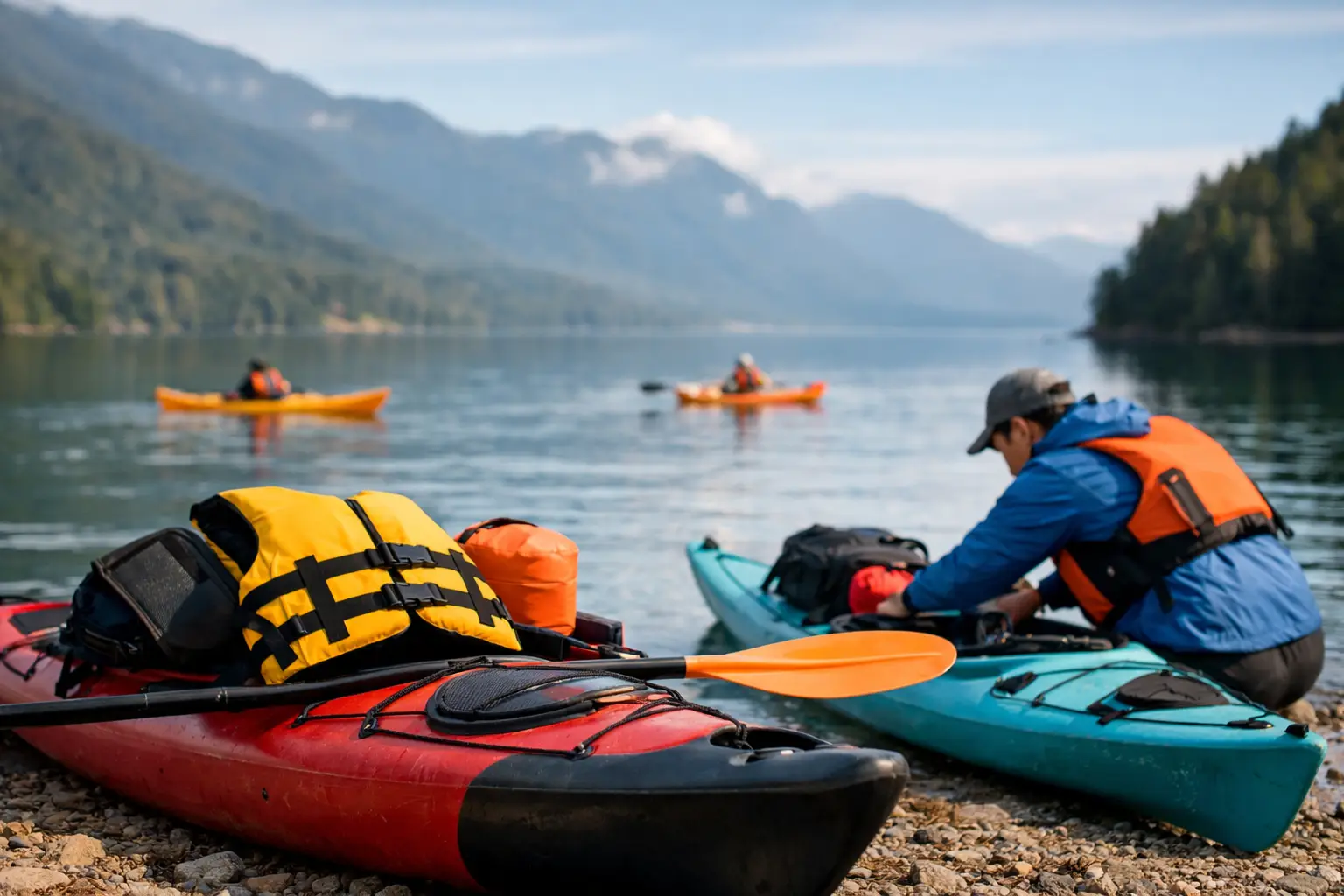
If you are camping too, think in two categories – what must stay dry, and what can handle a little splash. Your phone, clothes, bedding, and car keys go in dry storage. Your water bottle and snack are less dramatic. Pack lighter than you think. Most beginners bring too much and end up stuffing random items into every corner of the boat.
You also want to build around daylight and any launch cutoffs. A river trip gets a lot easier when you are not scrambling to launch late or set up camp at dusk.
What to pack without overdoing it
Your first trip does not need a gear spreadsheet with 48 line items. It needs the basics, packed well.
Start with quick-dry clothes, a change of camp clothes, sun protection, water, simple food, a headlamp, and a weather-appropriate sleep setup. Add a dry bag for valuables and a small cooler only if you have room. If you are staying in a tent, keep your bedding compact. If you are booking a pop-up, teardrop, or another upgraded waterfront camping option, you can usually pack a little more comfortably because your campsite setup is simpler.
Shoes matter more than people think. Wear something that can get wet and still stay on your feet. This is not the trip for flip-flops drifting away from shore.
And yes, your PFD is non-negotiable. Every photo worth keeping should show life jackets on. Safe can still look fun.
The comfort question – tent, pop-up, teardrop, or glamping?
This is where a lot of beginners quietly decide whether they will love kayak camping or swear it off forever.
If you already enjoy traditional camping, a tent is a great entry point. It keeps the experience simple and affordable, and there is something classic about paddling in and sleeping by the water. For scout groups, families with older kids, and people who do not mind a little setup, it works really well.
If your group wants more convenience, a pop-up can hit the sweet spot. You still get the outdoor feel, but with a little more structure and breathing room. That can be especially nice for families, couples trying camping for the first time, or anyone who wants less fuss after a paddle.
Teardrop camping has a different appeal. It feels compact, cozy, and upgraded without losing the weekend-outdoors vibe. For couples planning a quick getaway near Chicago, this option often makes the trip feel more like a mini escape and less like a gear test.
Then there is glamping near Chicago, which is perfect for people who want the scenery and campfire energy without going full dirtbag on night one. There is no shame in wanting a softer landing. A comfortable first trip is usually what gets people to book a second one.
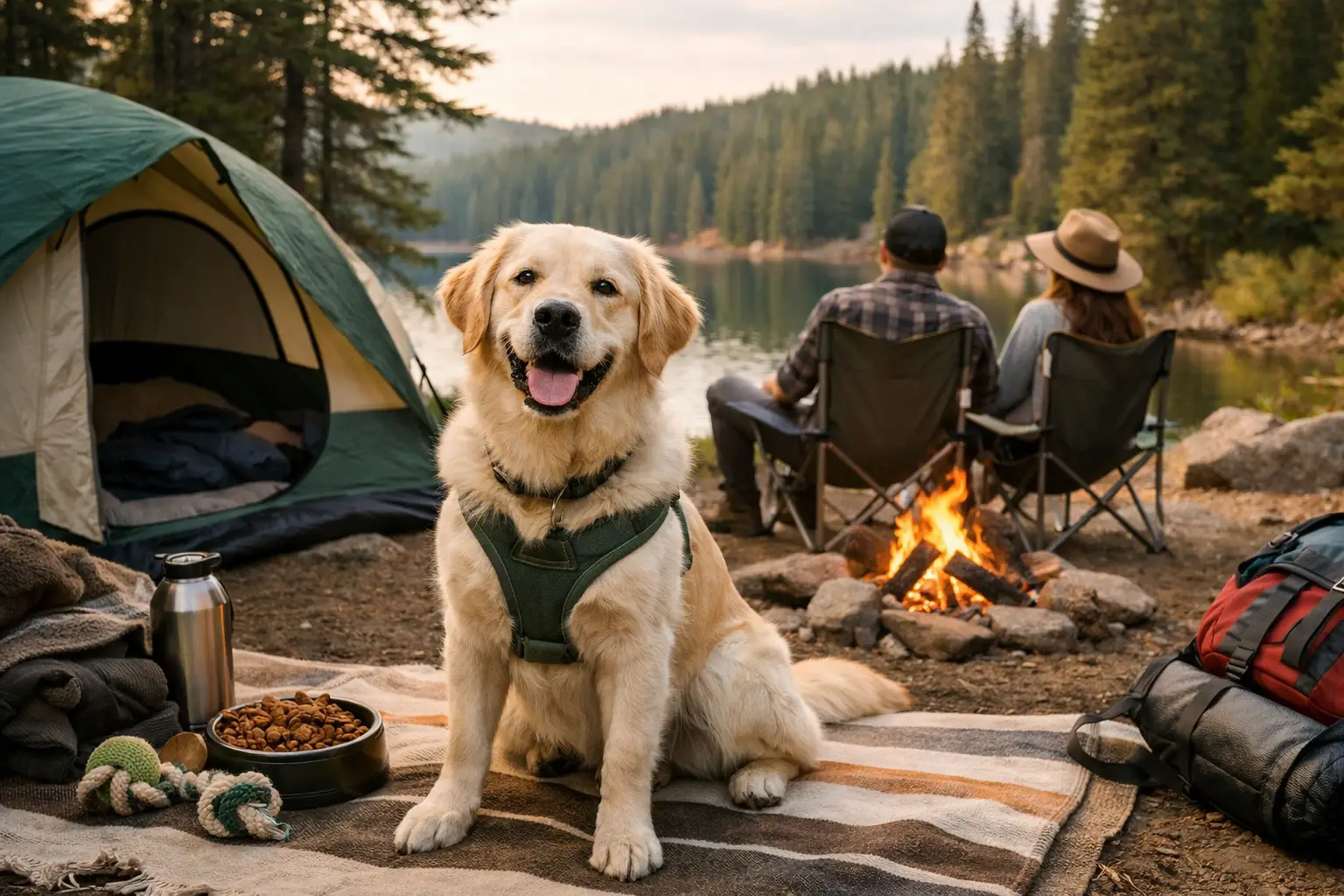
Bringing kids or dogs? Good news
Beginner kayak camping gets much easier when the destination is built for normal humans, not just outdoor die-hards.
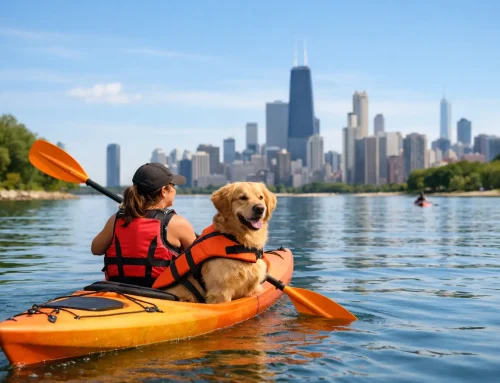
Families usually need clear directions, easy water, bathrooms nearby, and enough support that parents do not have to invent the whole trip from scratch. Dog owners need the same thing, plus a place where four-legged campers are actually welcome and not treated like a problem. Dog friendly camping and kayaking works best when the plan is simple, the access is easy, and everybody has room to settle in.
The trade-off is that family-friendly spots tend to be more structured. That is a good thing for most first-timers. Less uncertainty means more fun. If your goal is a smooth first experience, structure beats guesswork every time.
Common beginner mistakes to skip
The biggest mistake is treating a first kayak camping trip like a test of toughness. It is not. Keep the route short, pack light, and choose the version of camping that sounds enjoyable, not impressive.
The second mistake is underestimating weather. Hot afternoons, cool evenings, bright sun, and sudden wind can all show up on the same trip. Check the forecast, then pack one layer warmer than your optimistic self wants to believe you need.
The third is trying to wing everything. A place with rentals, guidance, maps, and campground support takes so much pressure off beginners. That is a big reason people book at https://www.kayakstarvedrock.com – it turns a maybe-someday idea into a weekend that actually happens.
Why this kind of trip keeps winning people over
There is something satisfying about a getaway that does not require expert skills, a six-hour drive, or months of planning. You can paddle flatwater, camp on the river, wake up outside, and still head home feeling rested instead of wrecked.
That is the sweet spot for beginners. You get real adventure, but in a controlled, confidence-building format. It feels active without feeling intense.
If you have been curious about Illinois river camping but assumed kayak camping was only for serious paddlers, start smaller and smarter. Pick the easy version first. The river will still feel big, the air will still feel better than the city, and your first night by the water will do what good weekends are supposed to do – remind you that getting outside does not have to be complicated to be memorable.
A great first trip should leave you thinking, “We can absolutely do that again,” and that is the best sign you planned it right.