Starved Rock Hiking Trail Difficulty Explained
Hiking at Starved Rock State Park offers a diverse range of trails, each with varying levels of difficulty, making it essential for hikers to understand what to expect. This guide will delve into the different difficulty levels of the hiking trails, helping you choose the right path based on your experience and fitness level. Whether you’re a beginner looking for a family-friendly hike or an experienced adventurer seeking a challenge, knowing the trail difficulty can enhance your outdoor experience. We will explore how trail ratings are determined, the best trails for different skill levels, and how to effectively use the Starved Rock trail map for planning your hike. Additionally, we will discuss the benefits of kayaking and camping to complement your hiking adventure.
What Are the Different Difficulty Levels of Starved Rock Hiking Trails?
Starved Rock State Park features a variety of hiking trails, each rated according to its difficulty level. Understanding these ratings is crucial for selecting a trail that matches your skill and comfort level. The trails are categorized into beginner, intermediate, and advanced levels, allowing hikers to choose based on their experience and physical capabilities.
This table illustrates the differences in trail difficulty, helping you make an informed decision about which trail to explore.
How Are Trail Difficulty Ratings Determined at Starved Rock?
Trail difficulty ratings at Starved Rock are determined by several factors, including trail length, elevation gain, and terrain conditions. The park employs a standardized rating system that considers user feedback and trail maintenance reports. For instance, trails with steep inclines or rugged terrain are rated as more difficult, while those that are flat and well-maintained are considered easier. This system ensures that hikers can gauge the challenges they may face on their journey.
This approach to rating aligns with broader research on developing comprehensive systems for assessing hiking trail difficulty and providing personalized recommendations.
Hiking Trail Difficulty Assessment & Personalized Recommendations
In most hiking information maps and interactive applications, there is usually not enough information about difficulty points or the granularity level required to provide tailored recommendations to hikers with physical or psychological limitations. In this paper, we present Syris, a geo-information system for hiking itineraries that incorporates Points-Of-Difficulty to assess the level of effort, technique, and risk of hiking trails. The system allows users to filter itineraries and obtain recommendations based on the assessment of difficulty following a well-established methodology.
A platform for difficulty assessment and recommendation of hiking trails, JP Calbimonte, 2021
Which Trails Are Best for Beginners, Families, and Experienced Hikers?
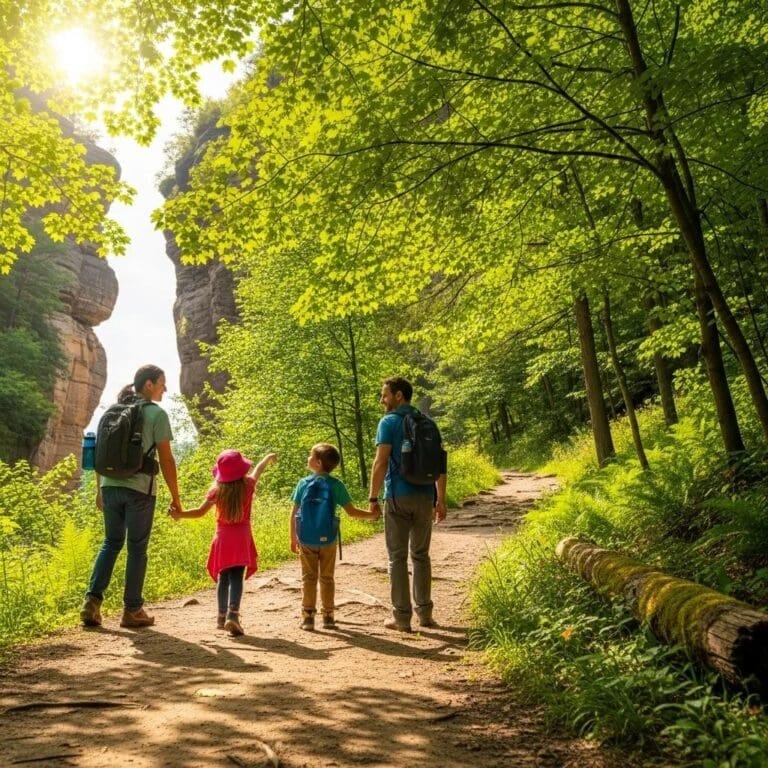
For beginners and families, trails like St. Louis Canyon and the River Trail are ideal due to their manageable lengths and gentle slopes. These trails offer scenic views without overwhelming novice hikers. On the other hand, experienced hikers may prefer trails such as LaSalle Canyon, which presents more significant challenges with its steep elevation and longer distances. By understanding the trail ratings, hikers can select paths that align with their abilities and preferences.
How Can You Use the Starved Rock Trail Map to Plan Your Hike?
Utilizing the Starved Rock trail map is essential for effective hike planning. The map highlights key features such as trail intersections, elevation changes, and points of interest, allowing hikers to navigate the park confidently.
What Key Features Does the Trail Map Highlight?
The trail map provides crucial information, including elevation profiles that indicate the steepness of various sections. It also marks important landmarks, rest areas, and potential hazards, ensuring that hikers are well-prepared for their journey. Familiarizing yourself with these features can enhance your hiking experience and help you avoid unexpected challenges.
How Do Trail Length and Elevation Affect Your Route Choice?
When planning your hike, consider both the trail length and elevation gain. Longer trails with significant elevation changes may require more time and energy, making them suitable for more experienced hikers. Conversely, shorter trails with minimal elevation are better suited for families and beginners. Understanding these factors can help you choose a route that matches your fitness level and time constraints.
What Should You Know About Starved Rock Trail Lengths and Elevation Gains?
Trail lengths and elevation gains are critical components of the hiking experience at Starved Rock. Each trail offers unique challenges and rewards, making it essential to understand what to expect.
Which Trails Offer the Shortest and Longest Hikes?
For those looking for a quick hike, the St. Louis Canyon trail is a great option at just 1.5 miles. In contrast, the LaSalle Canyon trail offers a more extended adventure at approximately 3 miles, providing a more immersive experience in nature. Knowing the lengths of these trails can help you plan your day effectively.
How Does Elevation Impact Trail Difficulty and Hiking Experience?
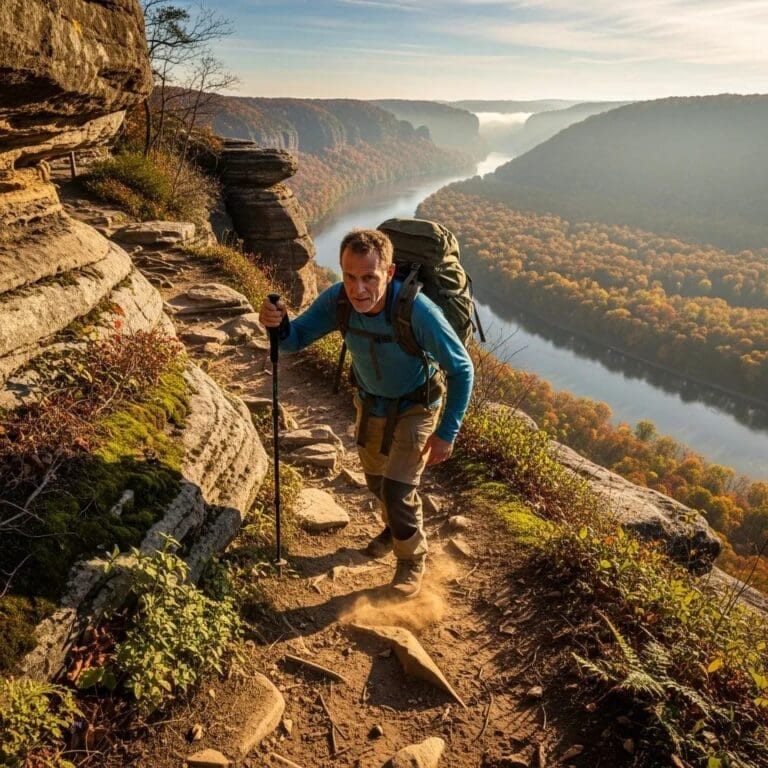
Elevation gain significantly impacts trail difficulty and the overall hiking experience. Trails with higher elevation gains often present more strenuous challenges, requiring greater physical effort. For example, the LaSalle Canyon trail, with its 400 feet of elevation gain, offers a rewarding view at the summit but demands more stamina from hikers. Understanding how elevation affects difficulty can help you prepare adequately for your hike.
Indeed, research further emphasizes that factors like distance, elevation, and overall complexity are crucial in defining a trail’s true difficulty.
Trail Difficulty Factors: Distance, Elevation, Complexity
, vary widely in distance, cumulative elevation gain, technical difficulty, and complexity. This analysis contrasts, for each course, the relationship between course spatial resolution
How fractal complexity distorts distance and elevation gain in trail and mountain running: the case for course measurement standardization, R Sanchez, 2025
What Do Starved Rock Trail Reviews Reveal About Hiking Experiences?
Visitor reviews provide valuable insights into the hiking experiences at Starved Rock. These reviews often highlight common themes regarding trail conditions, scenery, and overall enjoyment.
What Are Common Visitor Comments on Trail Difficulty and Scenery?
Many visitors comment on the breathtaking scenery and the varying difficulty levels of the trails. Reviews often mention the stunning views from the higher elevations and the accessibility of easier trails for families. This feedback can guide new hikers in selecting trails that match their expectations and abilities.
How Can Reviews Help You Choose the Right Trail for Your Skill Level?
By reading reviews, hikers can gain insights into the experiences of others, helping them choose trails that align with their skill levels. Reviews often include tips on what to expect regarding trail conditions, making them a valuable resource for planning your hike.
This aligns with studies that explore the relationship between perceived trail difficulty and a hiker’s self-assessed skill level.
Perceived Trail Difficulty & Skill Level Assessment
(1) the perceived trail difficulties between different groups and (2) differences between self-assessed skill-level and actually manageable maximum grade of difficulty. Participants (n =
Self-assessment of riding skills and perception of trail difficulty in mountain biking-An investigation within the German-speaking mountain biking community, 2022
How Can Kayaking and Camping Enhance Your Starved Rock Hiking Adventure?
Incorporating kayaking and camping into your Starved Rock experience can significantly enhance your adventure. These activities provide additional opportunities for exploration and relaxation, making your visit more memorable.
To further enhance your visit, consider exploring the waterways with kayaking. This offers a unique perspective of the park’s natural beauty and is an excellent complement to hiking.
What Guided Kayak Tours and Rentals Are Available Near the Trails?
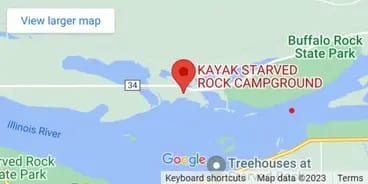
Kayak Starved Rock Campground offers guided kayak tours and rentals, allowing visitors to explore the park’s waterways. These tours provide a unique perspective of the park’s natural beauty and are an excellent complement to hiking. Engaging in both hiking and kayaking can create a well-rounded outdoor experience.
How Do Camping Options Complement Your Hiking Plans?
Camping at Starved Rock allows hikers to extend their adventures and immerse themselves in nature. The campground offers various accommodations, from tent sites to cabins, providing options for all types of campers. Staying overnight can enhance your hiking experience by allowing you to explore the trails at your leisure and enjoy the tranquility of the park after hours.
What Safety and Accessibility Tips Should You Keep in Mind on Starved Rock Trails?
Safety and accessibility are paramount when hiking at Starved Rock. Being prepared can help ensure a safe and enjoyable experience for all visitors.
How Can You Prepare for Varying Trail Difficulties and Weather Conditions?
To prepare for varying trail difficulties, it’s essential to wear appropriate hiking gear and carry necessary supplies, such as water, snacks, and a first-aid kit. Additionally, checking the weather forecast before your hike can help you dress appropriately and plan for any potential changes in conditions.
Are the Trails Dog Friendly and Suitable for All Visitors?
Many trails at Starved Rock are dog-friendly, but it’s important to keep pets on a leash and clean up after them. Accessibility varies by trail, so checking specific trail conditions and accessibility features can help ensure a pleasant experience for all visitors, including those with mobility challenges.
Frequently Asked Questions
What Should I Bring on a Hike at Starved Rock?
When hiking at Starved Rock, it’s essential to pack the right gear to ensure a safe and enjoyable experience. Bring plenty of water to stay hydrated, especially on warmer days. Snacks or energy bars can help maintain your energy levels. Wear appropriate footwear, such as sturdy hiking boots, to navigate various terrains. Additionally, consider bringing a first-aid kit, sunscreen, and a map of the trails. A camera or smartphone is also great for capturing the stunning scenery along the way.
Are There Any Seasonal Considerations for Hiking at Starved Rock?
Yes, seasonal changes can significantly impact hiking conditions at Starved Rock. In spring, trails may be muddy due to melting snow and rain, while summer offers lush greenery but can be hot and humid. Fall provides beautiful foliage, but be cautious of slippery leaves. Winter hiking can be challenging due to snow and ice, so proper gear is crucial. Always check trail conditions and weather forecasts before heading out, as some trails may close during extreme weather.
Can I Go Hiking Alone at Starved Rock?
While hiking alone at Starved Rock is possible, it’s generally recommended to hike with a partner or group for safety reasons. If you choose to hike solo, inform someone of your plans, including your intended route and expected return time. Carry a fully charged phone for emergencies and consider using a GPS device or map. Always stay aware of your surroundings and trust your instincts. If a trail feels too challenging or unsafe, it’s best to turn back.
What Wildlife Might I Encounter While Hiking?
Starved Rock State Park is home to a variety of wildlife, including deer, foxes, and numerous bird species. While hiking, you may also spot smaller animals like rabbits and squirrels. It’s important to observe wildlife from a distance and not to feed them, as this can disrupt their natural behavior. Be cautious of ticks and other insects, especially in warmer months. Wearing long sleeves and using insect repellent can help protect you from bites.
Are There Restrooms Available Along the Trails?
Yes, there are restroom facilities available at various points in Starved Rock State Park, including near the visitor center and parking areas. However, restrooms may not be located directly on all trails, so it’s advisable to plan your hike accordingly. If you’re hiking on longer trails, consider using the facilities before you start. Always carry out any personal waste to maintain the park’s cleanliness and preserve its natural beauty.
What Are the Best Times to Visit Starved Rock for Hiking?
The best times to visit Starved Rock for hiking are typically during the spring and fall months. Spring offers blooming wildflowers and moderate temperatures, while fall showcases vibrant foliage. Weekdays are generally less crowded than weekends, providing a more peaceful hiking experience. Early mornings or late afternoons can also be ideal for avoiding peak visitor times and enjoying cooler temperatures. Always check for any park events or closures that may affect your visit.