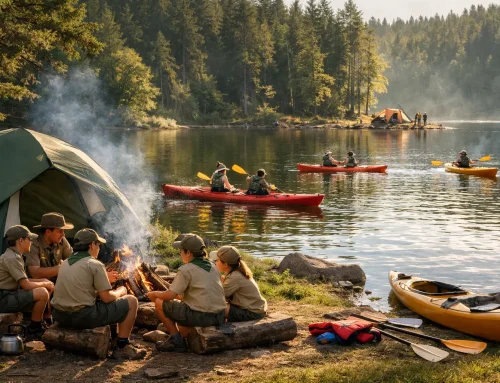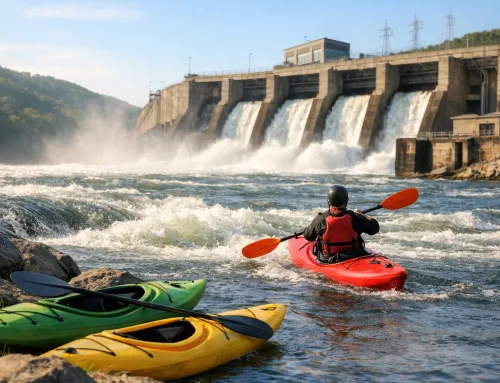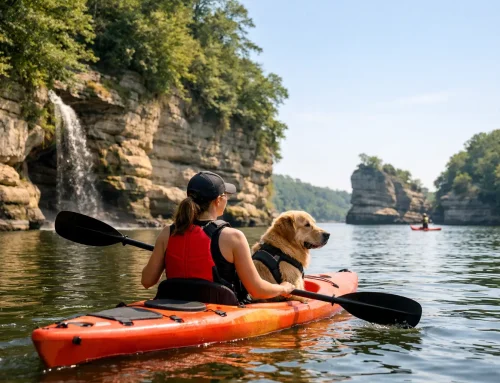
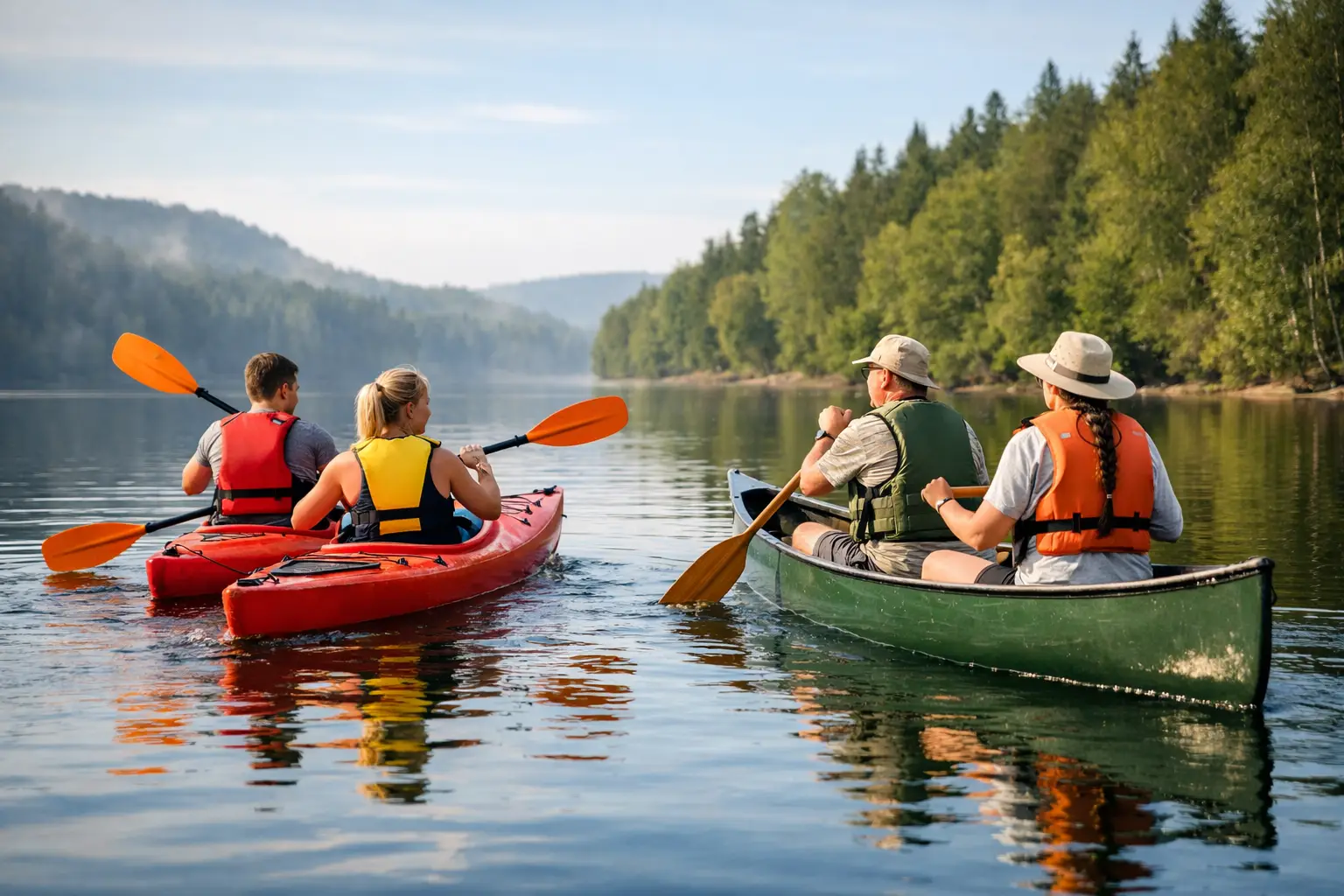
You do not need to become an “outdoors person” overnight to enjoy your first paddle. If you are weighing kayaking vs canoeing for beginners, the real question is simpler: which one will feel more comfortable, less stressful, and more fun for your kind of day outside?
For most first-timers, the answer is kayaking. It feels more intuitive, especially on calm flatwater, and it gives you a stronger sense of control right away. Canoeing still has plenty going for it, especially for families, relaxed float days, and anyone who wants extra room for gear, kids, or a dog. But if your goal is to show up, get a quick safety talk, put on your PFD, and start enjoying the scenery without overthinking your paddle strokes, kayaking usually wins.
Kayaking vs canoeing for beginners: what changes on the water?
The biggest difference is how the boat feels around your body. In a kayak, you sit lower with your legs in front of you, and that lower position often makes beginners feel secure. In a canoe, you sit higher or kneel, and the open design can feel roomy and flexible, but sometimes a little less locked-in.
Your paddle changes the experience too. Kayaks use a double-bladed paddle, so you alternate left and right without switching your grip. Canoes usually use a single-bladed paddle, which takes a bit more technique to keep the boat going straight. That does not make canoeing hard, but it can make your first 15 minutes feel less natural if nobody has shown you the basics.
There is also a mindset difference. Kayaking tends to feel active and easy to steer. Canoeing tends to feel slower, more open, and more social. Neither is better in every situation. It depends on whether you want nimble control or laid-back space.
Why beginners usually find kayaking easier
If you have never paddled before, small wins matter. A boat that tracks well, turns when you expect it to, and does not make you wonder what to do with the paddle every five seconds can turn nerves into confidence fast.
That is where kayaking shines. The seated position is straightforward. The double-bladed paddle makes sense almost immediately. And on calm water, many first-timers feel comfortable within minutes instead of needing half the outing to figure things out.
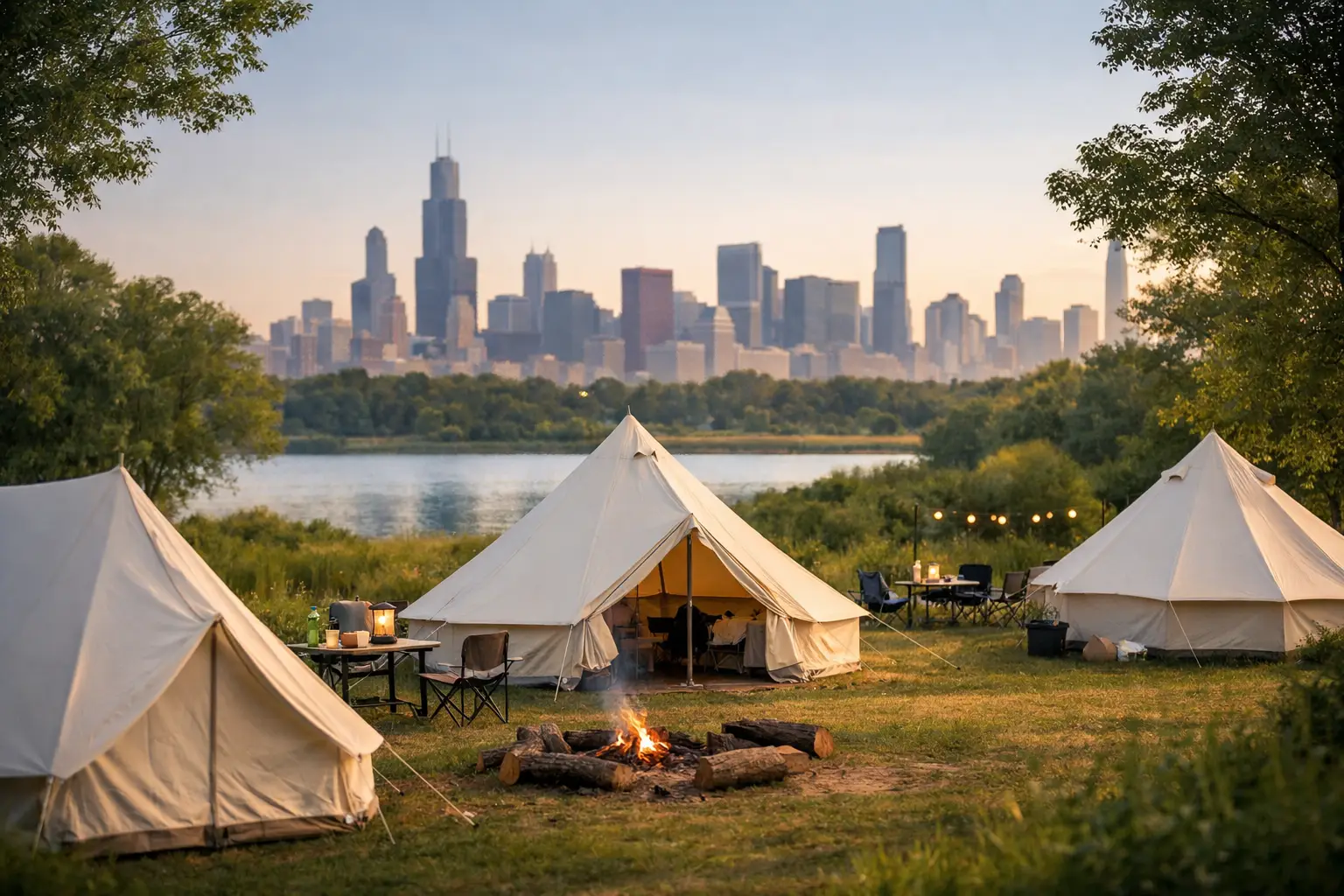
This is especially true for casual paddlers planning a day trip near Chicago, not a wilderness expedition. Most people are not looking to perfect technique. They want a fun, low-friction experience with nice views, a few laughs, and enough confidence to say, “We should do that again.” Kayaking is built for that kind of first outing.
On flatwater, beginner kayaks also tend to feel stable in a reassuring way. You are close to the water, but not in a wobbly, tippy panic mode. For a lot of people, that first sense of control is what makes the whole activity click.
When canoeing makes more sense
Canoeing has one major advantage that beginners notice immediately: space. If you are bringing a cooler, extra layers, snacks for kids, or supplies for a relaxed campground weekend, a canoe gives you more room to spread out.
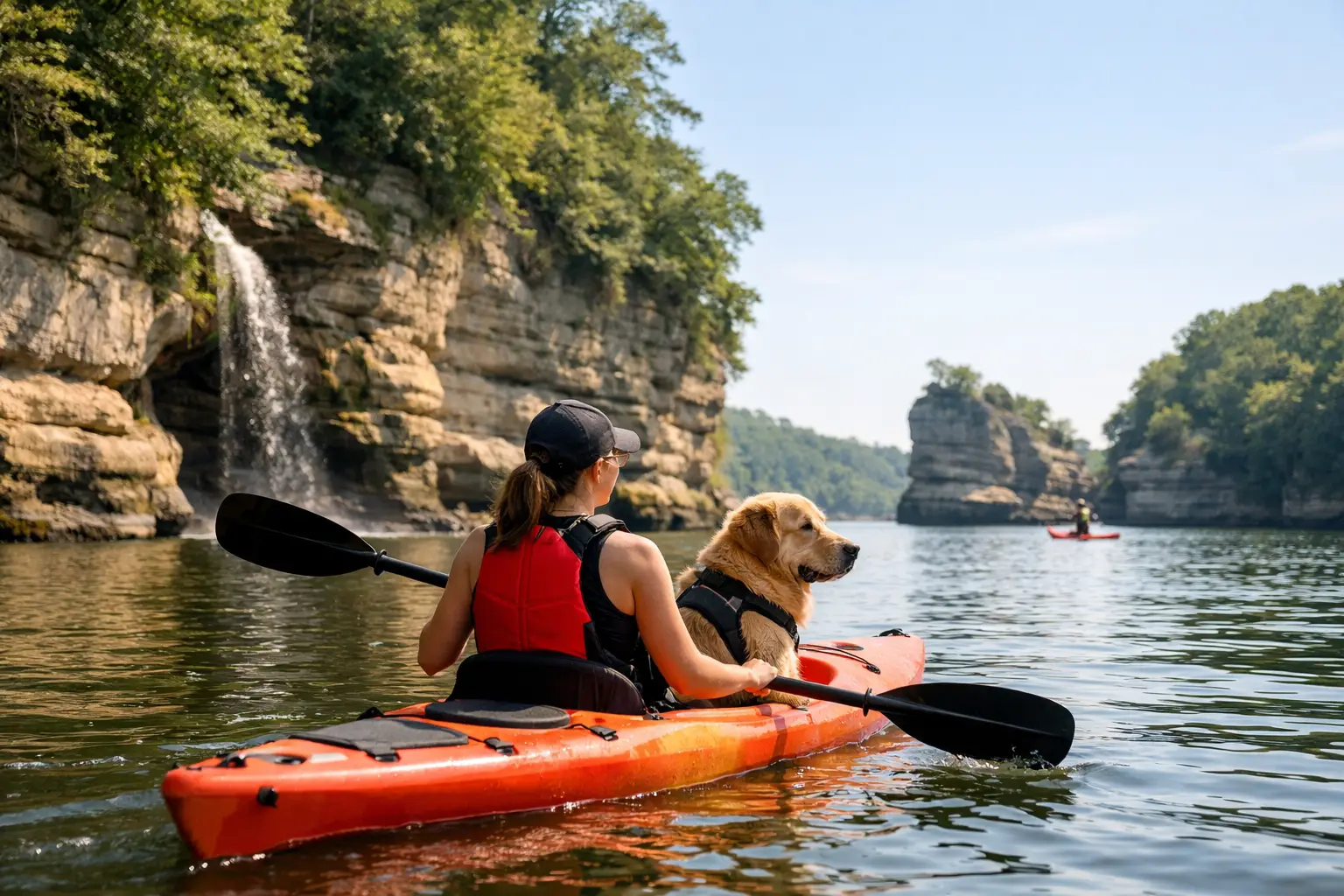
It can also be a great choice for pairs who want to paddle together without feeling tucked into separate cockpits. Families with young children often like the open setup, and some dogs are much happier in a canoe where they can shift around a bit and stay close to their people.
That said, more space does not always mean easier. An open canoe can catch wind more than a kayak, and keeping it moving straight takes a little teamwork. If one person paddles harder than the other, you may spend part of the trip gently zigzagging. That can be funny and totally fine on a relaxed outing, but it is worth knowing ahead of time.
So if your priority is carrying capacity and a roomy feel, canoeing can be the better beginner choice. If your priority is quick confidence and easy handling, kayaking usually has the edge.
Kayaking vs canoeing for beginners with kids, dogs, or groups
This is where “it depends” really matters.
For solo beginners, kayaking is almost always the easier starting point. You are fully in charge of your own boat, your own pace, and your own learning curve. There is no need to coordinate strokes with someone else, and that simplicity lowers stress right away.
For couples, tandem kayaking or canoeing can both work, but they create different vibes. Tandem kayaks usually feel a little more structured and easier to control. Canoes feel more open and conversational, which some people love. If one person is nervous and the other wants the most beginner-friendly setup possible, tandem kayaking often feels smoother.
For families with small kids or a calm dog, canoeing can be appealing because of the extra room. Still, calm water matters a lot here. A beginner-friendly flatwater setting with shallow water, clear direction, and PFD requirements can make either option feel much more manageable.
For friend groups, separate kayaks are often the easiest way to keep everyone happy. Strong paddlers can move at their own pace, nervous first-timers can take it slow, and nobody gets stuck negotiating every stroke. There is a reason so many first paddle trips lean toward kayaks.
Which one feels safer?
The honest answer is that safety depends less on kayak versus canoe and more on conditions, equipment, and support. Calm flatwater is different from moving water. Good instruction is different from “here’s a boat, good luck.” And a properly fitted PFD is not optional in any beginner setup.
That said, kayaks often feel safer to beginners because they are easier to control from the start. Feeling in control reduces panic, and reduced panic leads to better decisions. If you know how to stop, turn, and paddle straight without much effort, you are more likely to relax and enjoy yourself.
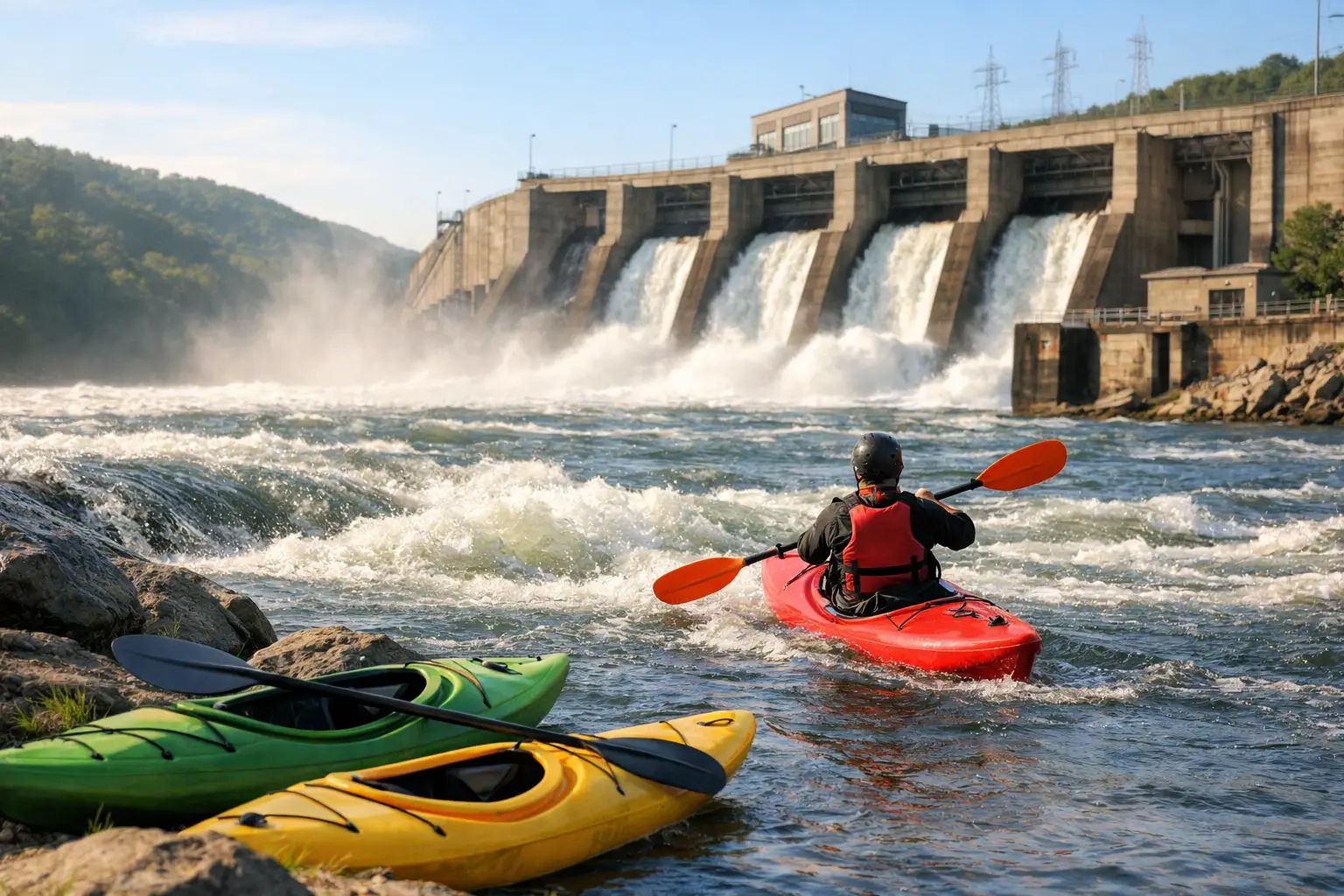
Canoes are safe too, but they ask for a little more balance and coordination, especially with two paddlers. Nothing dramatic – just more teamwork. On a calm, dam-controlled river environment with no current and shallow depths, that learning curve feels much gentler than it would on bigger or faster water.
For true first-timers, guided instruction can make a huge difference no matter which boat you choose. A quick launch talk, on-water pointers, and a route that is designed for beginners can turn uncertainty into a really good day.
Comfort matters more than most people expect
A lot of beginners assume the sportier-looking option must be harder. Not necessarily. In practice, comfort is personal.
Some people love the snug, supported feel of a kayak seat and the simplicity of a double-bladed paddle. Others prefer the open room of a canoe where they can shift positions more easily. If you have knee issues, lower back sensitivity, or just do not love sitting in one position for long, your body may have a strong opinion before your brain does.
Trip length matters too. For a short scenic outing, almost anyone can enjoy either boat. For a longer day that includes breaks, photos, snacks, and just floating around, canoeing’s extra space can start to look pretty attractive. For a more active paddle where you want to cover water efficiently, kayaking usually feels better.
The best first choice for most people near Starved Rock
If you are planning a first paddle as part of a simple day trip or weekend escape, start with kayaking unless you have a clear reason to choose a canoe. It is easier to learn, easier to control, and easier to enjoy right away.
That is one reason flatwater kayaking has become such a popular first adventure for people coming from Chicago and Northern Illinois. You do not need special skills, elite fitness, or a giant planning spreadsheet. You need calm conditions, beginner-friendly equipment, a required PFD, and a setting that makes you feel taken care of. That combination lets the fun show up fast.
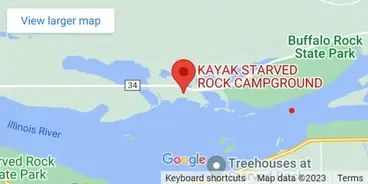
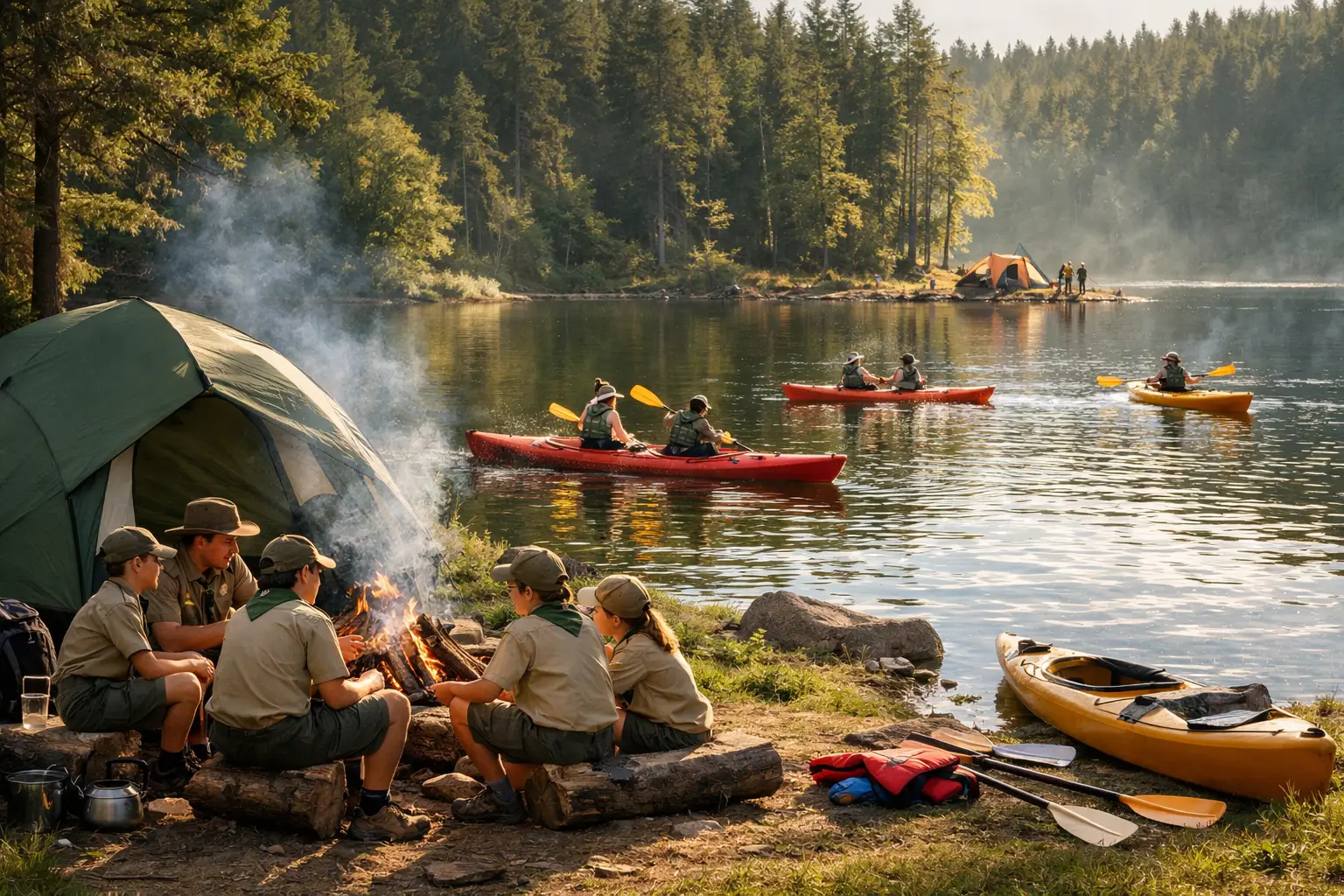
At a place like Kayak Starved Rock Campground, where the water is beginner-friendly and the whole experience is designed to remove friction, kayaking makes a lot of sense as the default starting point. You can pair it with a day trip, a waterfront campsite, or a relaxed overnight without turning the weekend into a survival challenge.
So, kayaking or canoeing?
Choose kayaking if you want the easiest learning curve, more direct control, and the best odds of feeling confident within the first few minutes. Choose canoeing if you want extra room, a more open setup, or a better fit for kids, dogs, and gear-heavy outings.
Either way, the best beginner boat is the one that matches your comfort level and puts you on calm water with good support. Your first paddle should feel fun, not like a test. Start there, and the rest gets a lot easier.