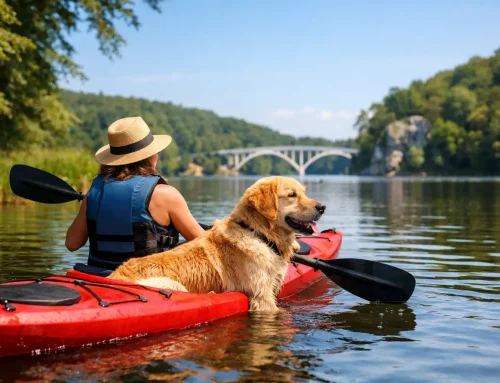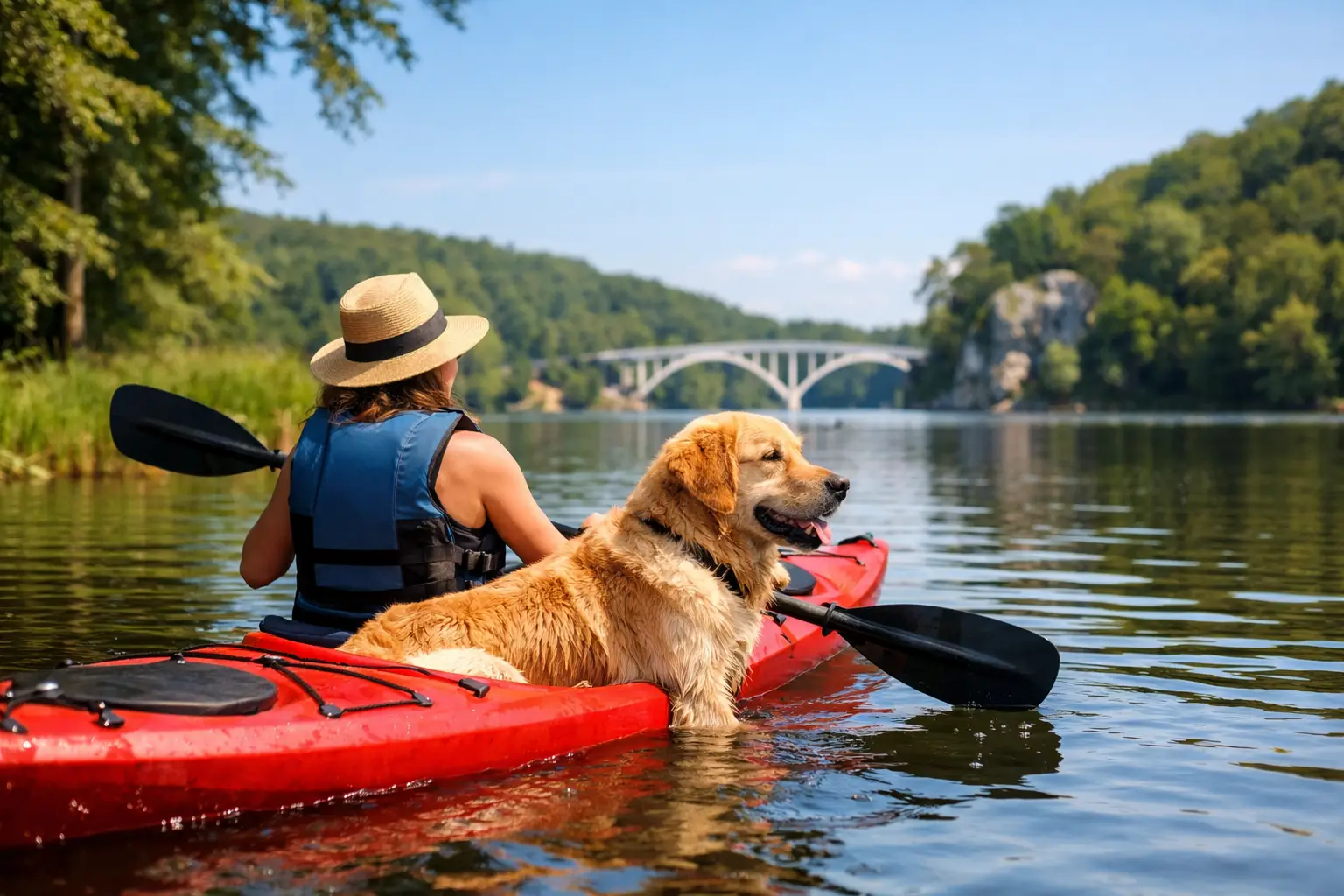
The first time your dog stands up in a kayak and gives you that proud, full-captain look, it is adorable right up until the boat wobbles. That is usually the moment people realize how to kayak with a dog safely is less about luck and more about setup, training, and choosing the right water.
The good news is that plenty of dogs can become great paddling buddies. You do not need an elite adventure dog or years of kayaking experience. You do need realistic expectations, a properly fitted dog life jacket, and a calm place to practice. For most first-timers, the safest trips are short, flatwater outings where you can focus on your dog instead of fighting current, waves, or a complicated route.
How to kayak with a dog safely starts before the water
A safe dog-friendly paddle begins on land. If your dog is anxious around new surfaces, hates wearing gear, or treats every squirrel sighting like a personal emergency, fix that part before you launch.
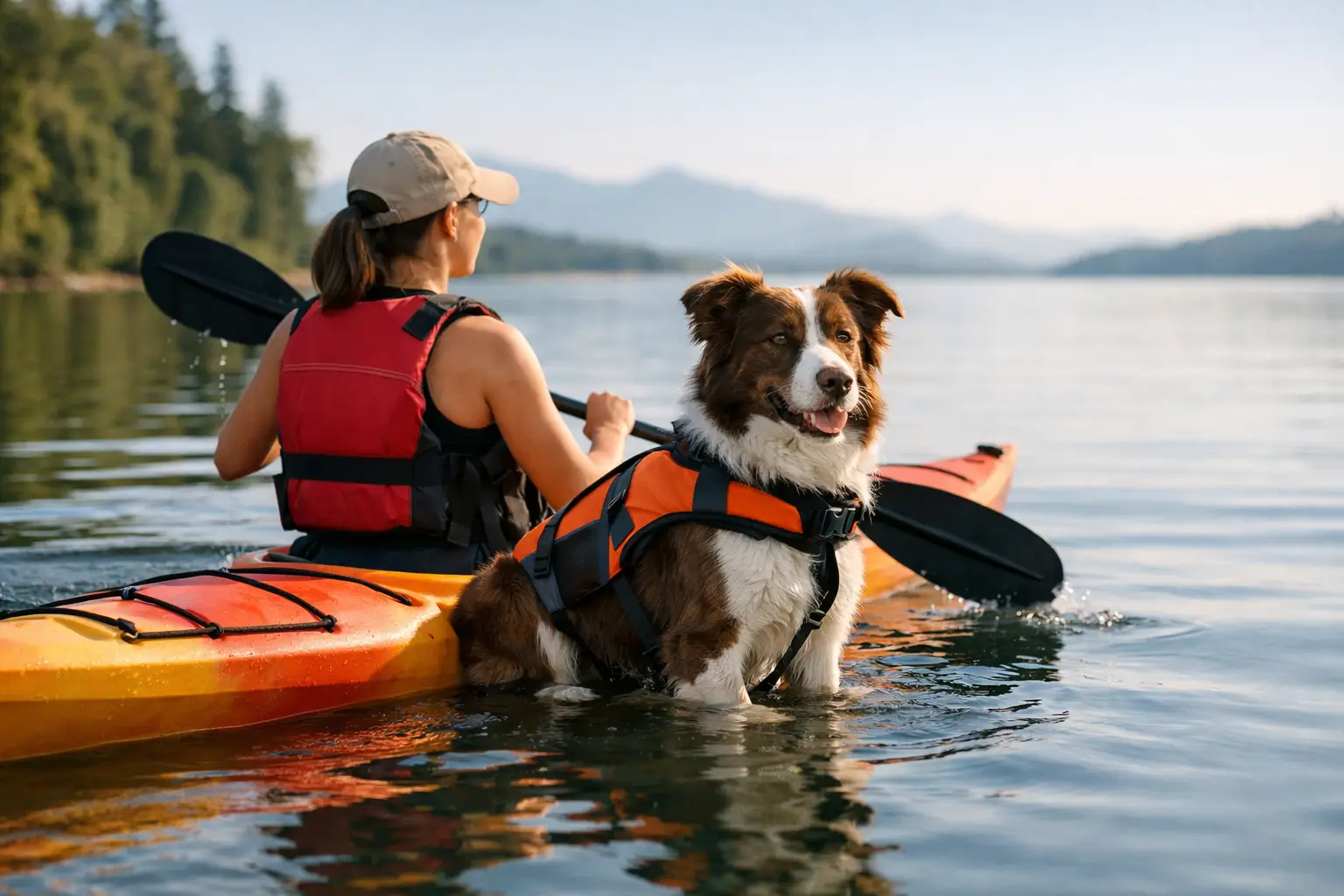
Start with the life jacket. Your dog should wear it before the trip, not for the first time at the shoreline while you are trying to hold a paddle and a leash. Let them walk around in it at home, give treats, and make it boring. A dog PFD should fit snugly without rubbing, and it needs a sturdy grab handle on top. That handle matters if you need to help your dog back into the kayak or guide them through a dock or shoreline launch.
Then introduce the boat on dry ground. Put the kayak in the yard, driveway, or campground and let your dog sniff it, step in, step out, and settle on a towel or pad where you want them to ride. Reward calm behavior. If your dog cannot relax in a stationary kayak, the water is not going to improve their decision-making.
The other pre-launch question is simple but important: should your dog come at all? Some dogs love water but hate confinement. Some are calm on land and overstimulated on the river. Very young puppies, senior dogs with mobility issues, and dogs with extreme anxiety may be better off enjoying a dog friendly campsite while you paddle in shifts.
Pick beginner-friendly water, not a brag-worthy route
This is where a lot of people overestimate both themselves and their dog. A long paddle with current, motorboat traffic, steep banks, or cold deep water may sound exciting, but it adds risk fast. Dogs move unpredictably. New paddlers do too. Put those together and calm, controlled conditions start looking pretty smart.
Flatwater is your friend. Shallow areas near shore are even better for practice because they give you room to reset if your dog gets restless. That is one reason beginner paddlers often do best in places built for first-timers, families, and dog-friendly outings instead of choosing a remote route and hoping for the best.
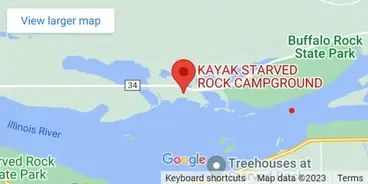
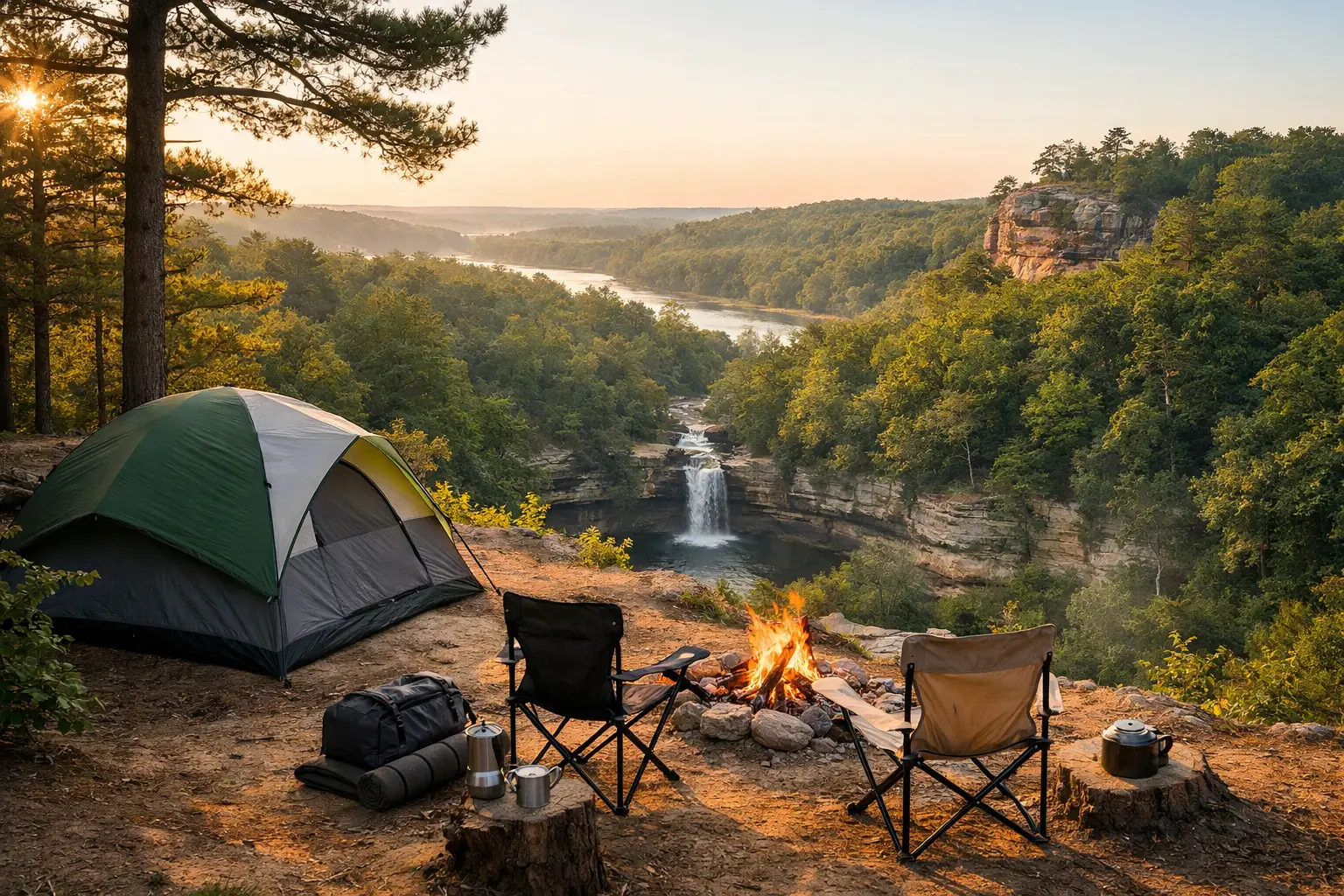
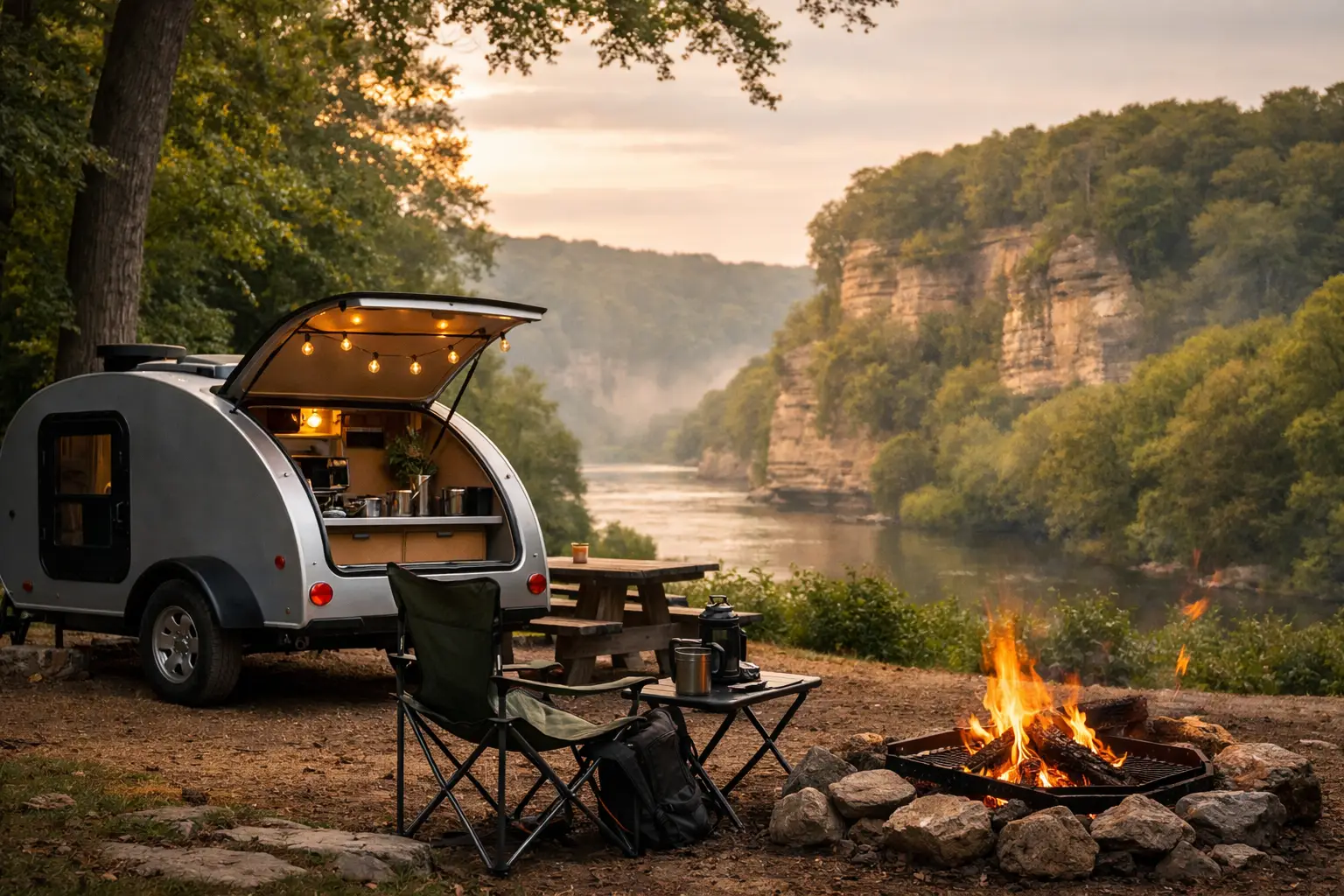
If you are planning a weekend near Starved Rock, look for a setup that keeps logistics easy. Less stress at the launch usually means a better trip for everyone. A short paddle paired with waterfront camping is often the sweet spot because your dog can burn off energy before and after the kayak instead of trying to store all that enthusiasm in one tiny boat.
The right gear makes the whole trip easier
You do not need a mountain of equipment, but a few things make a big difference.
Your dog needs a life jacket every time. Not because every dog is a bad swimmer, but because swimming skill and on-water safety are not the same thing. A dog that can swim in a backyard pool may panic in open water, struggle in wind, or tire faster than you expect.
For the kayak itself, stability matters more than speed. A wider recreational kayak is usually easier for dog paddling than a narrow performance boat. Tandem kayaks can work well if one paddler is experienced and there is clear space for the dog to sit or lie down, but a cramped cockpit can create problems. You want your dog to have one designated spot, ideally on a non-slip surface like a towel, foam pad, or kayak mat.
Bring water for your dog, a collapsible bowl, waste bags, and a leash for shore only. On the water, avoid clipping your dog to the kayak. If the boat flips, a tether can create a dangerous entanglement. A leash should help with launch and landing, not turn into a hazard during a capsize.
Dry bags are also worth it when paddling with a dog. Wet paws, shaking fur, and surprise splashes happen. Pack a towel and keep your phone, keys, and car ride-home clothes protected.
Launch like you are setting the tone for the whole trip
Dogs pick up your energy fast. If launch feels chaotic, they will act chaotic.
Take a short walk first so your dog is not beginning the trip at peak zoomies. Let them sniff, drink water, and settle. Load the kayak before the dog gets in, not after. Then guide them to their spot and reward calm behavior. Keep your voice relaxed and your movements slow.
For many beginners, the easiest method is getting one person seated and stable first, then helping the dog in, then pushing off gently. If you are solo, use a calm shoreline launch instead of a wobbly dock whenever possible. The less dramatic the first thirty seconds are, the more likely your dog is to relax and stay put.
Do not start with a two-hour paddle. Start with ten or fifteen minutes near shore. If your dog does great, head a little farther. If not, call it a successful practice session and try again another day. Short wins build a better kayak dog than one long stressful trip.
Reading your dog on the water
A comfortable dog looks pretty obvious. Their body is loose, they are looking around without lunging, and they can lie down or sit quietly for stretches of time. That is what you want.
A stressed dog is different. Watch for heavy panting when it is not hot, constant shifting, whining, trembling, trying to climb on you, or fixating on the shoreline like they are planning an escape route. Some dogs also get overstimulated by birds, fish, or passing kayaks and start leaning hard from side to side.
If your dog seems uneasy, shorten the trip. Do not force them to “get used to it” by staying out longer. That usually teaches them that kayaking feels trapped and uncomfortable. Calm, brief outings build confidence much faster.
What if your dog jumps in or the kayak tips?
Plan for this before it happens. Most people stay safer when they expect a wet dog moment at some point.
If your dog jumps out, stay calm and keep hold of your paddle if you can do so safely. Turn the kayak toward your dog and use the handle on the life jacket to guide them alongside the boat. In shallow water, it may be easier to move to shore before attempting a re-entry. In deeper water, some dogs can be helped back in over the side, but that depends on boat stability, dog size, and your own balance. Sometimes the safest move is simply swimming the boat to shore.
If the kayak flips, focus on people and dog first, gear second. A properly fitted PFD helps your dog stay visible and buoyant while you regroup. This is another reason calm, shallow, beginner-friendly water makes such a difference. Mishaps are easier to manage when you are not dealing with strong current or long distances from shore.
A few trade-offs that matter
Not every dog should ride in every kayak, and not every paddler should bring a dog on every outing. Bigger dogs can be wonderful kayak companions, but they need more space and shift more weight. Smaller dogs are easier to fit into the boat, though some are more nervous and reactive.
Weather matters too. A sunny summer paddle sounds perfect until your dog is overheating with no shade. Cold water can be risky even on mild days, especially for short-haired dogs or dogs that fall in and stay wet. Sometimes the best call is choosing an early morning launch, a shorter route, or skipping the paddle and enjoying dog friendly camping instead.
That is also why guided, beginner-focused places can be so helpful. If you are figuring this out for the first time, having calm water, clear launch support, and an easy route removes a lot of unnecessary variables. At Kayak Starved Rock Campground, for example, the beginner-friendly flatwater setting makes it much easier for first-time paddlers and their dogs to have a fun day without turning it into an endurance test.
The goal is not to prove your dog is an action hero. It is to create an outing where both of you feel relaxed, safe, and ready to do it again. Start small, keep the water calm, and let your dog learn that the kayak is just another good place to be beside you.