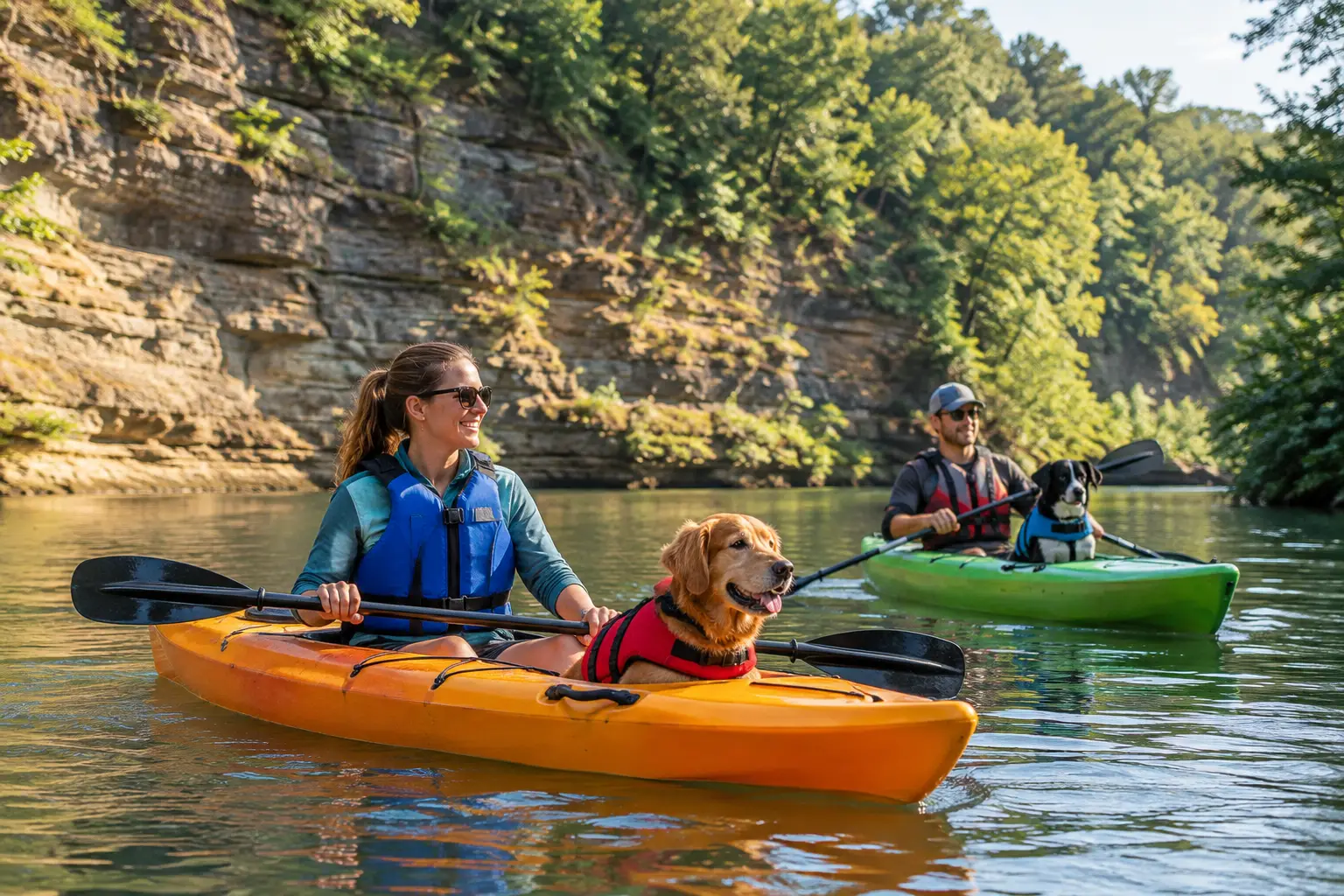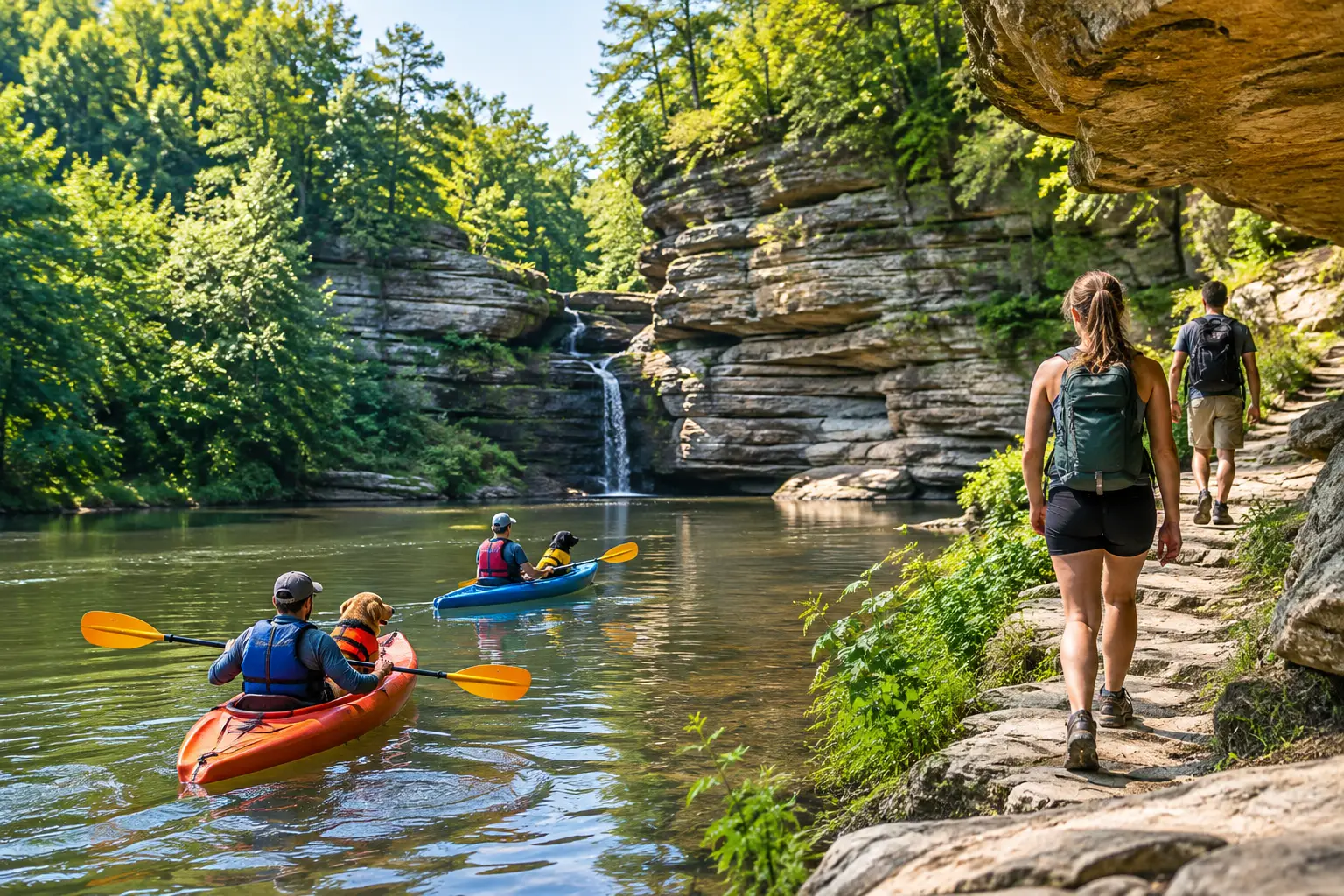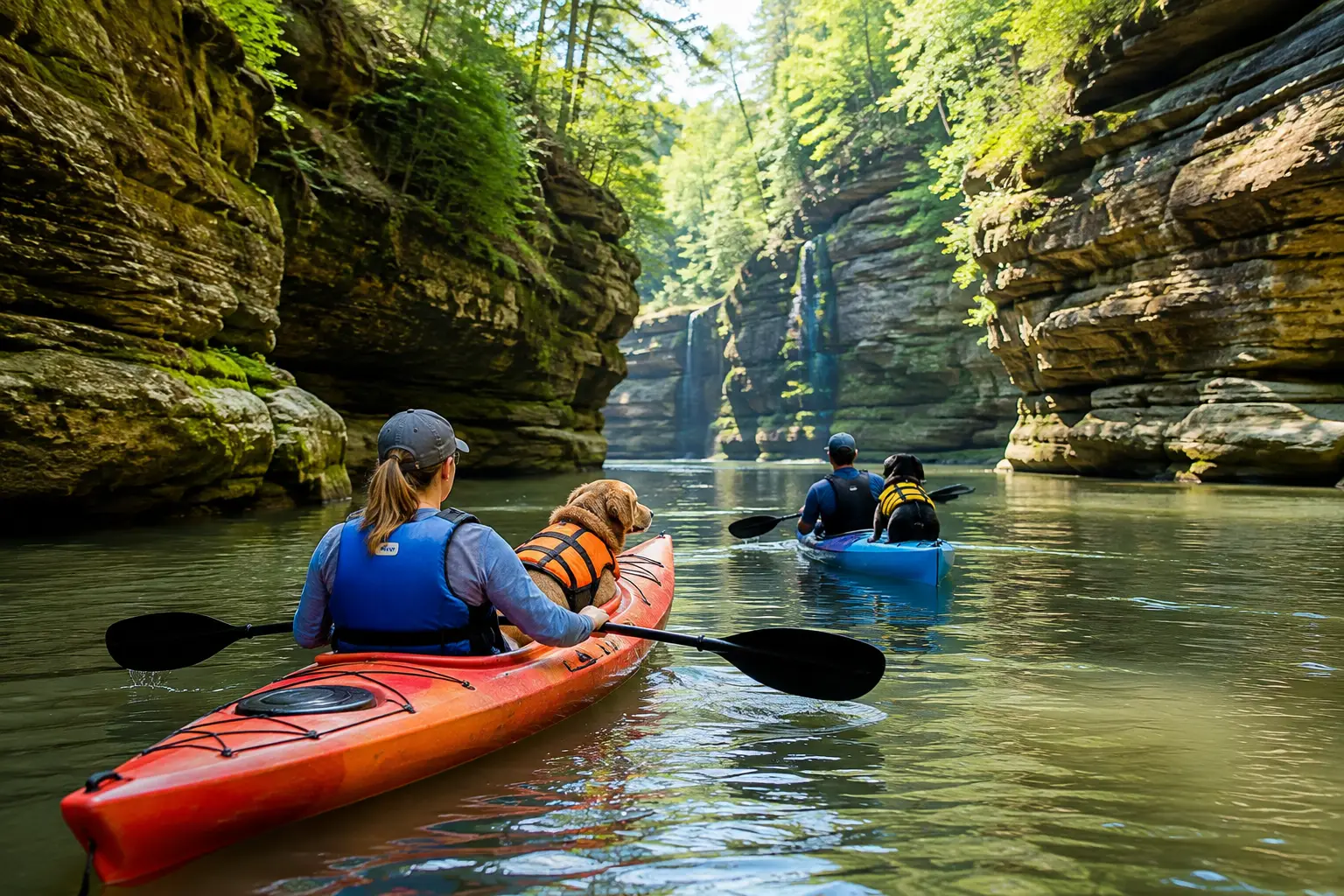
Kayaking is a great way to explore the outdoors, get some exercise, and connect with nature. Whether you are a beginner or an experienced kayaker, choosing the right recreational kayak is essential to ensure a safe and enjoyable experience. In this article, we will discuss the key factors to consider when selecting a recreational kayak.
- Type of Kayak:
There are several types of recreational kayaks, including sit-on-top, sit-in, and inflatable kayaks. Each type of kayak has its advantages and disadvantages. Sit-on-top kayaks are easy to use and provide good stability. They are ideal for beginners and those who want to enjoy calm waters. Sit-in kayaks are more versatile and can be used for a variety of water conditions. They are suitable for intermediate and advanced kayakers. Inflatable kayaks are great for those who have limited storage space or want a portable option for their kayaking adventures.
- Size and Weight:
The size and weight of the kayak are important factors to consider, as they can affect the ease of transport, storage, and maneuverability of the kayak. The length of the kayak affects its speed and tracking ability, while the width affects its stability. A longer and narrower kayak is faster and tracks better, but it may be less stable. A shorter and wider kayak is more stable but may be slower.
- Material:
Kayaks are made from a variety of materials, including plastic, fiberglass, Kevlar, and wood. Plastic kayaks are the most popular because they are affordable, durable, and require minimal maintenance. Fiberglass and Kevlar kayaks are more expensive but are lighter and faster. Wooden kayaks are beautiful and perform well, but they require more maintenance.
- Comfort:
Comfort is crucial when selecting a recreational kayak. Look for a kayak with a comfortable seat, backrest, and footrest. The seat should be adjustable to fit your body size and provide adequate support. The footrest should be adjustable to ensure proper leg position and reduce fatigue.
- Storage:
Storage is another important factor to consider when selecting a recreational kayak. Look for a kayak with enough storage space for your gear and equipment. Some kayaks have built-in storage compartments, while others have bungee cords or mesh netting to hold your gear.
- Price:
Price is always a consideration when purchasing a kayak. Set a budget and look for a kayak that fits your budget while meeting your needs. Remember, a more expensive kayak does not necessarily mean it is the best choice for you.
In conclusion, selecting the right recreational kayak requires consideration of several factors, including the type of kayak, size and weight, material, comfort, storage, and price. By considering these factors, you can find a kayak that meets your needs and provides an enjoyable and safe kayaking experience.
Frequently Asked Questions
What type of recreational kayak is best for beginners?
When should I choose a sit-in kayak instead of a sit-on-top kayak?
Are inflatable kayaks a good option if I have limited storage space?
How do kayak size and width affect speed and stability?
What features should I look for to make a recreational kayak more comfortable?
Last reviewed: 11/12/2026
Key Takeaways
- Sit-on-top kayaks are easy to use and provide good stability, making them ideal for beginners and calm waters.
- Kayak length affects speed and tracking ability, while width affects stability; a longer, narrower kayak is faster, and a shorter, wider kayak is more stable.
- Plastic kayaks are the most popular because they are affordable, durable, and require minimal maintenance, while fiberglass and Kevlar kayaks are lighter and faster.
About the Author

Equal parts adventure seeker and fresh-air enthusiast, I’m happiest when there’s a paddle in my hands, a campfire nearby, and absolutely no cell service. Whether kayaking across a peaceful lake, pitching a tent under the stars, or exploring somewhere new, I’m always up for a little adventure. I believe the best stories come with muddy boots, unforgettable views, and maybe a few questionable decisions involving a campfire meal. Life’s too short to stay indoors!