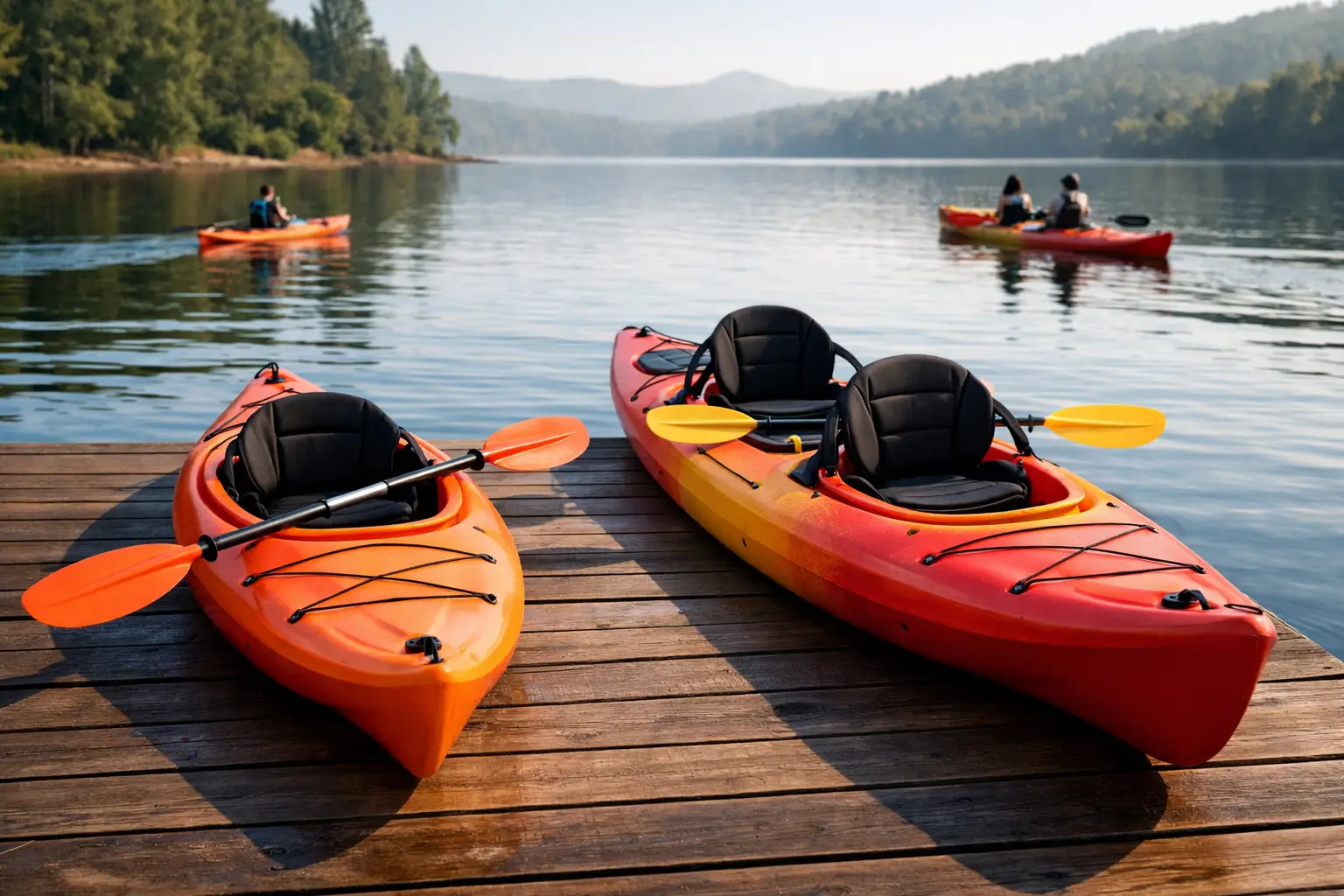
You can save yourself a lot of back-and-forth by answering one simple question before you book: do you want your day on the water to feel independent, or shared?
That is really what this comes down to. People often assume the single kayak is for experienced paddlers and the tandem is for beginners. Sometimes that is true. Plenty of times, it is not. We see couples who have a better time in two singles, and first-timers who absolutely love being in a tandem because it turns the whole trip into a team effort with more laughs and less pressure.
If you are figuring out how to choose single vs tandem kayak for a day trip near Starved Rock, the best choice is usually the one that matches your group dynamic, not your ego.
How to choose single vs tandem kayak for your trip
A single kayak gives each person their own boat, their own paddle rhythm, and their own little pocket of freedom. If you like moving at your own pace, making your own small course corrections, and feeling fully in control, singles are hard to beat. They are great for solo paddlers, friends who do not want to negotiate every turn, and anyone who thinks, very honestly, “I love my partner, but I do not want to take kayaking directions from them.”
A tandem kayak puts two people in one boat. That can be a blast or a test of patience, depending on who is in it and what kind of day you want. Tandems are often a smart pick for one experienced paddler with one nervous beginner, for a parent with a child, or for couples who want a shared adventure instead of two separate ones. They can also make people feel more secure because you are not out there managing everything alone.
Neither option is automatically better. The right answer depends on how you want the experience to feel once you leave shore.
Start with who is paddling
The easiest way to choose is to think about your actual group, not some ideal version of your group.
If you are coming with a friend who likes to race ahead, stop for photos, drift, then paddle again, two single kayaks usually make the day smoother. Each person can settle into their own pace without constant coordination. That freedom matters more than people expect, especially for first-timers who are still getting used to steering and paddling.
If one person is anxious about kayaking, a tandem can be a confidence booster. They are not stuck figuring everything out alone. They have a built-in teammate right there, which can make the whole trip feel more relaxed and social.
For couples, this is where honesty helps. Tandem kayaking can be funny, memorable, and very sweet. It can also reveal that one of you likes calm floating while the other likes giving thirty-seven steering suggestions in ten minutes. If you already know you work well together on shared tasks, a tandem may be perfect. If you tend to enjoy activities more when each person has a little space, go with singles and meet up side by side on the water.
For families, a tandem often makes sense when one paddler is a child or someone who needs a little extra support. It creates a more guided experience without making the outing feel intimidating.
Think about your comfort level, not just your skill level
A lot of beginners assume tandem kayaks are easier because there are two people onboard. In some ways, that is true. You can share the work, and nervous paddlers often like not being alone. But tandems are not magically simpler. They require coordination. If both paddlers are out of sync, the boat can feel clunky until you find a rhythm.
Single kayaks are often easier to understand quickly because your input is the only input. If the boat turns, you know why. If you stop paddling, you know what happens next. That direct feedback can actually help beginners learn faster.
So when deciding how to choose single vs tandem kayak, ask yourself whether you would rather manage your own boat or work as a team. If teamwork sounds fun, tandem is a strong choice. If teamwork sounds like one more thing to manage on your day off, a single may feel more relaxing.
Consider kids, dogs, and extra gear
This is where practical stuff matters.
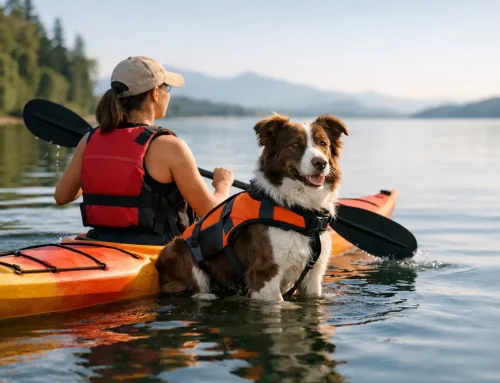
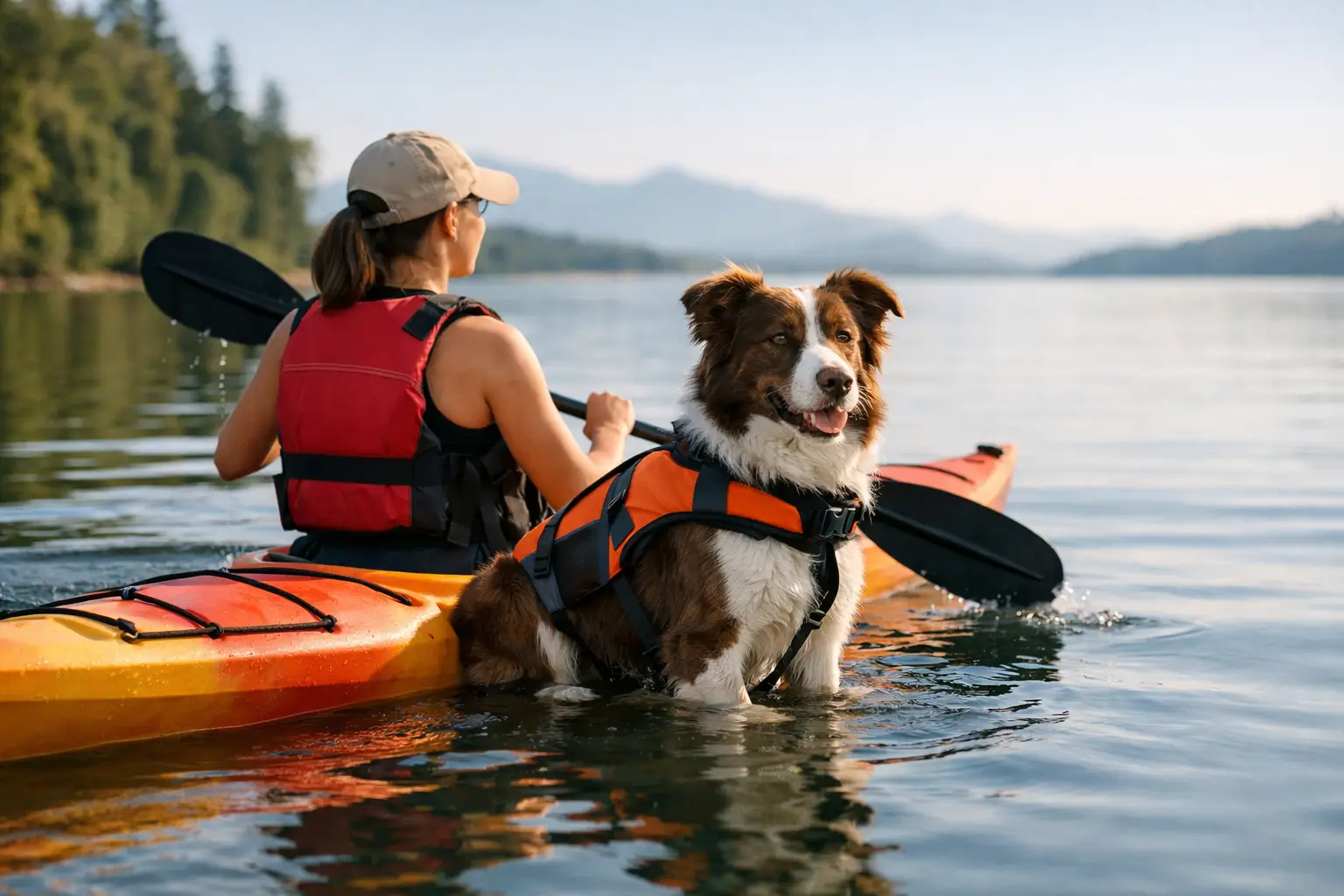
If you are bringing a child, a tandem can be the obvious winner because it keeps everyone together and makes supervision easier. The same goes for some dog-friendly outings. Many people feel better having a little more shared space when a dog is part of the plan, especially if the dog is new to kayaking and may need reassurance.
That said, not every dog is a chill river philosopher. Some dogs want to shift around, look over every side, and investigate absolutely everything. In those cases, comfort and boat balance matter a lot. You want a setup that feels stable and manageable, not crowded and chaotic.
Extra gear matters too. If your day includes snacks, water, sunscreen, a dry bag, maybe a towel, and a few kid-related items you swore would stay in the car but somehow did not, a tandem can make carrying everything feel simpler. For a light, casual paddle with just the basics, singles keep things easy and uncluttered.
Your paddling style matters more than you think
Some people want a mellow float with sightseeing, conversation, and a few photo stops. Others want to keep moving and enjoy the feeling of paddling continuously. Your preferred style should influence your choice.
A tandem suits the social version of kayaking. You are sharing reactions, pointing things out, and being part of the same little adventure bubble. It is ideal for people who want the paddle itself to feel like together time.
A single suits paddlers who enjoy a bit more independence. You can still stay close to your group, talk, and stop together, but your body is not tied to another person’s timing. That can make the whole outing feel more natural, especially on flatwater where the goal is fun, not performance.
This is one reason beginner-friendly river conditions are such a gift. On calm, controlled water, the decision is less about handling rough conditions and more about choosing the experience you actually want.
What usually works best for first-timers
For total beginners, there is no one-size-fits-all answer, but a few patterns show up again and again.
If two first-timers are both excited, reasonably coordinated, and looking for a shared memory, a tandem can be fantastic. You will laugh, figure it out together, and probably get better within the first ten minutes.
If one person is nervous and the other is calm, a tandem can also be a great bridge into kayaking. The calmer paddler helps set the pace, and the nervous paddler gets support without feeling left behind.
If both people are independent, a little stubborn, or simply built differently in terms of strength and rhythm, two singles are usually the smarter play. That setup removes friction and lets each person relax into the experience.
For solo visitors, the answer is simple. A single kayak gives you full control and a peaceful, easy way to enjoy the river at your own speed.
A quick reality check before you book
If you are still stuck, picture the moments that matter most. Are you imagining joking with someone in the same boat, working together, and sharing every turn? Or are you imagining quiet scenery, your own pace, and not having to negotiate paddling styles?
That mental picture is usually more useful than comparing specs.
At places built for beginners, families, and casual paddlers, the goal is not to impress anyone. It is to have a great day outside without a bunch of stress. That is exactly why so many guests near Chicago choose a flatwater outing where they can focus on fun, not fighting current or guessing whether conditions will cooperate.
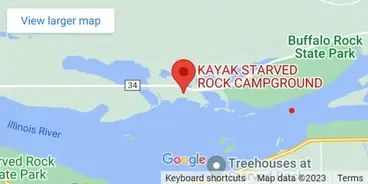
If you want help making the call, Kayak Starved Rock Campground makes it easy to choose between single and tandem rentals based on who is coming and what kind of trip you want. That matters when you are planning a quick escape, a family outing, or a weekend that includes waterfront camping near Starved Rock.
FAQs about single vs tandem kayaks
Is a single or tandem kayak more stable?
It depends on the specific boat and the people in it. Many tandems feel reassuring because of the shared space, but a single can feel more predictable since only one person is affecting the boat.
Are tandem kayaks better for couples?
Sometimes. They are great for couples who like doing activities as a team. If one person wants more independence, two singles may lead to a happier trip.
Should beginners choose a tandem kayak?
Not always. A tandem is nice for support and shared effort, but single kayaks can be easier to learn because your movements are the only ones steering the boat.
What if I am bringing a dog or child?
A tandem is often the better fit when you want to keep everyone together and have a little more shared space. Comfort and supervision usually drive that decision.
The best kayak is the one that lets you relax, laugh a little, and enjoy the river instead of overthinking it. Pick the setup that fits your people, and the rest gets a whole lot easier.