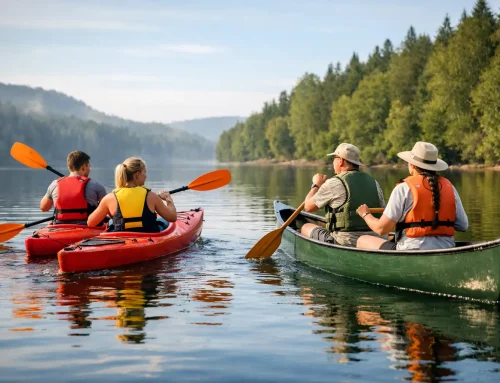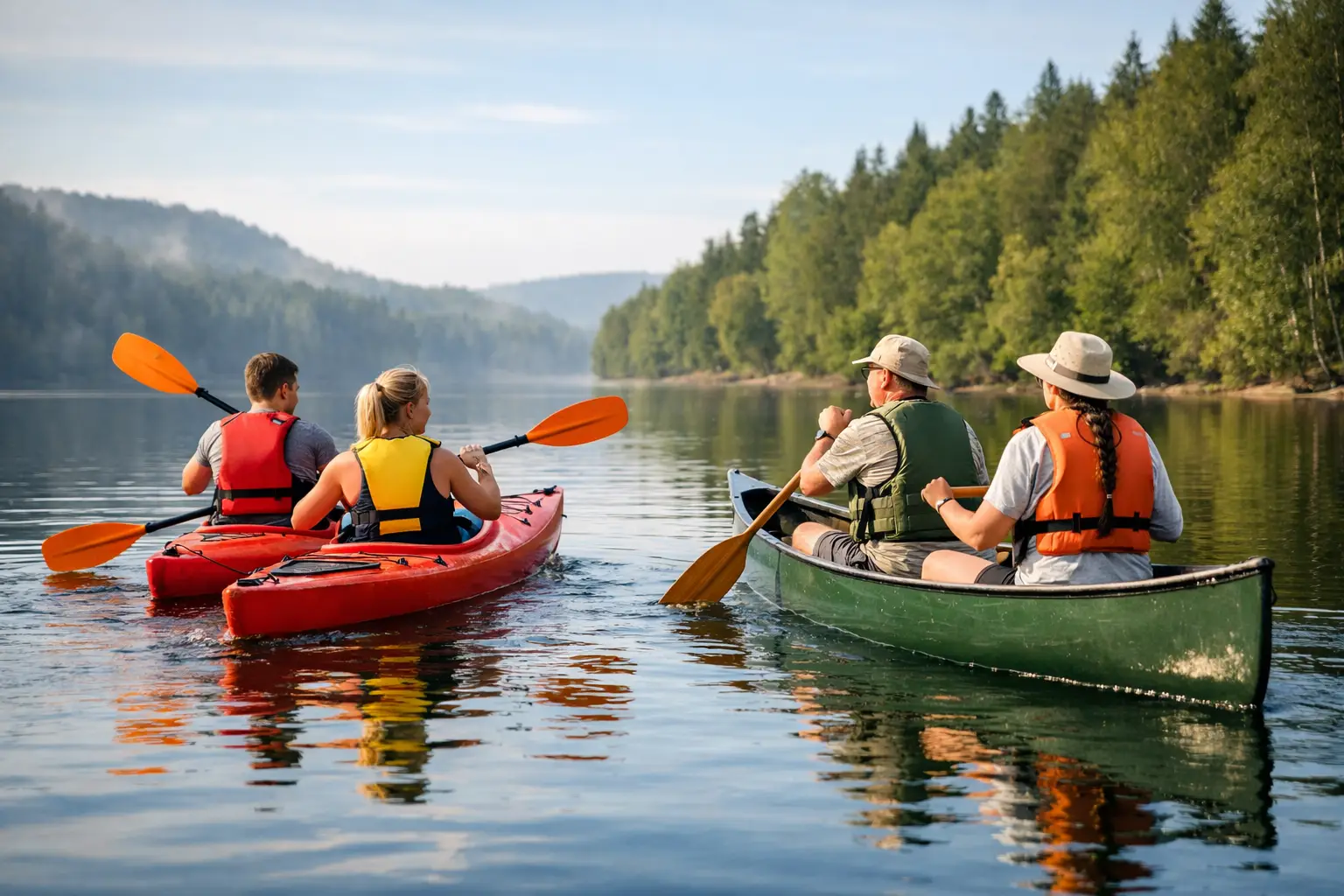
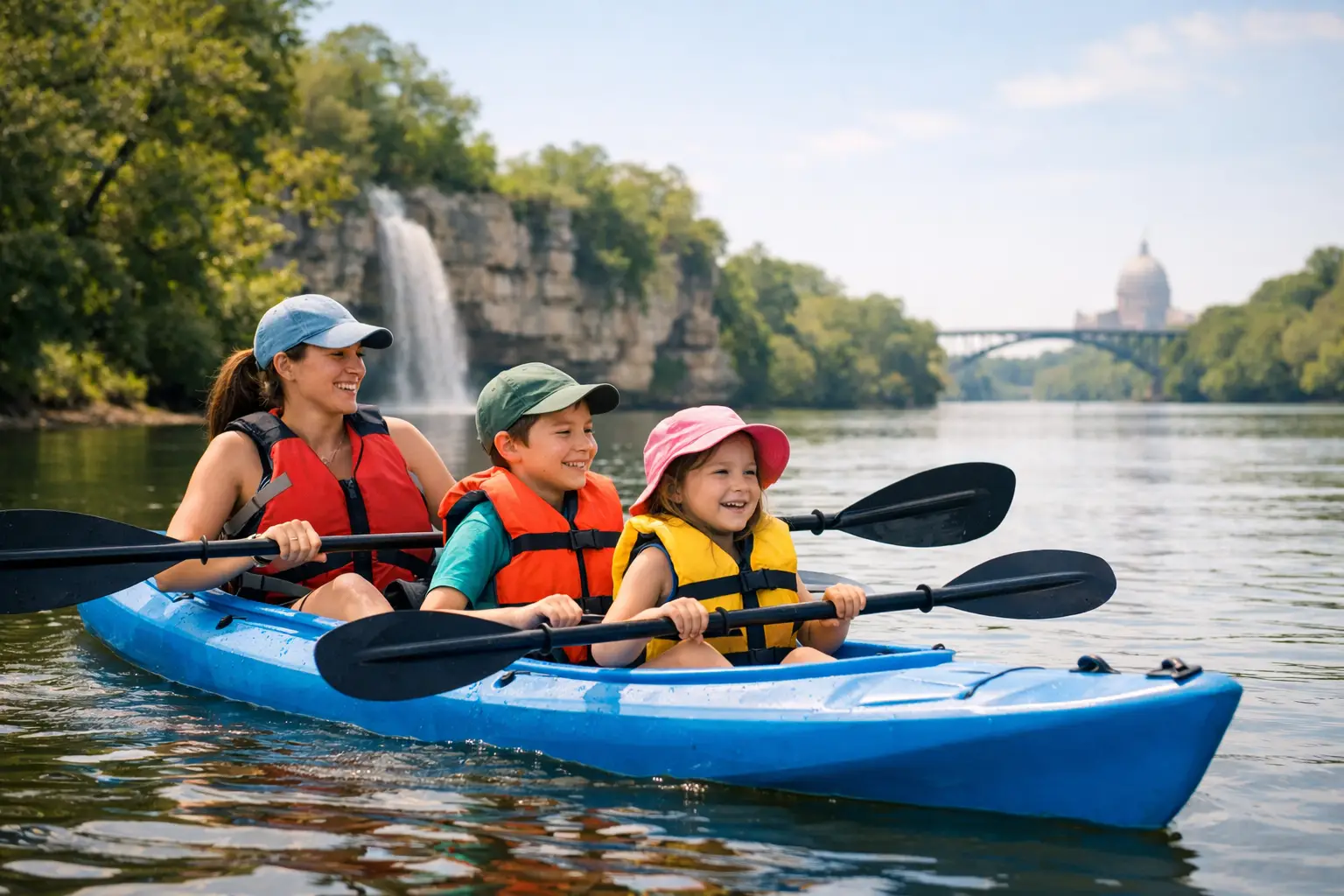
The fastest way to turn a family kayaking trip into a meltdown is picking water that looks pretty on Instagram but feels chaotic once you put a kid in the boat. A good guide to kayaking with kids in Illinois starts with the boring-sounding stuff that actually makes the day fun – calm water, short paddles, easy launches, clear safety rules, and a plan that leaves room for snack breaks and bathroom stops.
That is also why so many families from Chicago and Northern Illinois look for beginner-friendly spots instead of chasing a big adventure right away. Kids do not need a survival story. They need a smooth first trip where they can spot turtles, trail a hand in the water, and get off the kayak saying, “Can we do that again?”
Why kayaking with kids in Illinois works so well
Illinois is underrated for family paddling. You have flatwater options, scenic river stretches, and plenty of places close enough for a day trip that does not require a 5 a.m. wake-up. For parents, that matters as much as the view.
The best family kayaking days usually happen on easy water, not ambitious water. Shallow areas feel less intimidating. Minimal current gives you more control. Short launch-to-finish options let you adjust if your child is done after 45 minutes instead of two hours. That flexibility is everything when you are paddling with younger kids.
The other big win is confidence. Kids tend to mirror the adult energy in the boat. If parents feel comfortable, kids relax faster. That is why beginner-oriented locations near Starved Rock and other calm-water areas can be such a good fit for first-timers.
A practical guide to kayaking with kids in Illinois
Start by matching the trip to your child, not to your own idea of what counts as a “real” paddle. A calm 60-minute outing with a happy 6-year-old beats a two-hour grind with crying and cramping every single time.
Age, size, patience, and attention span all matter. So does personality. One child will love paddling and asking a hundred questions about fish. Another will be thrilled for 20 minutes and then ready for dry land. Neither reaction means the trip failed. It just means family kayaking works best when you build around the kid you actually have.
For most families, tandem kayaks make the first trip easier. One adult can manage steering and pace while the child participates as much or as little as they want. Older kids may enjoy their own kayak eventually, but there is no prize for rushing it.
Guided trips can also remove a lot of stress. When safety instruction, route planning, and launch logistics are handled for you, parents get to focus on the experience instead of trying to manage every moving part. That can be especially helpful if this is your family’s first time on the water.
Choose beginner-friendly water first
This is the biggest decision you will make. Kids do best on water that feels controlled and predictable. Fast current, crowded boat traffic, and deep or exposed stretches can turn a fun idea into a tense outing.
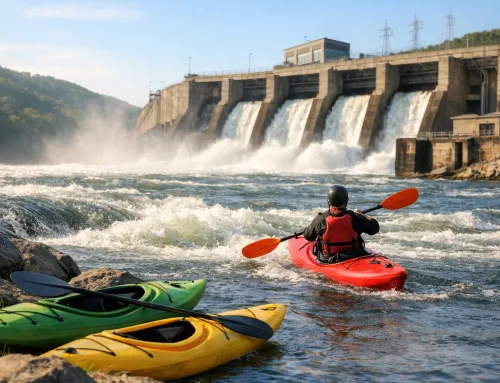
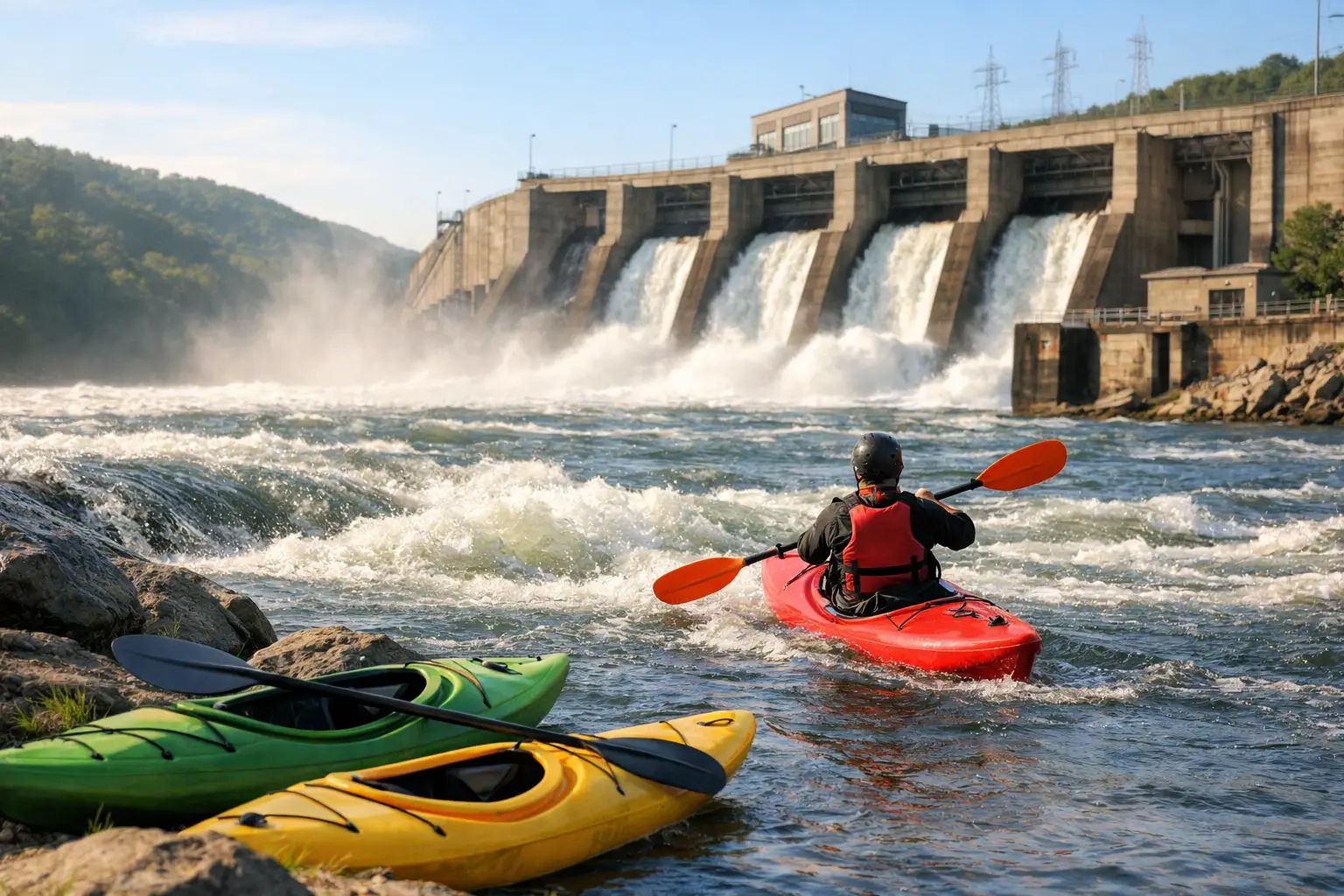
Look for flatwater or very gentle conditions, easy in-and-out access, and routes that do not force you into a long commitment. Dam-controlled areas with consistently runnable conditions can be especially appealing because they remove some of the guesswork parents worry about.
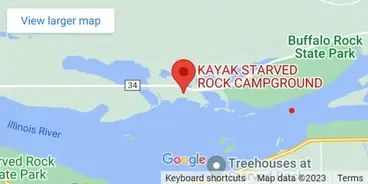
If you are planning near Starved Rock, calm Illinois River access can be a smart choice for families who want scenery without a technical paddling challenge. The bluff views still deliver. The difference is that beginners are not thrown into a stressful learning curve on day one.
Keep the first trip short
A lot of parents overestimate how long kids want to paddle. Adults think in miles. Kids think in moments. They remember the blue heron, the snack, the silly splash, the dragonfly that landed on the bow.
For a first outing, shorter is usually better. You want to quit while everyone still has gas in the tank. That leaves your child with the feeling that kayaking is fun, not tiring or frustrating. You can always build up on the next trip.
Make safety feel normal, not scary
Kids take cues from how you present the rules. A life jacket should not sound like a sign that danger is everywhere. It should sound like what we always wear on the water, every time, no debate.
Every person in the group should be in a properly fitted PFD before approaching the launch. Not clipped to the boat. Not tossed nearby. Worn. If your child is old enough to understand, explain that PFDs are just part of kayaking, like seat belts in the car.
Then keep the rest of the safety talk simple. Stay seated. Listen when the guide or parent gives directions. Keep hands inside when docking. Tell an adult if you feel nervous. Calm, clear expectations work better than a dramatic speech.
What to pack for a family paddle in Illinois
Packing for kids is really about comfort management. If they are too hot, too cold, too hungry, or too wet in the wrong way, your peaceful paddle can unravel fast.
Bring drinking water, easy snacks, sunscreen, hats, and a dry change of clothes for after the trip. Quick-dry layers are better than heavy cotton if someone gets splashed. Water shoes or secure sandals help at the launch, especially where the shoreline is rocky, sandy, or muddy.
A small dry bag is worth it for phones, keys, wipes, and anything your family cannot afford to soak. If your child loves looking at wildlife, lightweight binoculars can be fun, but do not overpack. The more gear you carry, the more there is to manage.
One overlooked trick is bringing one comfort item for younger kids, like a small towel or favorite snack they only get on special outings. It gives them a familiar anchor if they get nervous.
How to set expectations before you launch
The car ride over matters more than people think. If you frame the trip as a big test, kids may feel pressure. If you frame it as a simple outdoor adventure where we wear our life jackets, paddle a little, see cool stuff, and head back for lunch, they usually settle in better.
Be honest about what the day will look like. Tell them where they will sit, whether they are paddling solo or with an adult, and that boats can wobble a little without tipping over. That last part helps a lot with first-launch nerves.
This is also a good time to promise a next step. Maybe it is ice cream after. Maybe it is camping nearby. Maybe it is just time to run around after sitting in the boat. Kids do well when the day has a clear rhythm.
When camping makes the trip easier
For some families, trying to paddle and drive home in one day is perfect. For others, that creates a rushed schedule with too much pressure on one outing. Turning it into an overnight can actually make things easier.
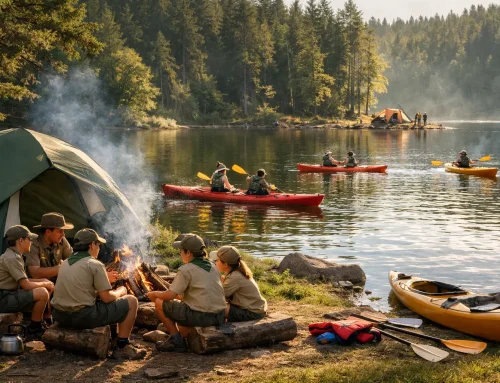
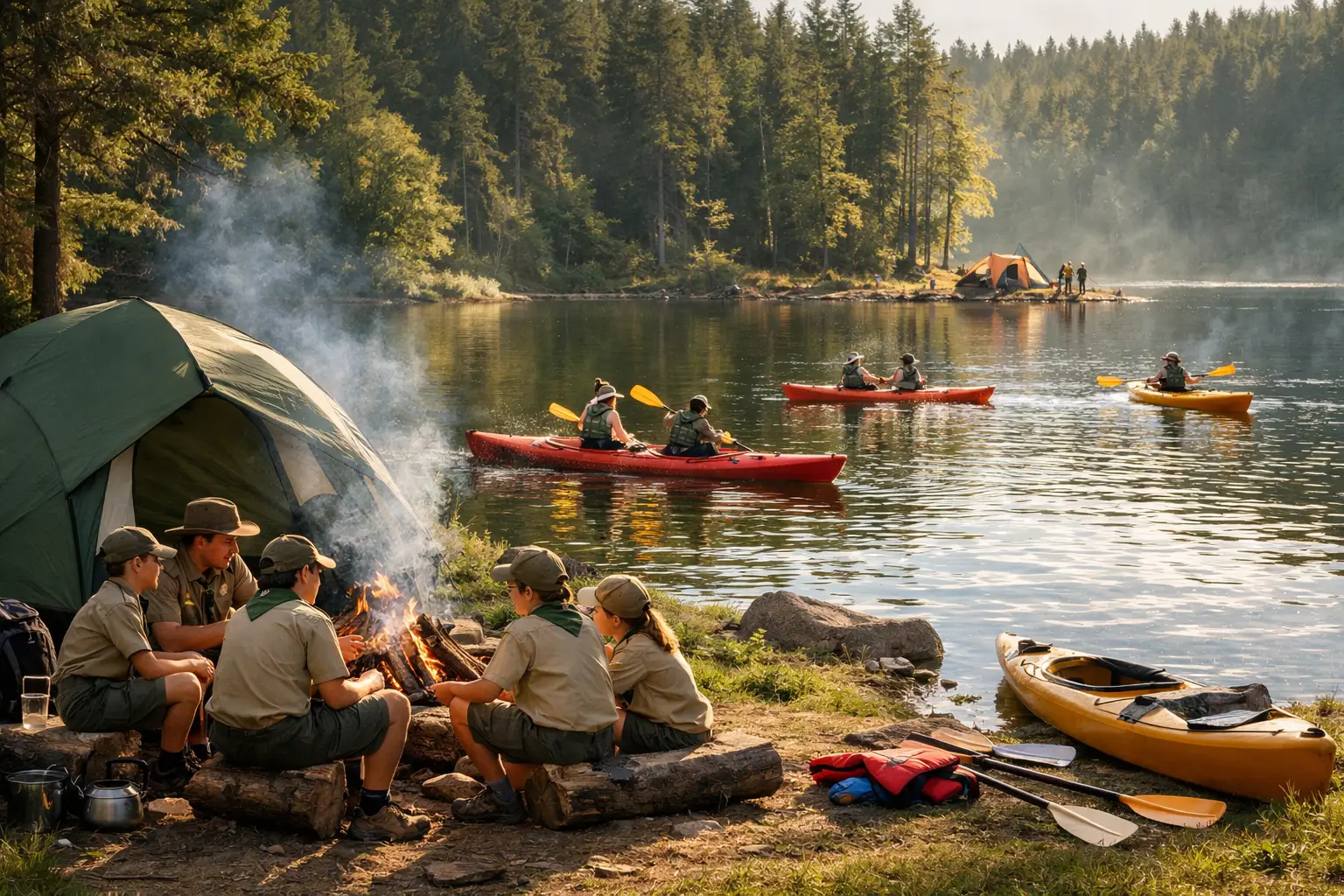
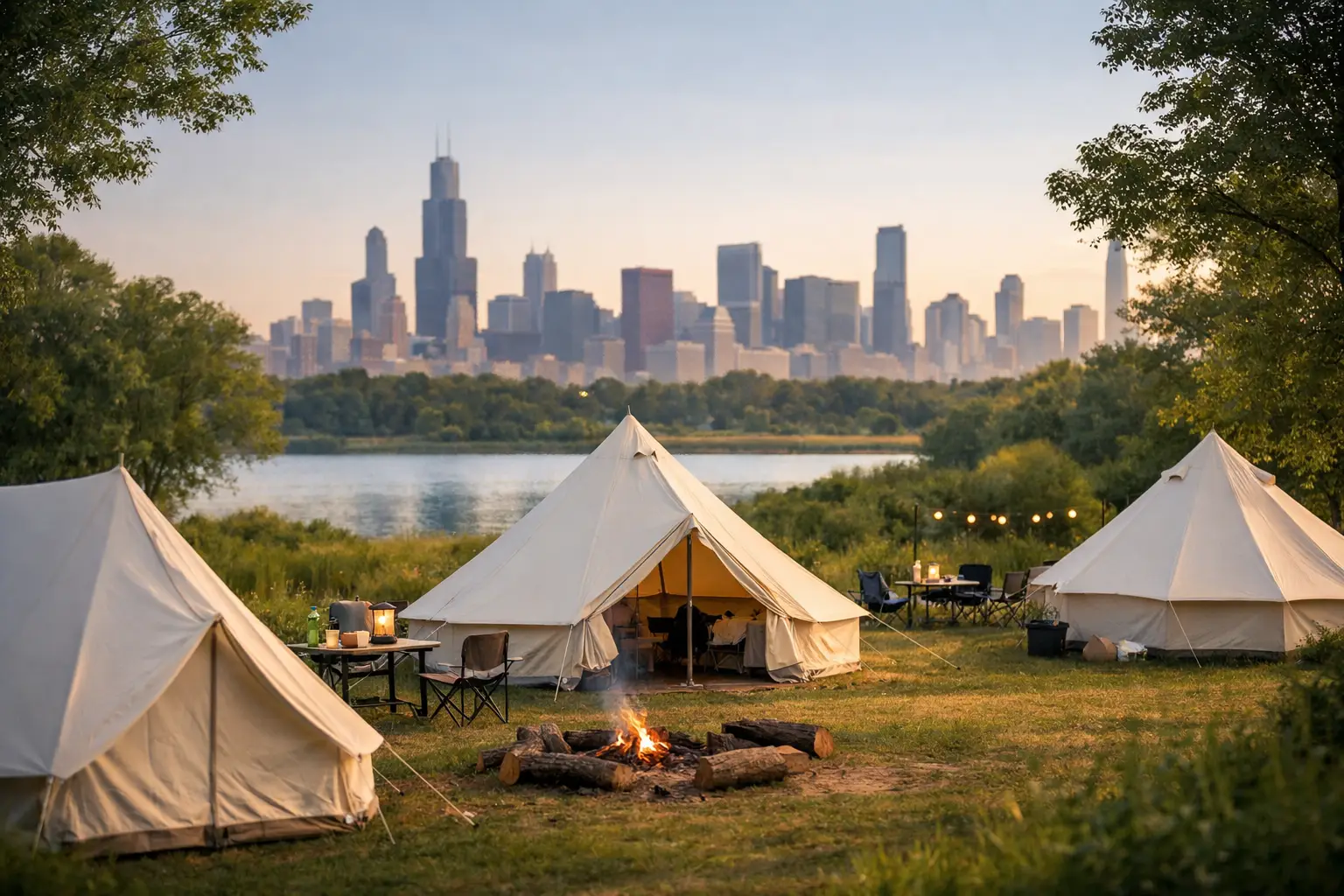
Waterfront camping near Starved Rock gives families more breathing room. You can paddle without watching the clock every second, have a slow evening outside, and let kids burn off the rest of their energy at camp instead of in the back seat on the ride home. Tent, pop-up, and tear drop camping can all work, depending on how much comfort and setup effort your family wants.
This is where convenience really counts. Places that combine kayaking and camping in one spot save you from doing launch math, parking math, and shuttle math all day. If you want a low-friction option near Chicago, that kind of setup is often the sweet spot.
Common mistakes parents make
The most common mistake is choosing a route for the scenery and ignoring the conditions. Pretty does not always mean family-friendly. The second is overscheduling. If you try to cram hiking, paddling, dinner, and a long drive into one day, someone is going to hit a wall.
Another one is assuming kids need constant entertainment. They usually do not. Nature does a lot of the work if the setting is calm enough for them to notice it. Give them a chance to float, look around, and be part of the experience.
And finally, do not wait until your family is “more outdoorsy.” Kayaking is one of the best first-step adventures because it feels exciting without needing expert skills. A beginner-friendly operator like Kayak Starved Rock Campground can help make that first trip feel organized, safe, and actually relaxing for the adults too.
If you keep the plan simple, pick easy water, and let the day be about fun instead of distance, your kids probably will not remember how far you paddled. They will remember that they were out on the water with you, wearing their life jackets, laughing at the ripples, and feeling a little braver by the time you came back to shore.