
You know that feeling when Chicago traffic finally drops behind you and your shoulders unclench somewhere past the last strip mall? That’s the moment flatwater kayaking starts to make sense. Not the hardcore, whitewater, helmet-and-hero-stories kind of kayaking. The kind where your biggest decision is “single or tandem?” and the water is calm enough to talk, laugh, and take too many photos.
Flatwater kayaking in Illinois is quietly perfect for beginners, families, couples, and anyone who wants an outdoor win without a learning curve. The trick is choosing the right water and the right plan, because “flat” can mean very different things depending on wind, boat traffic, and access.
What “flatwater” actually means in Illinois
Flatwater is the opposite of drama. No rapids, no technical maneuvering, no surprise drops. In Illinois, most flatwater paddling happens on calmer sections of rivers (especially near dams and pools), protected lakes, and quiet backwaters.
That said, Illinois flatwater still has personalities. A big open lake can feel glassy at 9 a.m. and choppy at noon if the wind shows up. A river can be “flat” but still have a gentle push that affects how far you want to go. And popular areas can get busier later in the day with motorboats, which is not dangerous if you stay aware, but it changes the vibe.
If you’re a first-timer, you’re not looking for the most legendary water. You’re looking for the most predictable day.
Why flatwater kayaking Illinois is such a near-Chicago win
Illinois gets underrated as a paddling state because we don’t have mountain rivers in our backyard. What we do have is accessibility. You can leave the city after breakfast, paddle by lunch, and still be home in time to argue about where to order dinner.
Flatwater is also the easiest way to turn “We should do something outside” into a real plan. No special skills. No intense fitness requirement. Just a little willingness to get your hands wet and wear a life jacket like a responsible adult.
And because so many Illinois flatwater spots are surrounded by trees, bluffs, and wildlife, the payoff feels bigger than the effort. You’ll see herons and turtles. You’ll find pockets of quiet that don’t feel like Illinois should be able to hide.
The best types of places to paddle (and how to choose)
Instead of chasing a single “best” location, it helps to choose the kind of water that fits your group.
Calm, dam-controlled river sections
These are a confidence-builder. Dam-controlled stretches can offer consistently runnable levels and a more predictable experience, especially compared to smaller creeks that can get too low or too weedy. Many first-timers love this because you can focus on paddling, not problem-solving.
The trade-off is that river settings can still have boat traffic and wind exposure depending on the stretch. If you want the calmest feel, go earlier in the day and stay closer to shoreline features that break the wind.
Small lakes and sheltered reservoirs
These are great for pure “float and chat” energy. They’re often easier for kids and for anyone nervous about current.
The trade-off is that some lakes have limited access points, parking rules, or restrictions on rentals and launches. Also, open water plus wind can equal a surprise workout.
Backwaters and protected inlets
Backwaters are the secret sauce for people who want nature without the crowds. They tend to be quieter, with more wildlife and less wave action.
The trade-off is navigation. Backwaters can feel maze-like, and it’s easier to lose track of where you launched if you don’t have a simple route plan.
What beginners worry about (and what actually happens)
Most first-time paddlers show up with the same mental list: “Will I flip? Will I be sore? What if I can’t steer? What if I’m the slow one?”
Here’s what typically happens on Illinois flatwater: you wobble for about 30 seconds, you figure out that your kayak wants to stay upright, and then you start enjoying yourself. Kayaks are designed to be stable. If you keep your hips relaxed, look where you want to go, and don’t do anything chaotic like standing up to take a selfie, you’re already ahead of the curve.
Steering is less about strength and more about smooth strokes. If your kayak keeps turning, it usually means one side is working harder than the other. Slow down, match your strokes, and let the boat glide. You’re not trying to win. You’re trying to have a good story later.
What to wear and bring so the day stays fun
Illinois weather loves surprises. Flatwater kayaking is easy, but being comfortable is what makes it feel easy.
Wear quick-dry clothing you can move in. Avoid heavy cotton if it’s cool out, because wet cotton gets cold and stays cold. In summer, sun protection matters more than people expect on the water. A hat and sunglasses make a huge difference, and sunscreen is not optional unless you enjoy looking like a lobster at dinner.
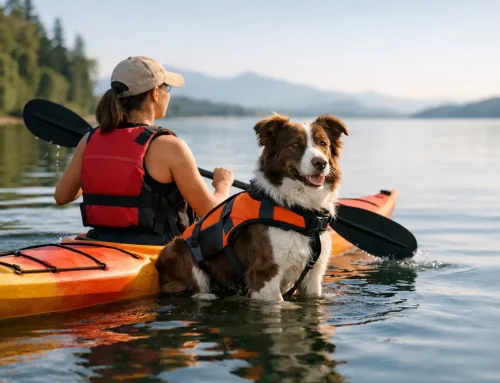
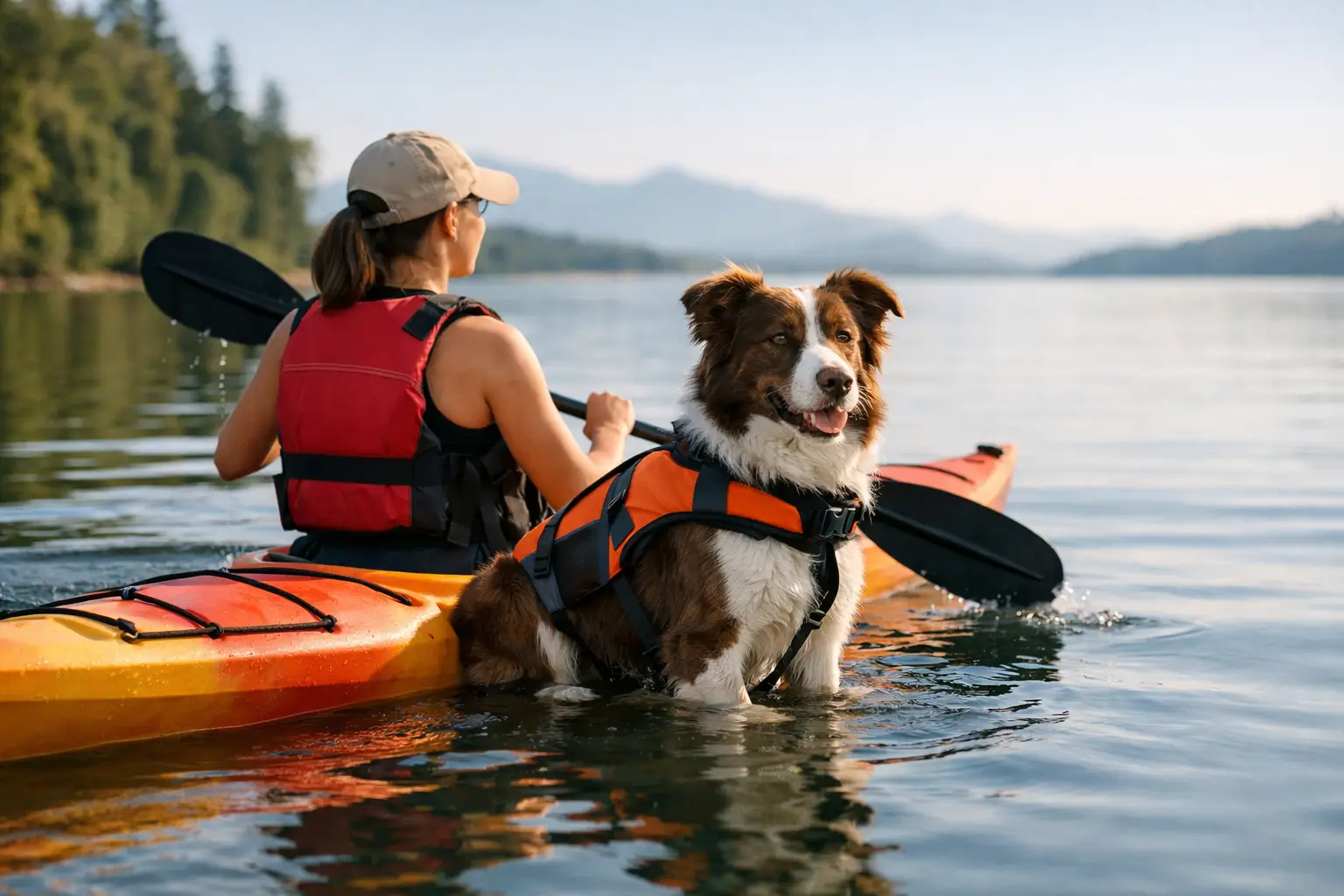
Bring water even if you’re only going out for an hour. Paddling is sneaky cardio. If you’re bringing kids, snacks prevent meltdowns, and a dry bag keeps phones and keys from becoming “offerings to the river.” If you’re bringing your dog, pack water for them too and consider a dog life jacket if they’re new to boats or overly enthusiastic about jumping.
One more practical note: expect to get a little wet. Not “fell in” wet, just “drips and splashes happen” wet. Dress like you’re okay with that.
The simple route-planning rule that prevents stress
For casual flatwater days, the best route is the one you can reverse.
Out-and-back routes remove the biggest headache in kayaking: shuttling vehicles. You launch, paddle as far as you feel like, then turn around and follow the same shoreline back. It’s simple, it’s flexible, and it makes it easier to manage mixed groups where some people want a longer adventure and others want a shorter one.
If you do a one-way route, make sure everyone understands the take-out spot and timing. “We’ll figure it out” is not a route plan.
Rentals, guided trips, and bringing your own kayak: it depends
If you already own a kayak and love the whole “I have straps and I know how to use them” lifestyle, bringing your own boat can be great. You control your schedule and your setup.
But for a lot of near-Chicago paddlers, rentals are the easiest entry point. You get a properly sized paddle, a fitted PFD, and a boat that’s meant for the water you’re on. That last part matters. A premium touring kayak will feel smoother and track straighter than a short recreational boat, especially if there’s wind.
Guided trips are the fastest way to feel confident. They’re especially helpful for first-timers, families with kids, or anyone who wants the “tell us where to go and keep us safe” version of kayaking. A good guide also turns the day into something you remember, not just something you did.
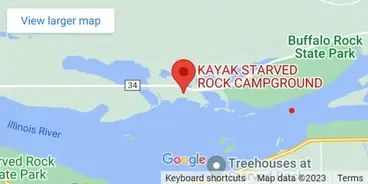
If you want a beginner-friendly, dam-controlled river experience directly across from Starved Rock State Park, Kayak Starved Rock Campground is built for exactly that – rentals, guided tours with safety instruction, and waterfront camping if you want to turn a paddle into a weekend.
Timing matters more than distance
On flatwater in Illinois, the best hack is starting earlier. Mornings tend to be calmer, less windy, and less crowded. If you’re going on a hot day, mornings are also more comfortable and safer, especially for kids and dogs.
Afternoons can still be great, but you’ll feel the trade-offs more: wind can pick up, boat traffic can increase, and tired arms show up faster. If your group is newer, plan a shorter paddle later in the day and save the longer one for a morning.
Also, respect last-launch times if you’re renting or paddling in managed areas. They exist because staff want you off the water safely before sunset and before conditions change.
Safety that doesn’t ruin the vibe
Flatwater doesn’t mean “no rules.” It means the rules are easy to follow.
Wear your PFD. Not “sit on it.” Wear it. Tell the person who thinks they’re too cool for it that they’re officially the least cool person at the launch.
Check the weather before you go and again right before you launch. Wind and storms are the main factors that can turn a pleasant paddle into a stressful one. If thunder is in the area, get off the water.
Stay close enough to your group that you can communicate without yelling. If you have kids, keep them within easy reach. If you have a dog, keep their excitement level in mind – most unexpected swims start with a happy leap.
Making it a day trip or a weekend without over-planning it
A flatwater kayaking day trip near Chicago works best when you keep the schedule light. Give yourself time to park, get organized, do a quick safety talk, and launch without feeling rushed. The whole point is stress relief, not turning your Saturday into a spreadsheet.
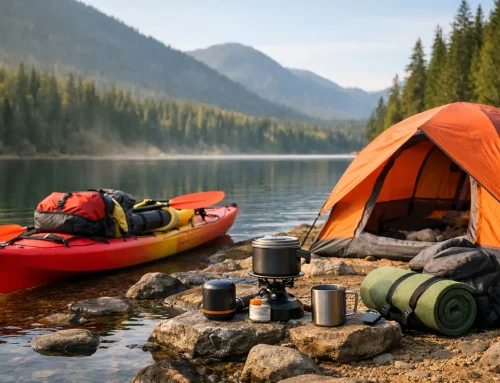
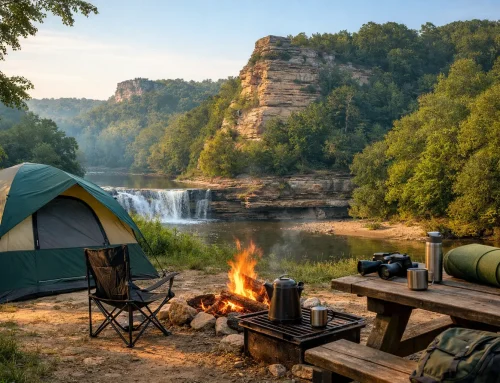
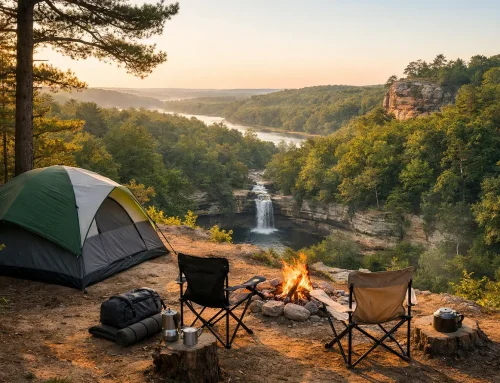
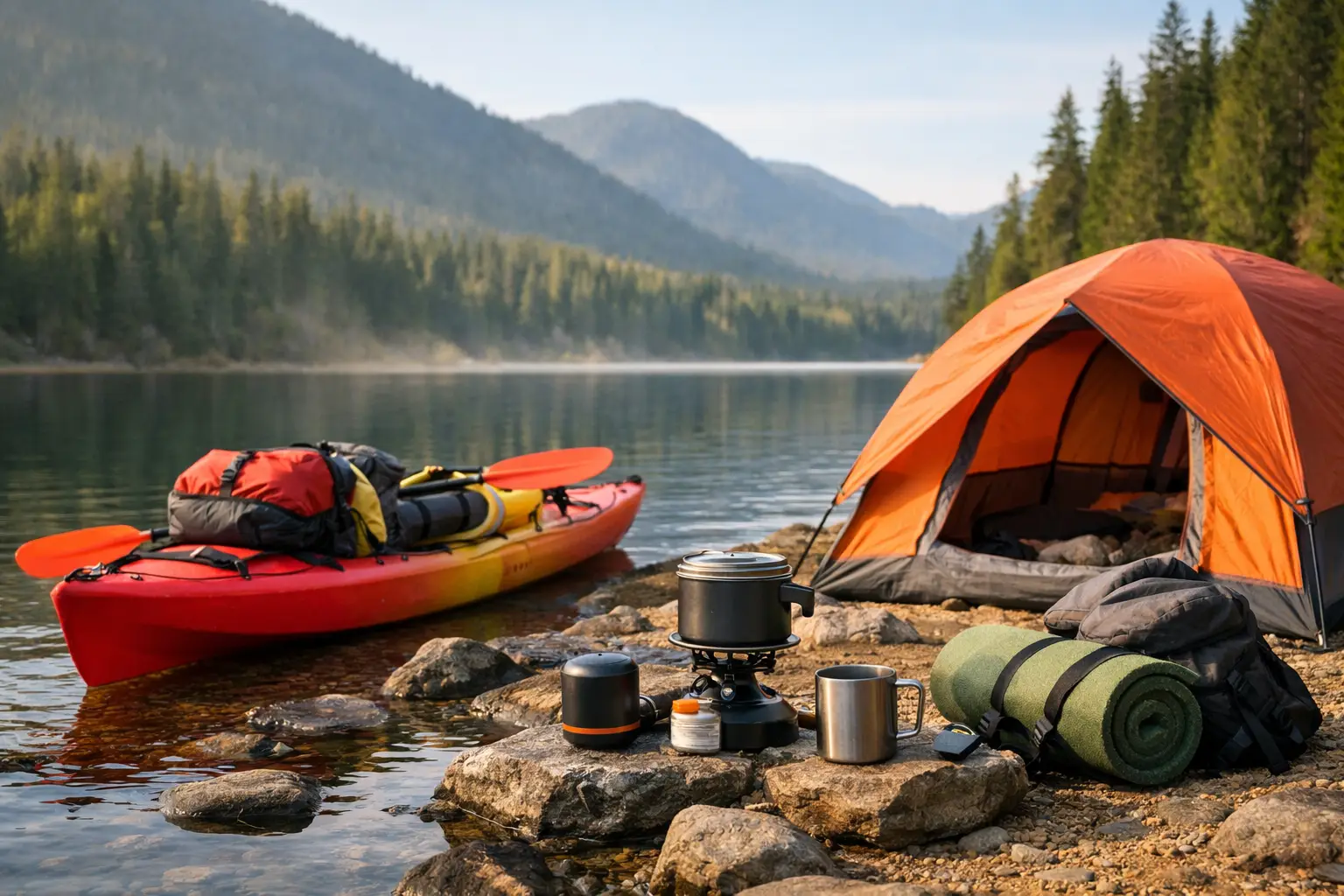
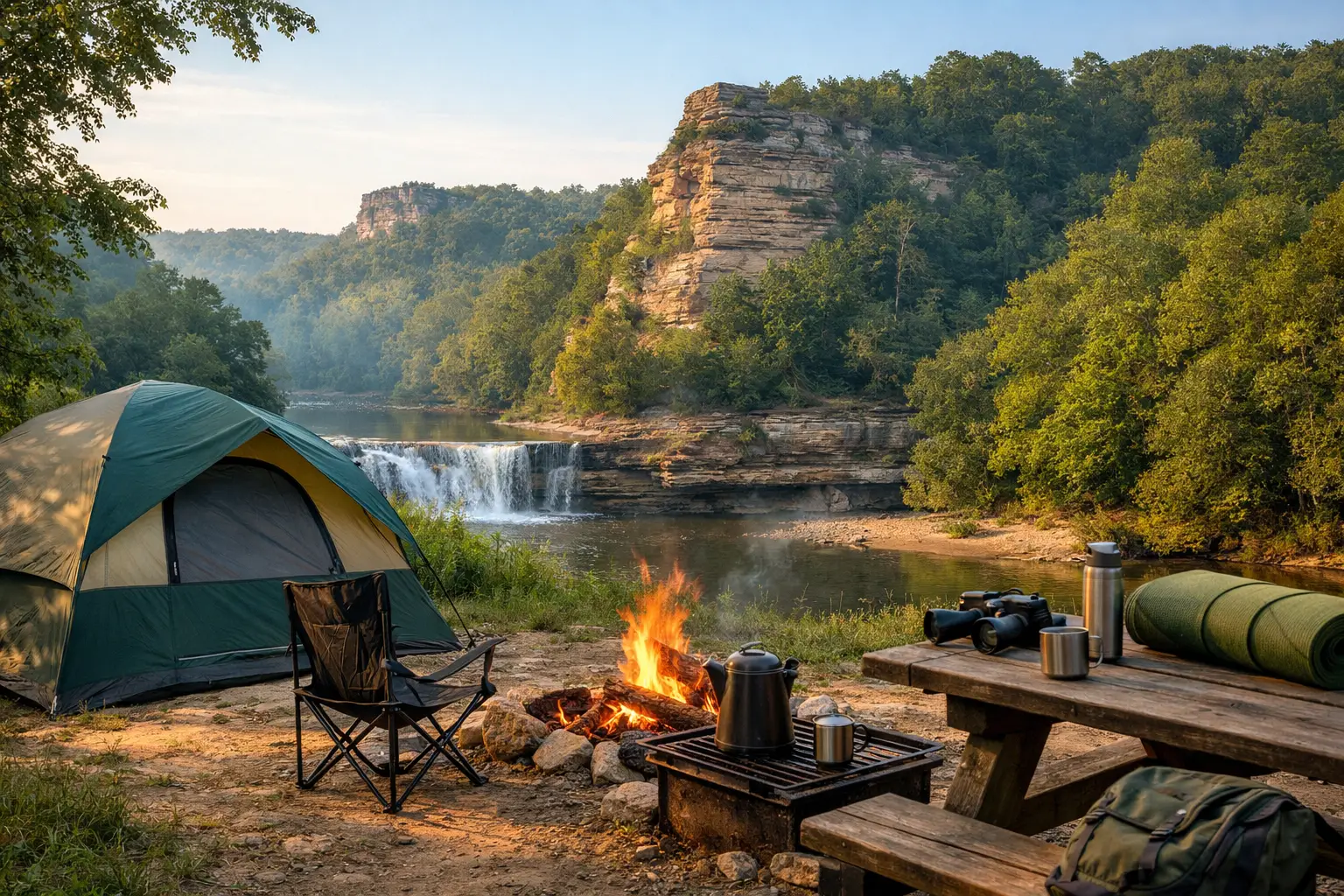
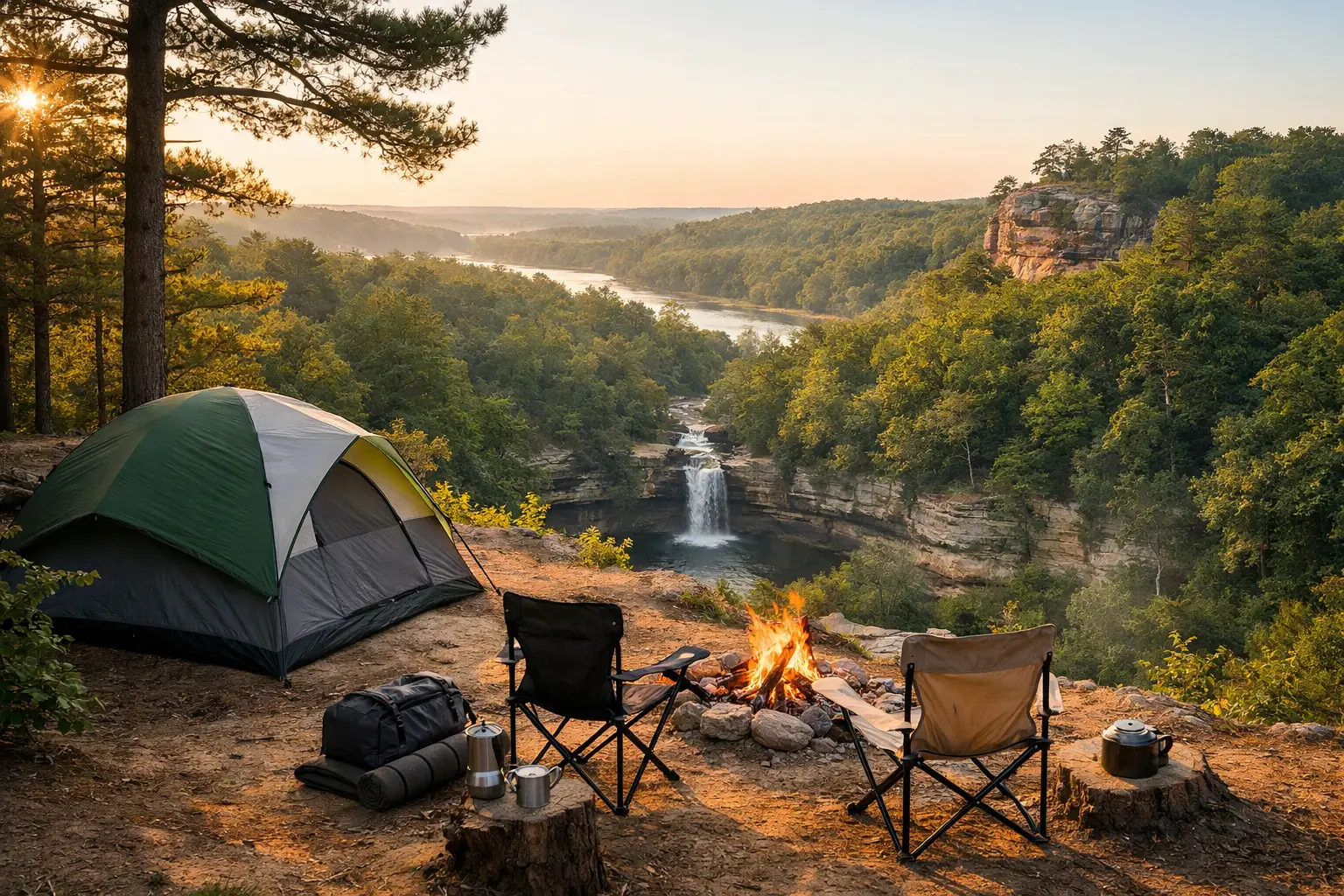
If you want more than a single paddle, pairing kayaking with camping is the easiest way to stretch the experience. Paddle in the afternoon, eat something simple, sleep near the water, then go again in the morning when everything is calm. It feels like you traveled much farther than you did.
The helpful closing thought: plan for calm, not for perfect. If you pick predictable water, start earlier than you think, and keep your route simple, flatwater kayaking in Illinois stops being an intimidating “someday” idea and becomes the kind of easy escape you can actually repeat.