Your team does not need another sad banquet room lunch with name tags and lukewarm coffee. A better plan is fresh air, easy movement, and a setting where people actually relax enough to talk. If you are searching for a corporate group kayak outing planning example, the sweet spot is a trip that feels adventurous without turning into a survival test.
That is exactly why flatwater kayaking works so well for company groups near Chicago. It gives you the reset people want, but it still fits into a real-world workday. You can build a half-day or full-day outing around beginner-friendly paddling, keep the logistics tight, and give your team something more memorable than another happy hour.
A corporate group kayak outing planning example that actually works
Let’s use a simple scenario. Imagine a 24-person marketing and sales team based in the western suburbs. They want a summer outing within about 90 minutes of the city, they need something active but not extreme, and they have a mix of personalities – a few outdoorsy people, plenty of first-timers, and at least one coworker who will ask three times if the kayak can tip.
The right plan starts with choosing conditions that remove friction. That means calm water, straightforward launch access, provided equipment, and staff who can handle the safety talk without making beginners feel like they signed up for boot camp. For many teams, the goal is not athletic performance. The goal is shared fun, low stress, and just enough novelty to get people out of work mode.
A strong outing schedule could look like this: morning arrival, check-in, gear fitting, basic paddle instruction, a guided or self-paced flatwater paddle, then time to eat, hang out, and enjoy the riverfront. If the group wants more bonding time, you can stretch the day with camping, glamping-style comfort add-ons, or a casual evening around the campground instead of trying to squeeze everything into four rushed hours.
Start with the real planning questions
Before anyone picks a date, ask the questions that actually shape the day. How many people are coming? Are they mostly beginners? Do you want this to feel social, structured, or a little of both? Is this a single-day event, or do you want an overnight that feels like a true break from the office?
These answers matter because the best corporate outing is not always the biggest or busiest one. A group of 12 can feel great with a relaxed self-guided rental and lunch. A group of 40 usually benefits from more structure, clearer timing, and on-water leadership. It depends on your team and on how much hand-holding people need.
For beginner-heavy groups, guided trips are often the easy win. People relax faster when someone else handles the orientation, route guidance, and pacing. For teams with mixed experience, tandem kayaks can help too. Pair the confident paddler with the nervous one and suddenly the whole thing feels a lot less intimidating.
Build the day around simplicity
The best corporate outing plans are simple on purpose. If your group has to coordinate too many moving pieces, the event starts to feel like work. That is why a near-Chicago paddle location with rentals, instruction, launch access, and optional camping all in one place makes so much sense.
For example, a clean and realistic event flow might look like this.
10:00 a.m. arrival and check-in
People park, sign waivers, meet staff, and get fitted for gear. This is where a well-run operation earns its keep. Clear direction matters. Nobody wants 24 employees wandering around asking where to go.
10:30 a.m. safety talk and paddling basics
Keep this friendly and direct. Everyone should wear a life jacket or PFD, learn how to get in and out of the kayak, and hear the few rules that truly matter. A good safety briefing builds confidence. A bad one scares people before they even touch the water.
11:00 a.m. to 1:00 p.m. guided flatwater paddle
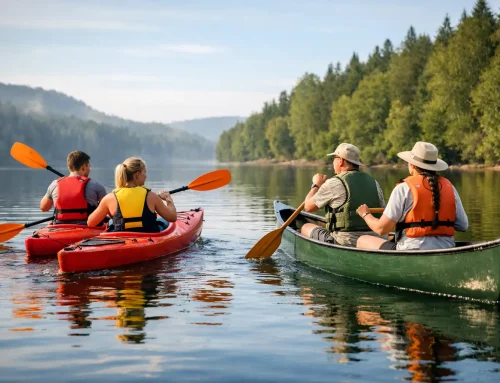
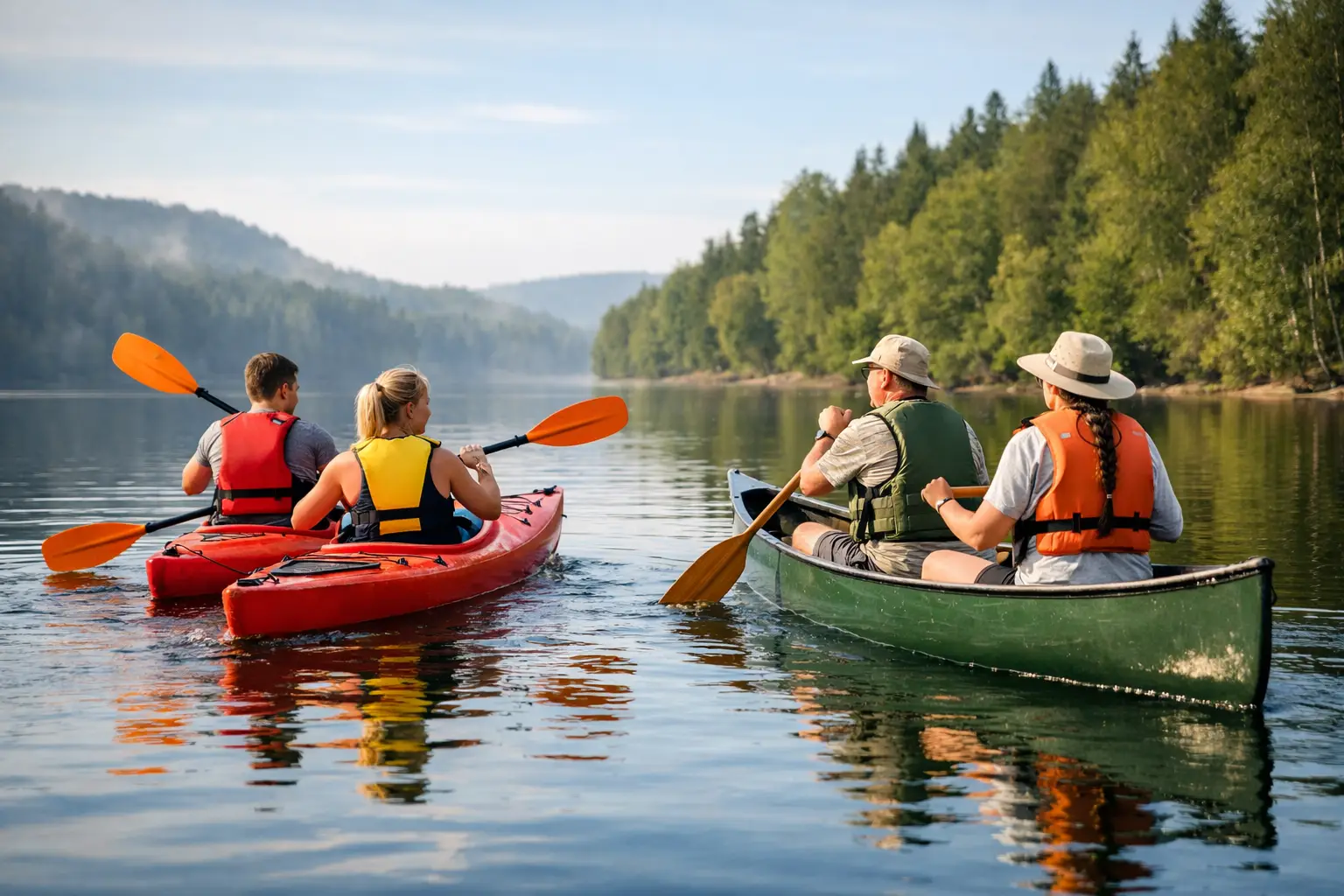
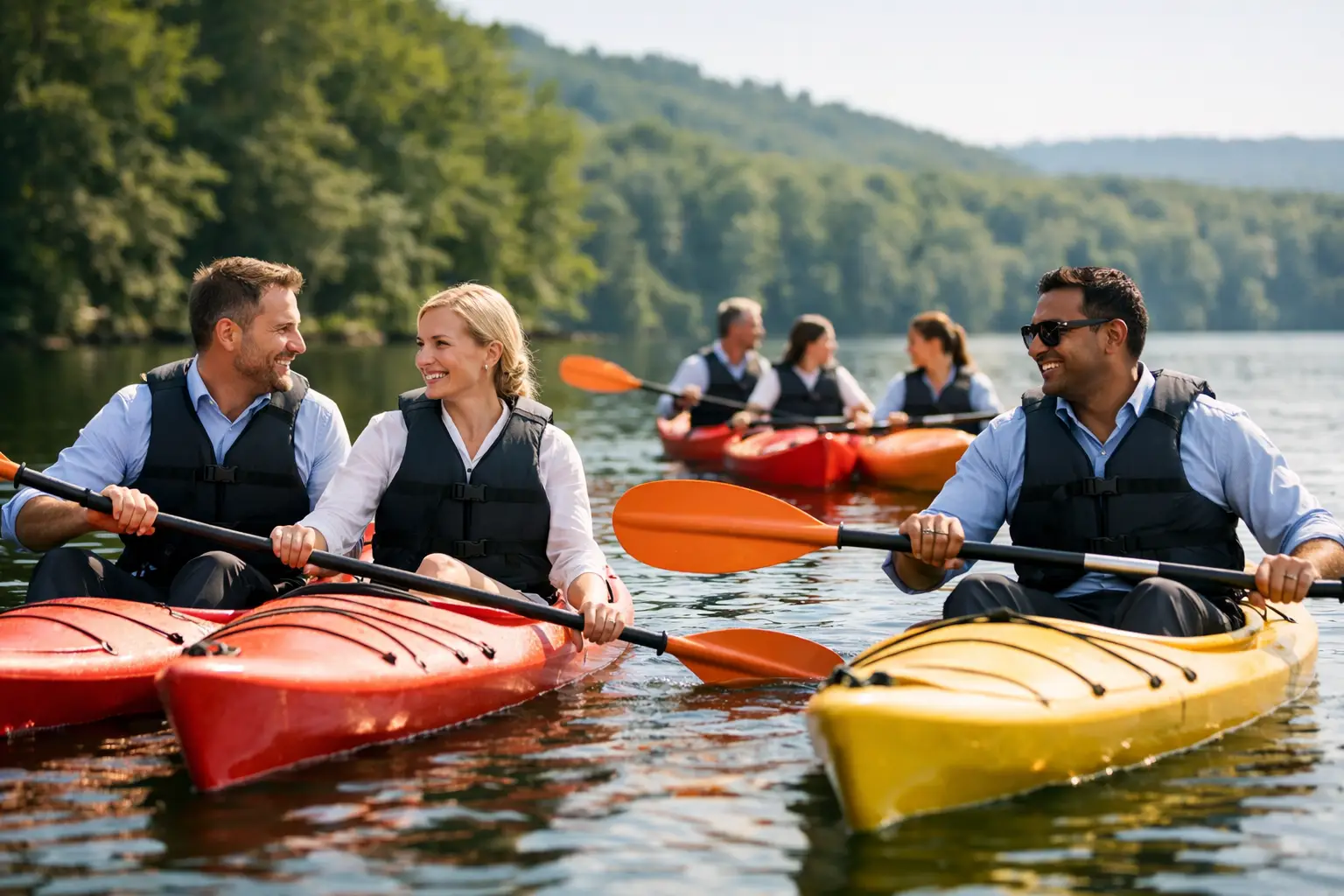
This is the heart of the outing. Calm, shallow, no-current conditions are ideal for company groups because they remove the biggest beginner fear. People can focus on the scenery, the jokes, and the little victory of figuring it out. If your team includes chatty coworkers, expect the first 20 minutes to be a mix of laughter, bad steering, and somebody paddling in tiny circles.
1:15 p.m. lunch and free time
After paddling, people are ready to eat and decompress. This is often when the real team bonding happens. The shared activity gives people something easy to talk about, which beats forcing conversation in a conference room.
Optional afternoon add-on
Depending on your budget and team style, this could be more riverfront hang time, lawn games, a second short activity, or simply extra time to enjoy the campground setting. Not every team wants a packed schedule. Sometimes the best move is leaving space for people to breathe.
Why beginners matter more than your strongest paddlers
When planning a company event, you are not designing for the most athletic person on the team. You are designing for the person who almost said no.
That might be the coworker who has never kayaked, the manager bringing their teenager, or the employee who likes the idea of being outdoors but worries about looking awkward. If the outing works for them, it works for everyone.
This is why flatwater matters so much. Controlled, beginner-friendly conditions remove a lot of the mental barriers that keep people from participating. No current, shallow water, and clear support on site make the whole event feel doable. That is a huge difference from planning a trip where the most confident 20 percent have fun and everyone else just survives it.
Make the overnight option count
Some teams want more than a day trip, especially if the goal is recognition, retreat time, or a true unplugged experience. In that case, turning your corporate group kayak outing planning example into a paddle-and-camp itinerary can be a smart move.
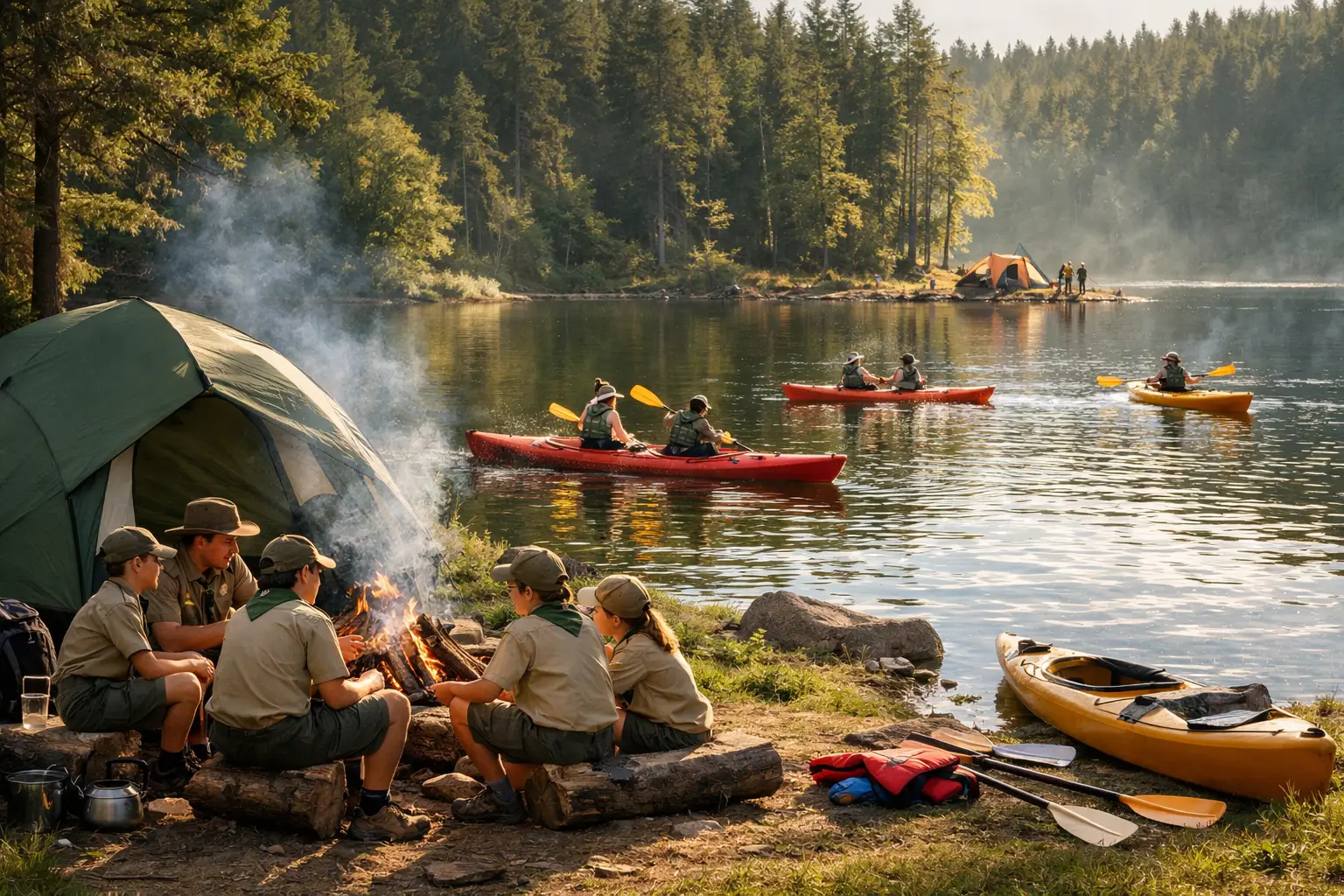
Waterfront camping changes the energy of the event. Instead of rushing back to traffic, the group can settle in, eat together, and keep the social part going naturally. This works especially well for smaller companies, leadership teams, and social clubs tied to a workplace.
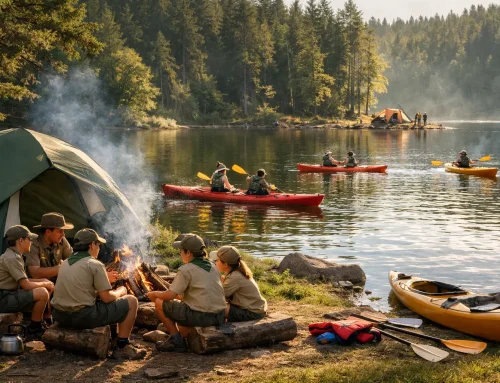
There is also flexibility here. Not everyone wants to rough it the same way. Tent camping has the classic outdoors feel, while pop up and teardrop camping can be a better fit for groups that want more comfort and less setup. If your team likes the idea of nature but not the idea of sleeping on the ground with zero amenities, comfort-focused camping options can make the overnight much more appealing.
For Chicago-area groups, that combination is hard to beat – kayaking, riverfront time, and camping near Starved Rock State Park without committing to a complicated travel weekend.
Budget, weather, and the trade-offs nobody talks about
A great outing is not just the fun part. It is also the part where expectations match reality.
Budget affects more than headcount. It shapes whether you book guided support, choose tandem or single kayaks, add food, or extend into camping. If the budget is tight, keep the structure simple and prioritize the core experience. If the budget has room, invest in the pieces that remove stress, especially staff support and comfort upgrades.
Weather is the other big factor. Summer paddles sound great, but heat, wind, and storms can change the feel of the day. It helps to choose a provider used to running outdoor experiences with clear operating windows and launch cutoffs. That structure is not a buzzkill. It is what keeps the event smooth and safe.
And yes, there are trade-offs. A Friday afternoon outing may be easier for attendance but busier on roads. A weekday morning may feel calmer but can be harder for people with childcare pickup. Overnight trips create stronger memories, but they also require more buy-in from the team. The right answer depends on your goals.
One more planning detail that makes a difference
Do not oversell the challenge. Sell the experience.
People are much more likely to say yes to a trip that sounds fun, supported, and beginner-friendly than one pitched like an endurance event. Talk about scenic paddling, fresh air, group laughs, and easy logistics. Make it clear that safety gear is required, instruction is included, and first-timers are welcome.
That tone matters. A company outing should feel like a reward, not a test.
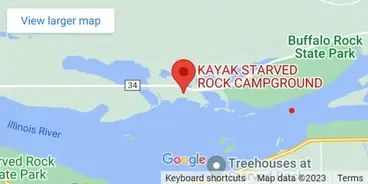
If you are planning near Starved Rock, a place like Kayak Starved Rock Campground makes this especially easy because the experience is built for casual paddlers, groups, and short escapes from the city. You get the outdoor payoff without asking everyone to become a wilderness expert for the day.
The best corporate kayak outing is usually the one that feels simple before it starts and satisfying after it ends. Pick calm water, keep the logistics clean, give beginners confidence, and leave a little room for people to enjoy themselves. That is when a team event stops feeling scheduled and starts feeling like something people are glad they showed up for.