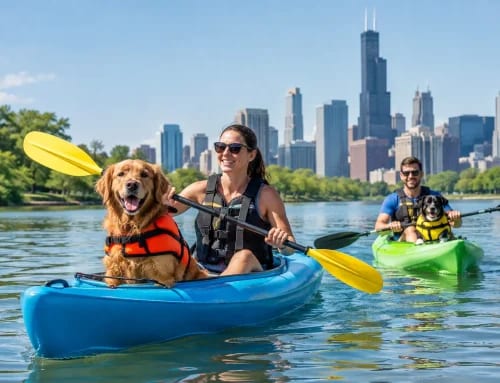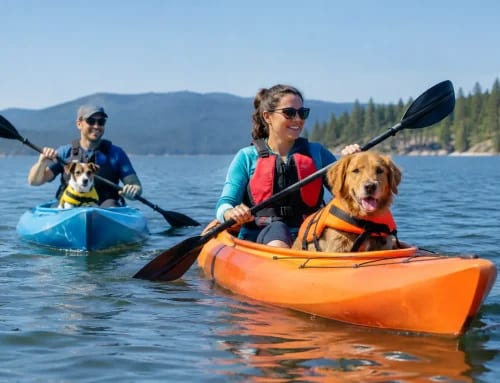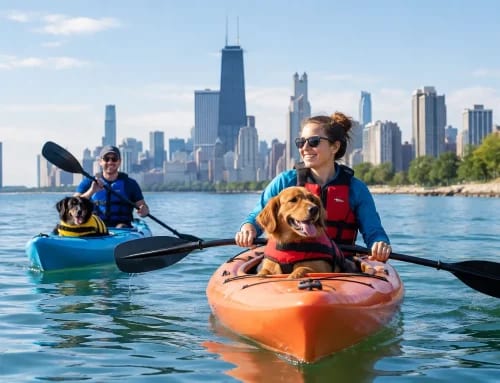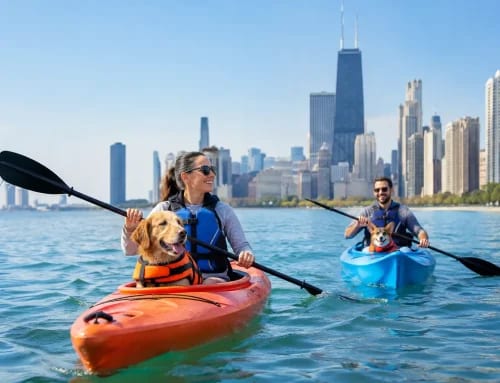
The good part of camping near Starved Rock is not waking up at 4 a.m. to beat Chicago traffic, wrestling a complicated setup into the trunk, or wondering whether everyone in your group will actually enjoy it. It is pulling into a waterfront campground, settling in beside the Illinois River, and realizing your weekend has room for both sandstone-bluff sightseeing and a paddle that beginners can feel good about.
For couples, families, first-time campers, friend groups, and dogs with strong opinions about fresh air, this corner of Illinois makes a genuinely easy escape. Starved Rock State Park is close enough for a day trip, but staying overnight changes the pace. You can trade the rush of a single afternoon for a campfire, an unhurried morning, and time on the water without turning the trip into a major expedition.
Why Camping Near Starved Rock Works So Well
Starved Rock is known for its canyons, trails, waterfalls after a good rain, and big views over the Illinois River. Those are excellent reasons to visit, but they can also make a one-day plan feel packed fast. Between hiking, parking, meals, and the drive home, the relaxing part can disappear.
Waterfront camping gives the weekend some breathing room. Set up camp first, take a trail walk when the mood strikes, then return to a site where the river is part of the view instead of a distant landmark. It is a better fit for people who want nature without a tightly scheduled outdoor boot camp.
It also makes sense for Chicago-area campers. A destination that is roughly within a 90-minute drive can feel far more restorative than its mileage suggests when you are swapping traffic noise for birds, trees, and a riverfront sunset. You do not need a week off or expert wilderness skills. You need a free weekend and a willingness to put your phone down for a while.
One quick naming note for trip planning: the nearby destination is Starved Rock State Park, not Starved Rock National Park. Search either phrase and you will likely find the same beloved Illinois landmark, but knowing the official name helps keep campground and trail plans clear.
Pick the Camping Setup That Matches Your Weekend
There is no prize for making camping harder than it needs to be. The best setup depends on how much gear you own, how much setup you can tolerate, and whether your group sees the tent as part of the fun or merely the place where they sleep after kayaking.
Tent camping for the classic campfire weekend
Traditional tent camping is the right move for campers who enjoy bringing their own gear and making a site feel like home. Pack a weather-ready tent, sleeping pads, warm layers for after sunset, lights, food storage, and a simple camp chair. The river can make evenings feel cooler than the forecast suggests, so an extra layer earns its spot in the bag.
Tent sites are especially good for families and groups because everyone can spread out, slow down, and make a full evening of it. Keep the setup realistic, though. A first camping trip is not the moment to test a 14-person tent with instructions written in microscopic print.
Pop-up camping when convenience is the whole point
Pop-up camping is made for the camper who wants the campsite experience without buying, storing, and learning a garage full of equipment. It removes much of the arrival-day fuss, which means more time to walk the riverfront, explore nearby trails, or get on the water.
This option is a strong choice for Chicago couples planning a spontaneous overnight, friends organizing a low-lift birthday weekend, or parents introducing kids to camping for the first time. You still get the good stuff: sleeping outdoors, campfire conversations, and a real break from normal routines. You just spend less time asking which pole goes where.
Teardrop camping for a cozy, elevated escape
A teardrop camper brings a little more comfort to the campground while keeping the trip outdoorsy. It is an appealing middle ground for campers who love the idea of waking up by the river but would rather not sleep directly on the ground. For couples, it can turn a simple weekend into a cozy getaway without the hassle of a large RV.
Teardrop camping also works well for people easing into outdoor overnights. You can enjoy the campground, the fire, and the morning air while having a more contained place to sleep. Availability and setup details can vary by date, so reserve early when a specific accommodation is part of the plan.
Add a Beginner-Friendly Illinois River Paddle
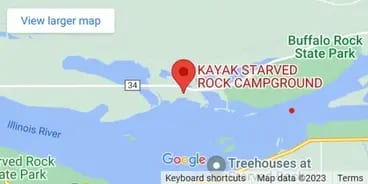
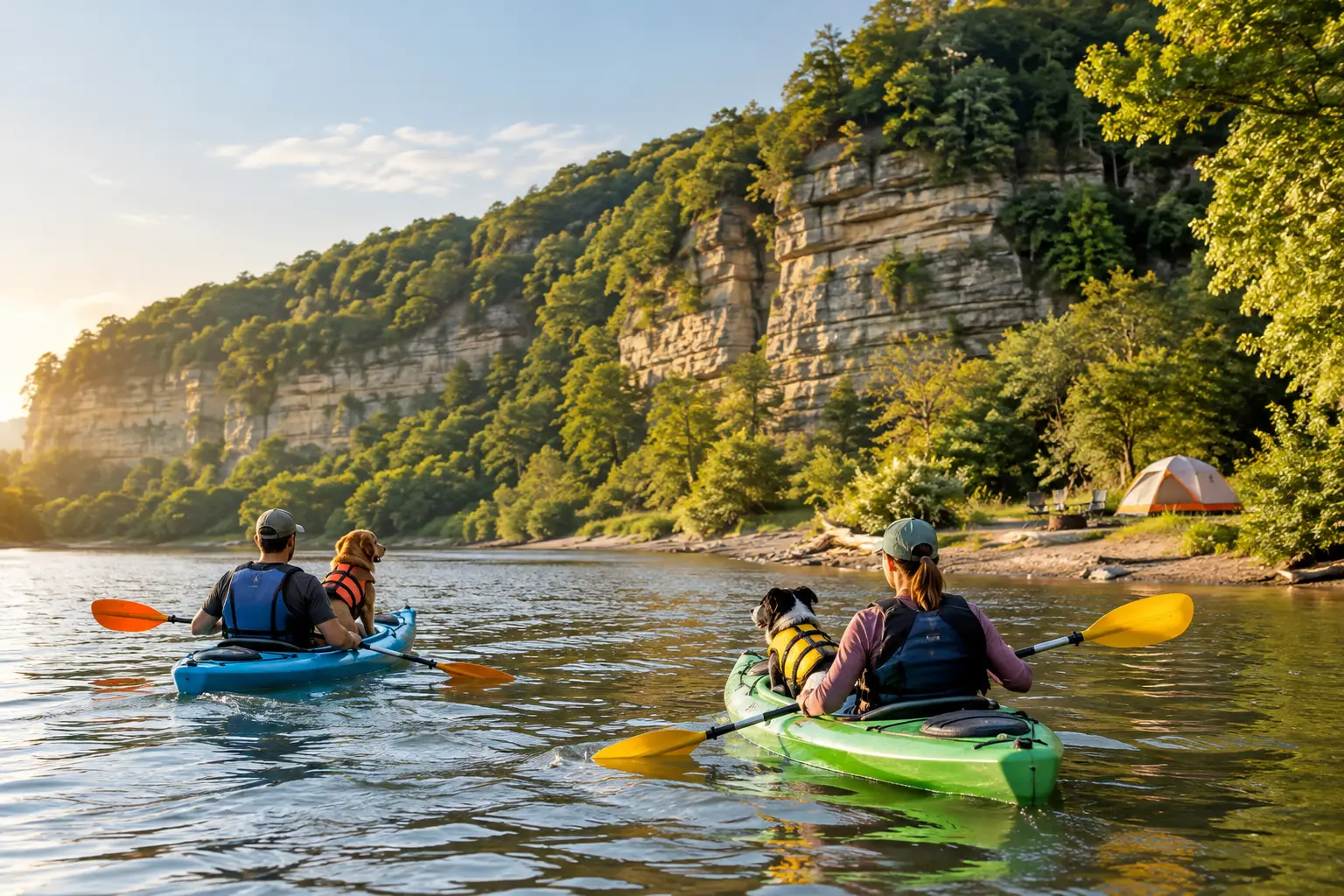
A campground near Starved Rock gets even better when your campsite and your activity are in the same place. Instead of loading everyone back into the car for an afternoon adventure, you can walk from camp to the launch and let the river set the pace.
The Illinois River here is dam-controlled, with flatwater conditions designed to feel approachable for casual paddlers. There is no current to battle, no shuttle puzzle to solve, and shallow water in the paddling area. That does not mean skipping safety. It means first-timers can focus on learning the basics, laughing at their first wobbly turns, and enjoying the scenery rather than trying to survive a technical river.
Kayak Starved Rock Campground offers rentals and guided kayak tours for that exact kind of low-stress adventure. A guided trip is especially useful if someone in your group says, “I have never done this before,” or “I am definitely going to tip over.” Guides provide instruction and on-water leadership, while the group gets to enjoy the experience together.
Every paddler needs to wear a properly fitted personal flotation device, or PFD, while on the water. That is non-negotiable and pleasantly uncomplicated. Wear it, listen to the launch instructions, respect the schedule and last-launch cutoff, and you are set up for a safer, happier paddle.
Dog-Friendly Camping and Kayaking Near Chicago
A weekend away is more fun when the dog gets to come too. Dog-friendly camping near Chicago can be difficult to find when you want more than a quick walk around a parking lot, but a riverside campground gives your four-legged copilot room to join the adventure.
Bring a leash, water bowl, waste bags, a tie-out or comfortable camp setup, and a familiar blanket so your dog can settle in. A dog that is relaxed at home may still need time to adjust to new sounds, campfires, other campers, and the sight of a kayak. Give them that time.
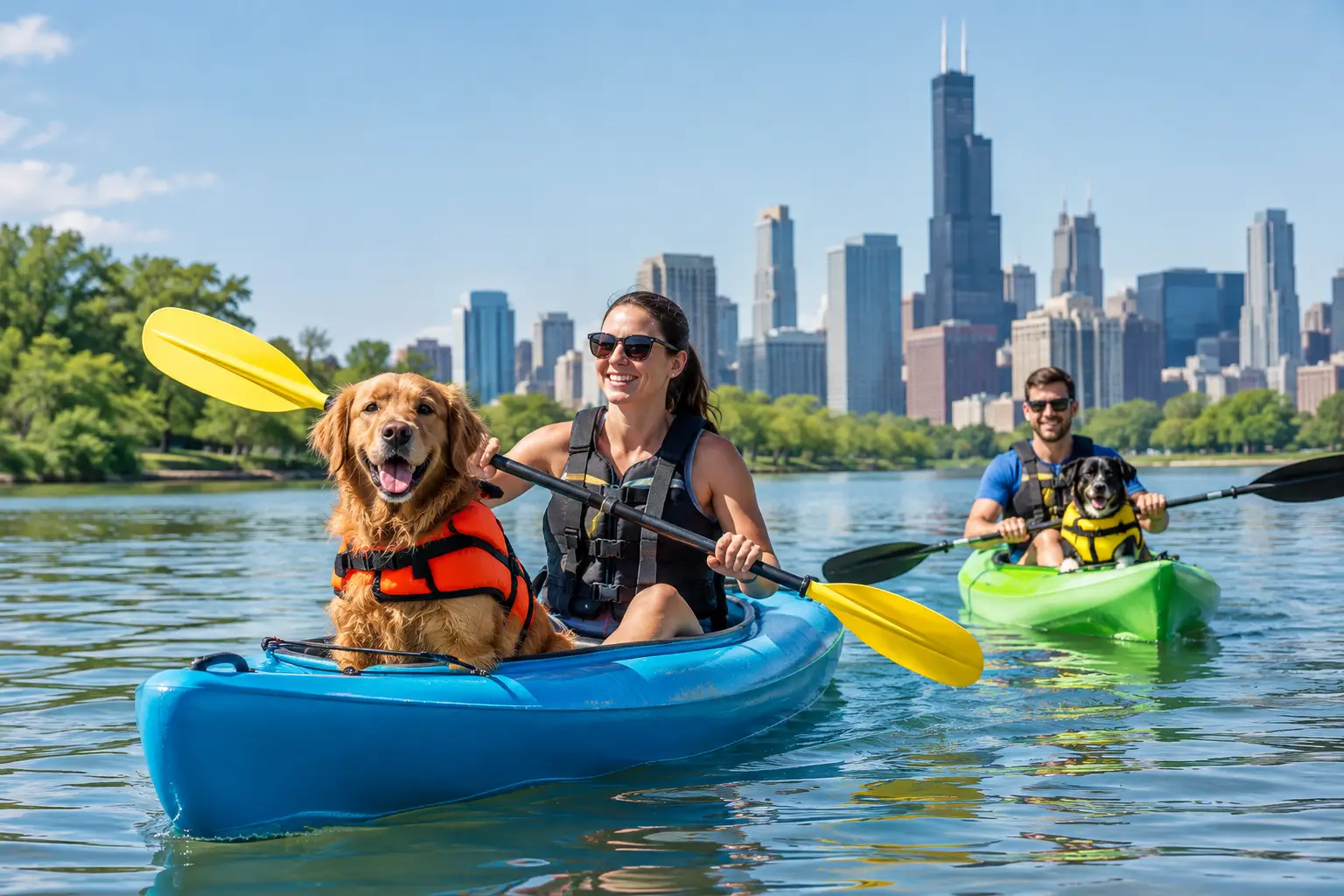
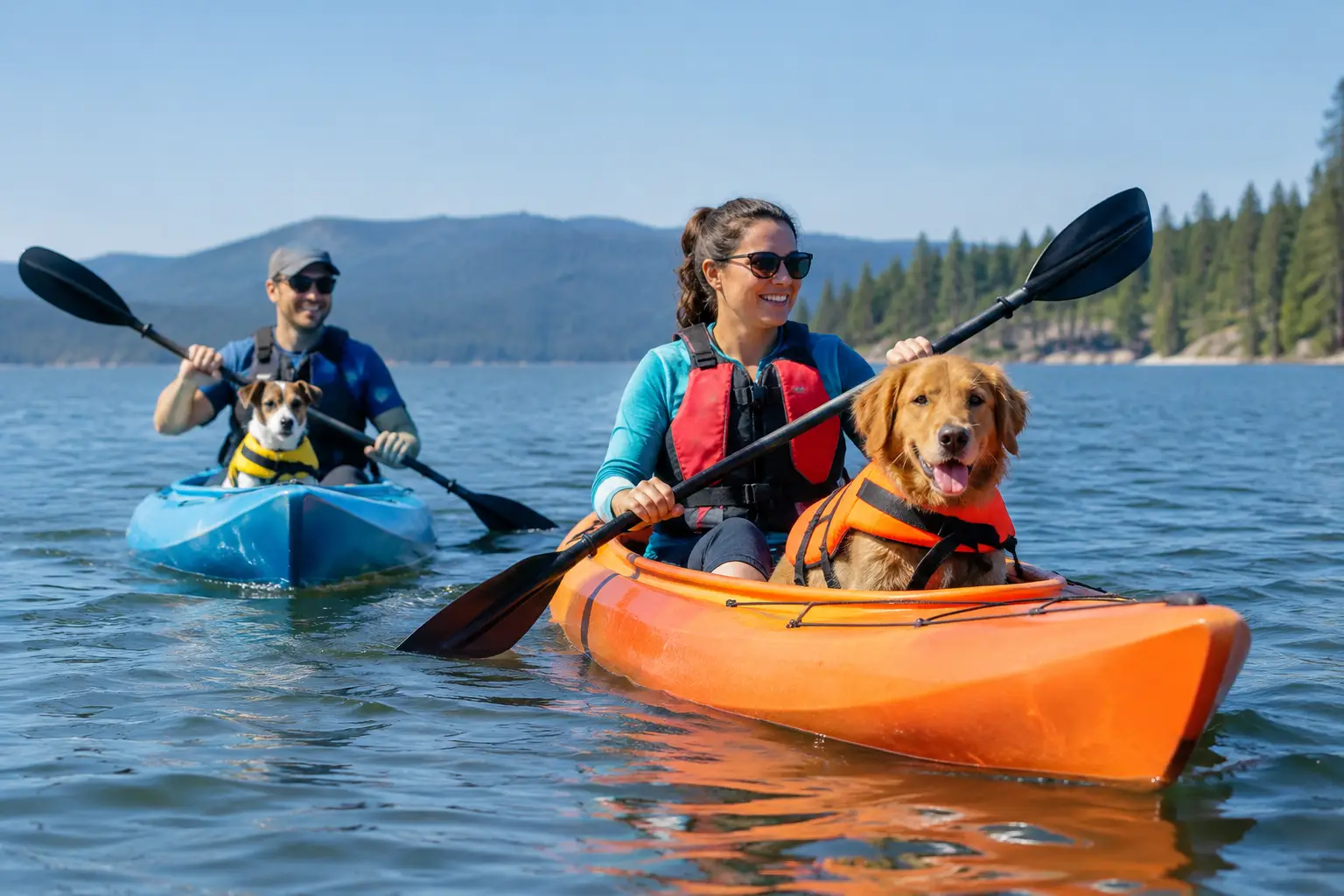
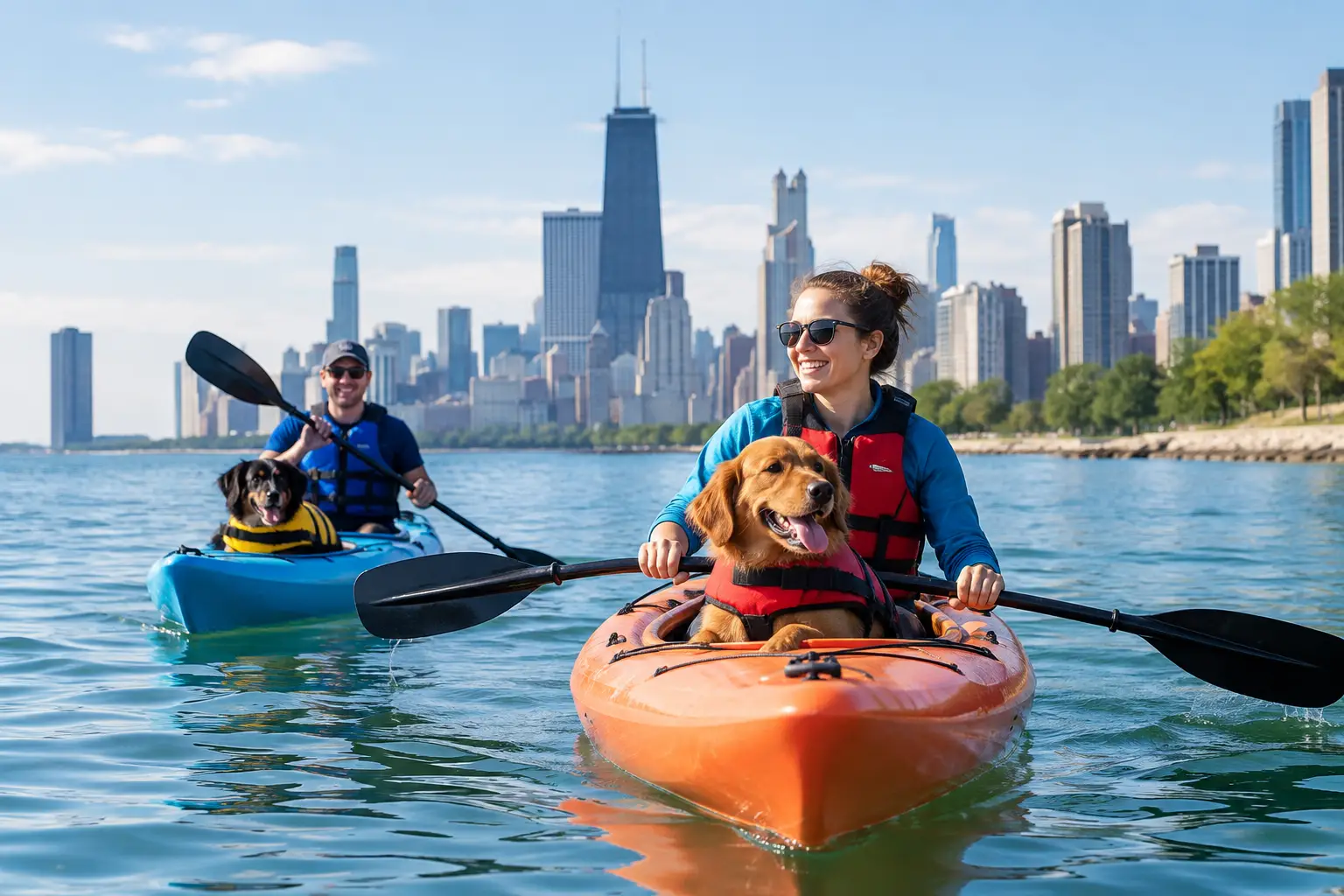
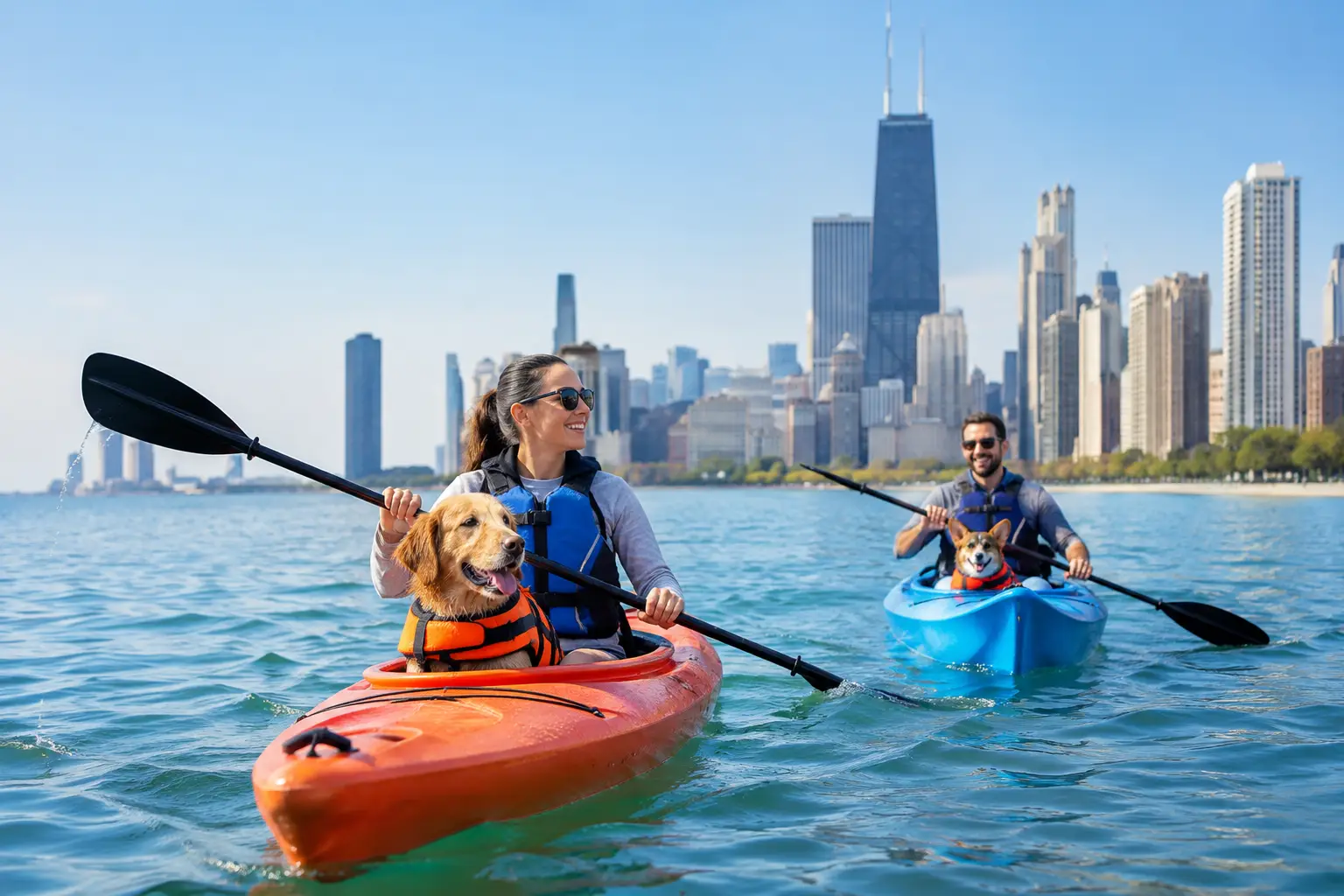
Dogs can join kayaking plans when they are comfortable around water and can stay settled in the boat. Be honest about your pet’s personality. If your dog is likely to leap after every bird or greet every passing kayak at full volume, a trail walk and camp hang may be the better assignment. A dog PFD is a smart addition for any canine joining the paddle.
A Simple Two-Day Plan That Does Not Feel Overplanned
Arrive with enough daylight to get settled, then make the first evening easy. Set up your tent, pop-up campsite, or teardrop space, take a short walk along the river, and let dinner be simple. The goal is not to produce a wilderness cooking show. The goal is to be outside.
On the first full day, paddle while everyone has energy and curiosity. A guided kayak tour can build confidence quickly, while a rental lets more experienced casual paddlers move at their own pace within the established rules. Afterward, dry off, grab food, and head toward Starved Rock State Park for a hike or scenic overlook.
Save the second morning for coffee, a quiet river view, and a final short walk before packing up. That lighter finish matters. People often try to squeeze every attraction into a weekend, then return home needing another weekend. Leave one thing for next time.
What to Pack for a Better Waterfront Campout
Weather changes, especially near the river, so pack for comfort rather than wishful thinking. Along with your sleeping gear, bring layers, rain protection, sun protection, refillable water bottles, a small first-aid kit, insect repellent, and shoes that can handle both trails and a damp shoreline. For kayaking, choose clothes that can get wet and secure anything you do not want to lose in the water.
If you are renting a kayak or joining a tour, arrive on time and pay attention during the safety briefing. Premium equipment and friendly guides make the day easier, but the best paddlers are still the ones who follow directions and look out for the people in their group.
Camping near Starved Rock does not need to be rugged to be memorable. Pick the setup that lets you relax, reserve your waterfront stay and paddle time before the popular dates fill up, and give yourself permission to have a weekend that is mostly fresh air, river views, and zero rush.