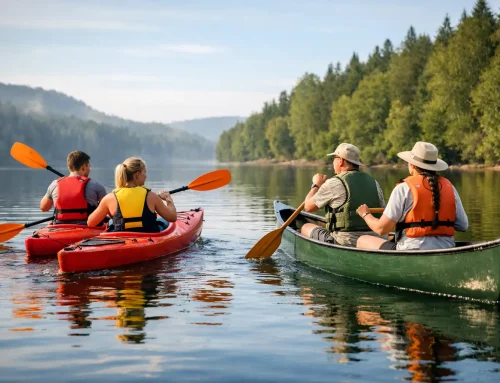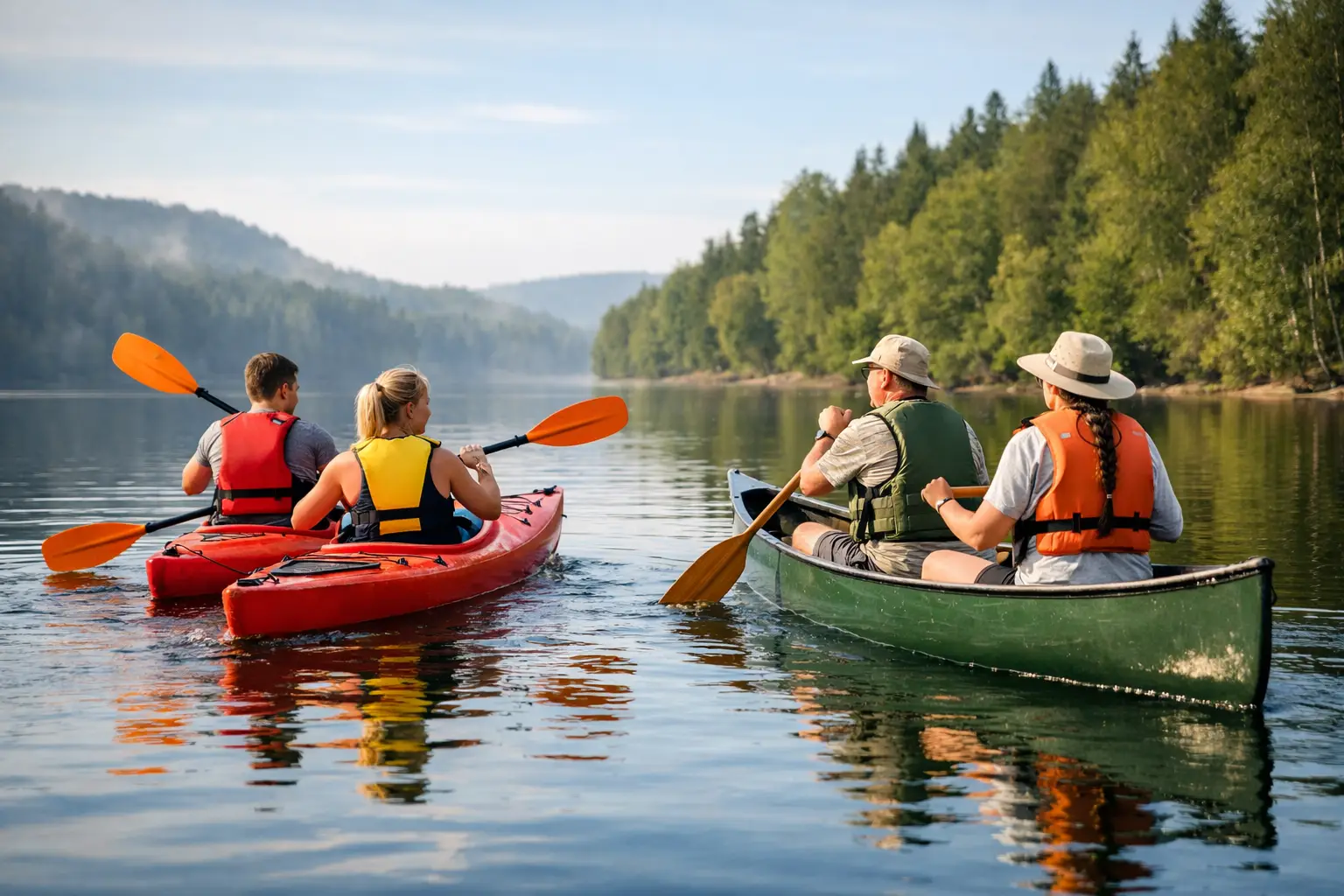
You want a first kayak trip that feels like a fun reset – not a surprise workout with a side of panic.
That is the real challenge with beginner kayaking near Chicago: a lot of places look calm from the parking lot, then you get on the water and realize the wind is bossy, the current has opinions, and your group is quietly negotiating who is “going first.” The good news is you can absolutely have an easy, confidence-building paddle close to the city. You just have to choose your water like you choose your brunch spot: the vibe matters.
What “beginner-friendly” really means near Chicago
Beginner-friendly is not a marketing word. It is a set of conditions that make learning feel obvious instead of overwhelming.
First, look for flatwater. That can mean a calm river section or a protected lake area where the water is not pushing you downstream and you are not fighting constant chop. Second, you want predictable access – a simple launch, clear return route, and no complicated shuttle logistics. Third, you want support: someone who will show you how to get in and out without doing the accidental “kayak split,” adjust your foot pegs, and explain what to do if the wind turns your boat into a slow-motion shopping cart.
If you are bringing kids, a nervous partner, or a dog with main-character energy, add one more requirement: a setting where you can take your time without feeling rushed by waves, wakes, or boat traffic.
Choosing the right water for your first paddle
Around Chicago, “where should we go?” usually comes down to three options: Lake Michigan, inland lakes, and rivers. All can be great. They just come with different trade-offs.
Lake Michigan: gorgeous, but not always beginner day-one
The lake is iconic, and on the right day it is stunning. The catch is that it is still the lake. Wind can pick up fast, waves can build, and cold water is a real factor outside peak summer. If you are a true first-timer, the lake can be amazing with a guided group and the right forecast, but it is not the most forgiving place to figure out your paddle stroke.
If you do choose the lake, treat weather as the deciding factor, not your schedule. A calm morning can be perfect, and the exact same spot in the afternoon can feel like a totally different sport.
Inland lakes: usually calm, sometimes crowded
Small lakes and reservoirs are often the easiest place to get comfortable. You can stay close to shore, practice turning, and take breaks. The trade-off is that popular lakes can get busy with powerboats, and boat wakes can surprise beginners. You can still have a great time – just aim for earlier launch times, and stick to quieter coves when you can.
Rivers: pick the right kind of river
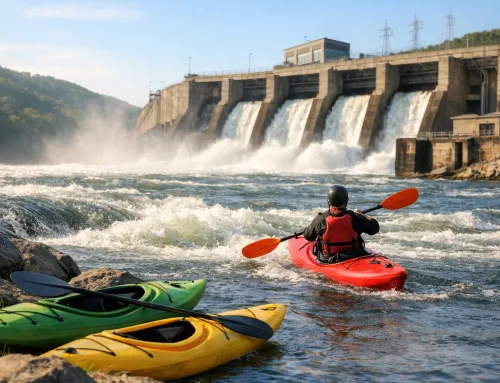
Some rivers near Chicago have noticeable current, strainers (downed trees), tight turns, and occasional low bridges. None of that is automatically bad – it just adds complexity.
For a first trip, the most beginner-friendly river experience is one where the water levels are dependable and the current is minimal, so you are not accidentally speed-running your outing. Bonus points if the water is shallow enough that it feels less intimidating, and if the route is simple enough that you are never wondering, “Are we going the wrong way?”
A simple plan for a first-time kayak day trip
If you want your first paddle to feel like a win, plan it like this.
Start with a two-hour window on the water. That is long enough to learn, explore, and relax, and short enough that your shoulders do not start sending complaint emails. Pick a morning or early afternoon slot, when winds tend to be lighter and you are not racing sunset.
Decide whether you want self-guided or guided. If you are the type who likes clear structure, a guide is basically your on-water cheat code. You get instruction, a leader to follow, and someone who can fix little issues before they turn into big stress. If your crew is confident, coordinated, and you are paddling truly calm water, a self-guided rental can be easy and flexible.
Build in time for the “first 15 minutes.” That is when you adjust your seat, figure out how your boat tracks, and learn the basic rhythm. If you plan a tight schedule, you will feel flustered right when you should be settling in.
What to wear and bring (without packing like you’re moving)
Dress for water and weather, not for photos. Quick-dry clothes beat cotton every time. Even on a warm day, splashes happen, paddles drip, and someone always ends up wetter than they planned.
Closed-toe shoes are your friend for launching and landing. Sun protection matters more than most first-timers expect because the water reflects light back up at you.
Bring water. Bring a snack if you are paddling more than an hour. And bring a dry bag or at least a secured container for keys and phone – not because you plan to flip, but because beginner kayaking is full of small fumbles.
One more thing: don’t “save” your sunscreen for later. Put it on before you paddle. On the water, later arrives quickly.
The confidence basics: three skills that change everything
You do not need to learn ten techniques to have fun. Three basics will carry you through most beginner outings.
First is how to go straight. Keep your hands relaxed, use torso rotation instead of just arms, and take even strokes. If you feel like you are zig-zagging, slow down and match your stroke length on both sides.
Second is how to stop. Beginners forget stopping is a skill. Drag your paddle gently behind you to slow down, and give yourself extra space near docks, shorelines, and other paddlers.
Third is how to turn calmly. A wide, slow sweep stroke works. If you get turned around, pause, take a breath, and reset. The water is not a timed test.
What beginners worry about (and what actually happens)
Most first-timers are secretly thinking about tipping over. That is normal. The reality is that on flatwater, most people do not flip. What happens more often is smaller, sillier stuff: someone bonks the dock, drops a paddle, or ends up facing the wrong direction while laughing.
If tipping is your big fear, choose a setting with calm, shallow water and clear instruction. Knowing how to do a safe exit and what to do if your boat wobbles takes the mystery out of it.
Also: you do not have to be strong. You do not have to be athletic. You just need a boat that fits, a paddle that is the right size, and a plan that matches your comfort level.
Where to go for beginner kayaking near Chicago
If you are searching “beginner kayaking near chicago,” you are probably trying to balance three things: it needs to be close enough for a day trip, calm enough to feel safe, and scenic enough that it feels worth leaving the city.
For a lot of Chicago-area first-timers, Starved Rock country hits that sweet spot because it feels like a real getaway without turning into a three-day logistics project. You get big nature, interesting shoreline, and that satisfying “we actually went somewhere” feeling.
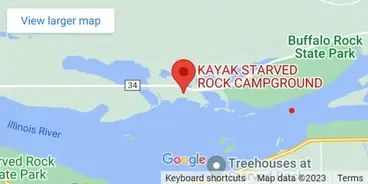
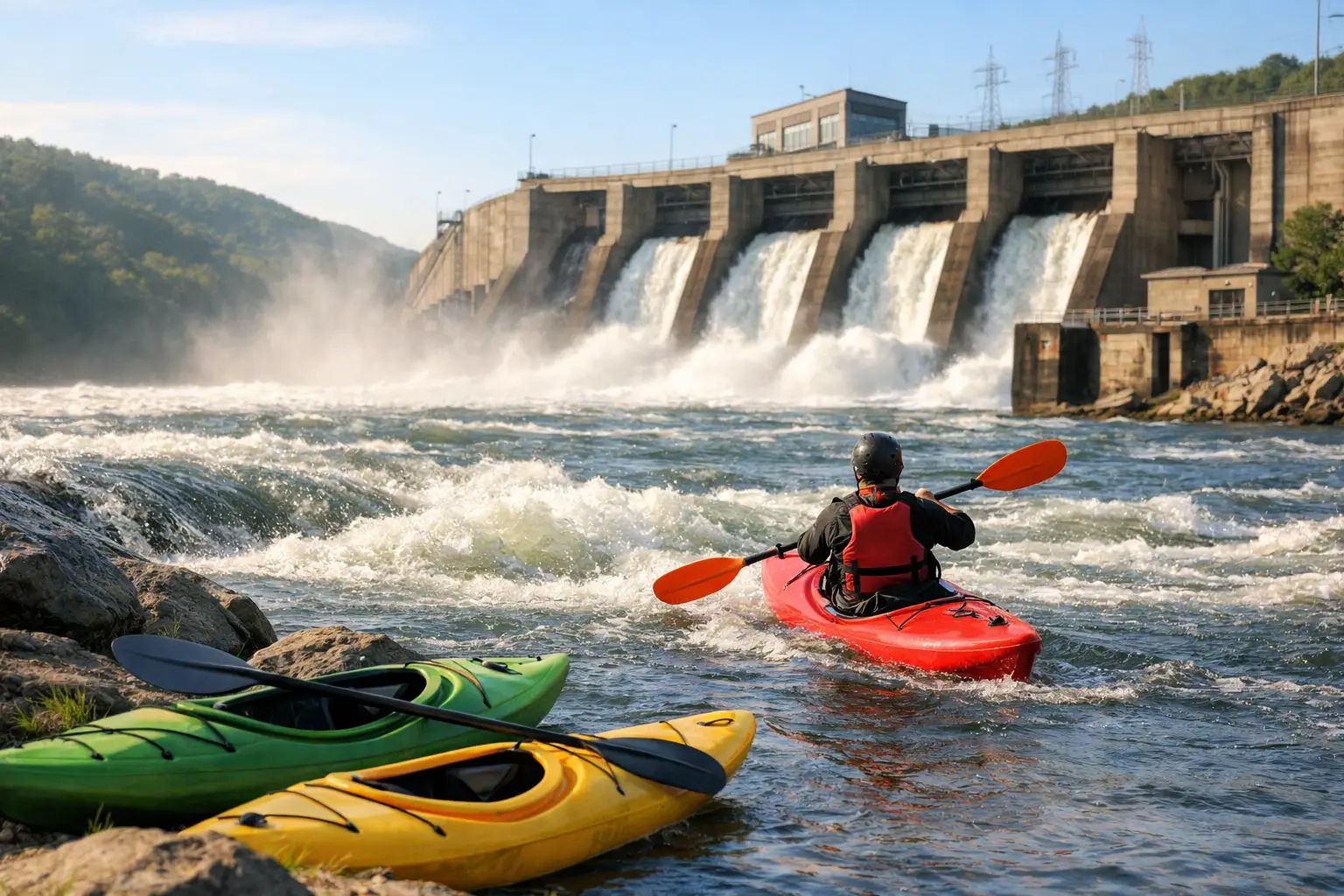
One option that is specifically built around first-timers is Kayak Starved Rock Campground, which runs on the Illinois River directly across from Starved Rock State Park. The vibe is very “we’ve got you.” The water is dam-controlled, which helps keep conditions consistent, and the experience is structured with clear rules that make beginners feel safer – things like PFD requirements, defined hours, and last-launch cutoffs so nobody is still paddling when the light changes.
If you want the easiest entry point, a guided tour is often the smoothest way to start because you get safety instruction, on-water leadership, and the comfort of following someone who knows the route. If you prefer to move at your own pace, rentals can be a great fit too, especially when you have on-site support, maps, and an easy launch.
Rental vs guided tour: how to pick without overthinking it
A rental is perfect when your group is low-drama and you mainly want freedom. You can stop for photos, float a little, and keep the pace casual.
A guided tour is perfect when you want someone else to handle the details. It is also a great choice if you are bringing kids, introducing a friend to kayaking, or you personally love knowing, “If something feels weird, I can ask a professional right now.”
The trade-off is simple: rentals give you independence, guided tours give you confidence faster. Neither is “better.” The best choice is the one that keeps your group relaxed.
Make it a weekend without turning it into a big trip
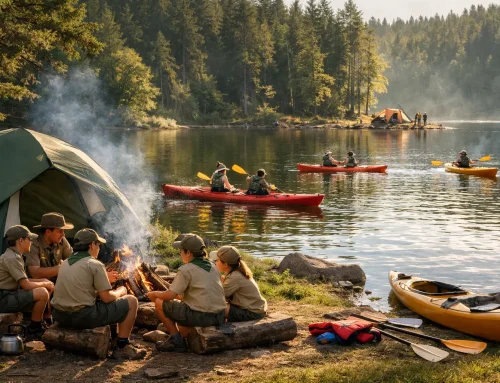
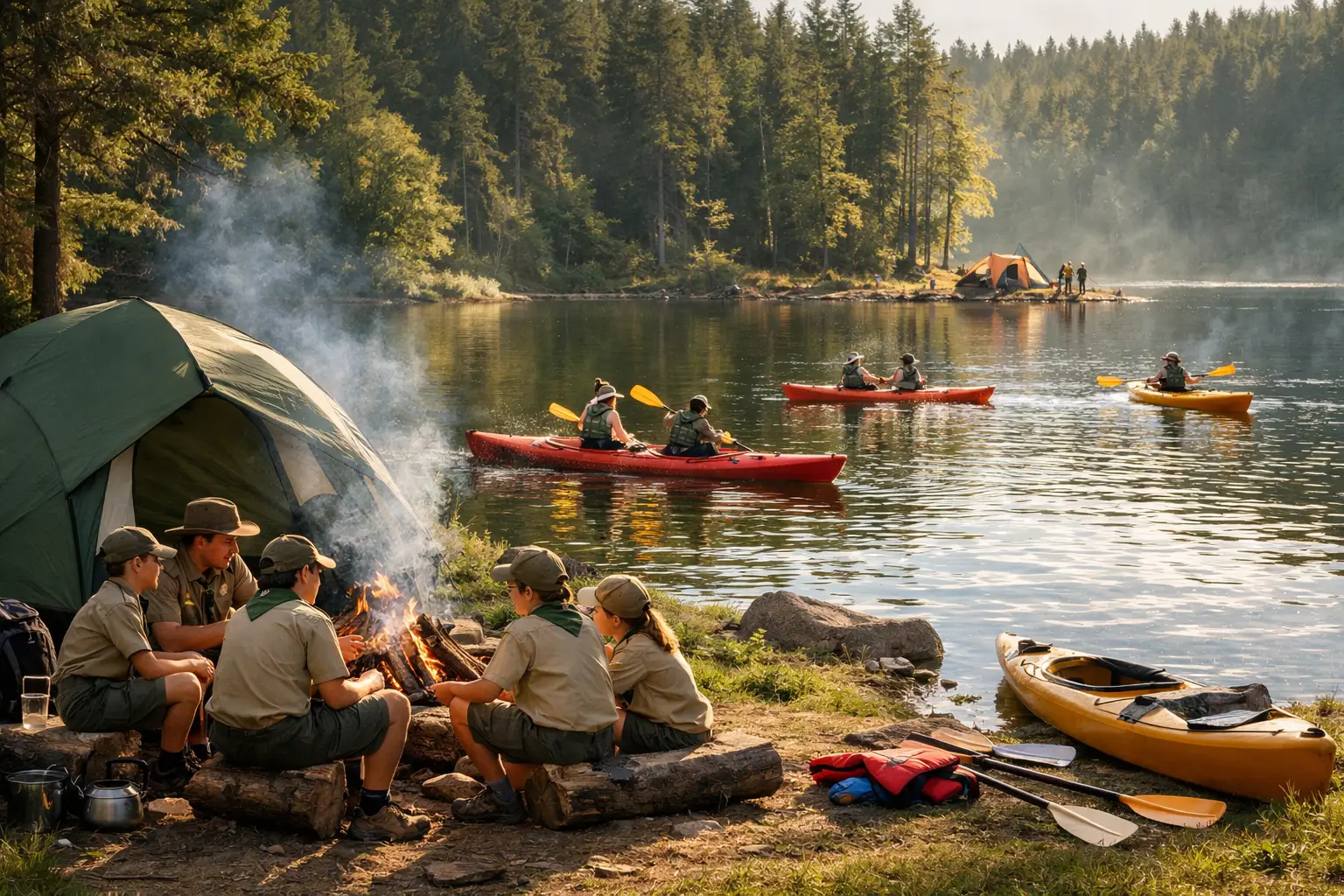
A lot of people try kayaking once as a day trip and immediately wish they had stayed longer. If that is you, consider pairing paddling with camping so the whole weekend feels slower.
Camping adds a built-in bonus for beginners: you are not racing home, so the day feels less compressed. You can paddle, come back, eat, take a break, and then do a short second paddle the next morning when the water is usually calmer.
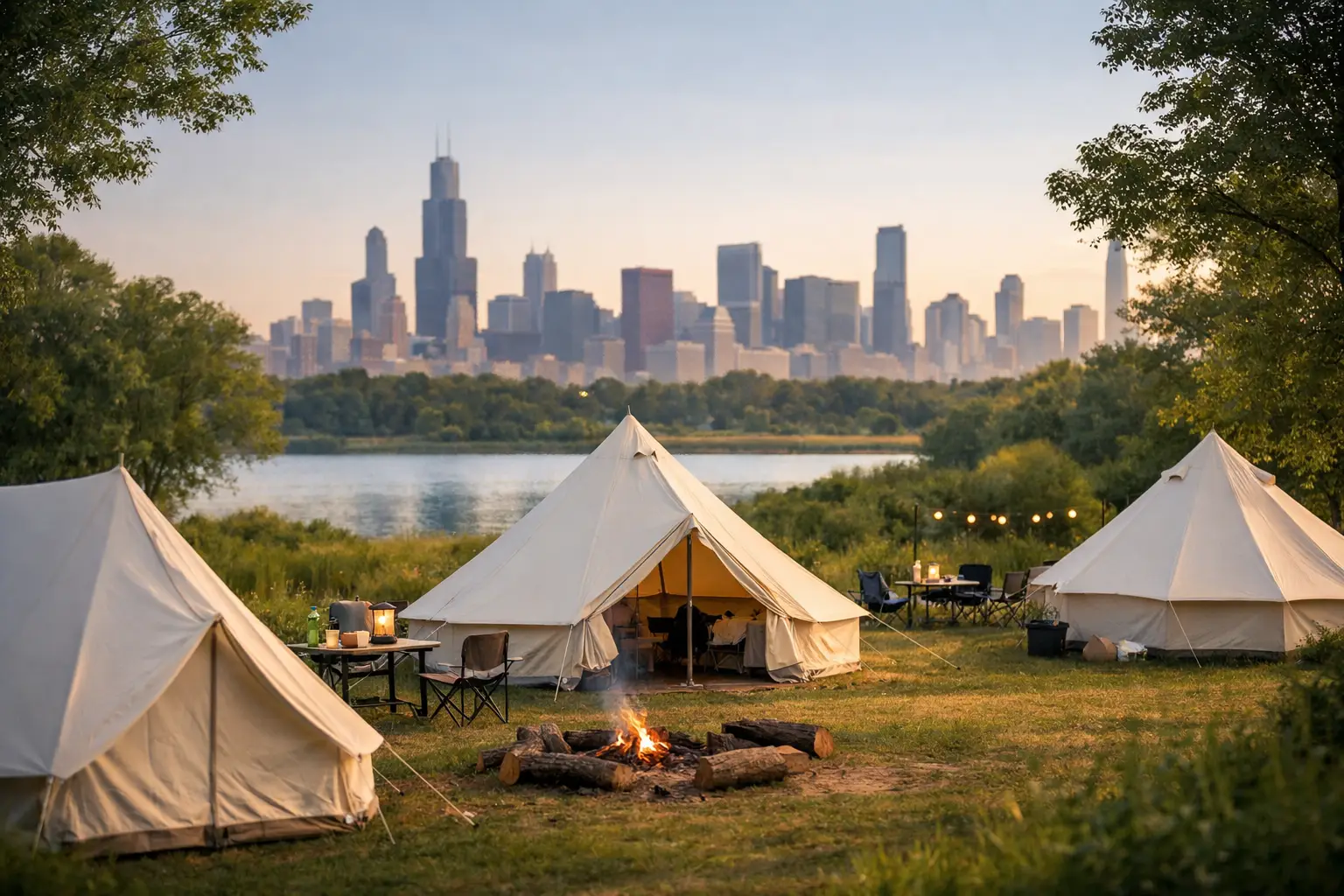
If you are new to camping too, look for simple add-ons like tent rentals or pre-set options. It is way easier to enjoy your first night outside when you are not also troubleshooting poles in the dark.
Kayaking Safety Rules That Make Your First Paddle More Fun
Wear the PFD the whole time. Not “most of the time.” The whole time. It is the easiest safety decision you will ever make.
Check the weather like you mean it, especially wind. Wind is what turns a relaxing paddle into a frustrating one.
Stay with your group. Beginners do best when no one feels left behind or pressured to keep up. If your party has different comfort levels, paddle at the pace of the most cautious person. That is how you get everyone to come back for round two.
Closing thought: your first kayak trip does not need to be epic – it just needs to feel good enough that you catch yourself planning the next one on the drive home.