That late-afternoon urge to get on the water is real. But if you are asking, what time do kayak launches close, the most useful answer is: earlier than the campground or parking area closes – and the exact cutoff can change with the season, daylight, weather, and the type of paddle you book.
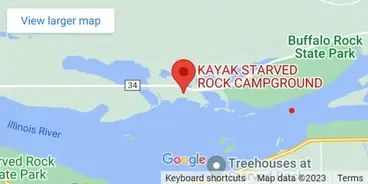
At Kayak Starved Rock Campground, launch times are planned to leave guests enough daylight for a relaxed paddle, a proper return, and a safe finish to the day. That means a last-launch cutoff is not a buzzkill. It is what keeps a spontaneous near-Chicago adventure from turning into a race against sunset.
What Time Do Kayak Launches Close?
There is no single universal closing time for kayak launches. A launch may stop accepting new paddlers well before sunset, and it may close earlier in spring and fall when daylight disappears faster. Summer schedules often allow later starts, while shorter days, storms, high winds, staffing needs, special events, or river conditions can move the cutoff earlier.
The practical rule is simple: book or arrive well before the final launch window, not at the edge of it. A rental launch involves more than handing over a paddle. Guests need to check in, get fitted for required PFDs, hear the safety rundown, learn the route, and get comfortable getting in and out of the kayak. First-timers deserve time for all of that without feeling rushed.
For the most accurate time on your date, check the current booking availability before you drive out. Online inventory reflects the operating schedule far better than a general assumption based on sunset. If the final available start time is gone, it is gone for a reason.
Why Last Launches End Before the Day Ends
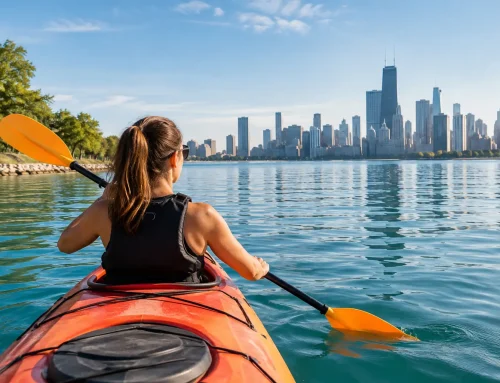
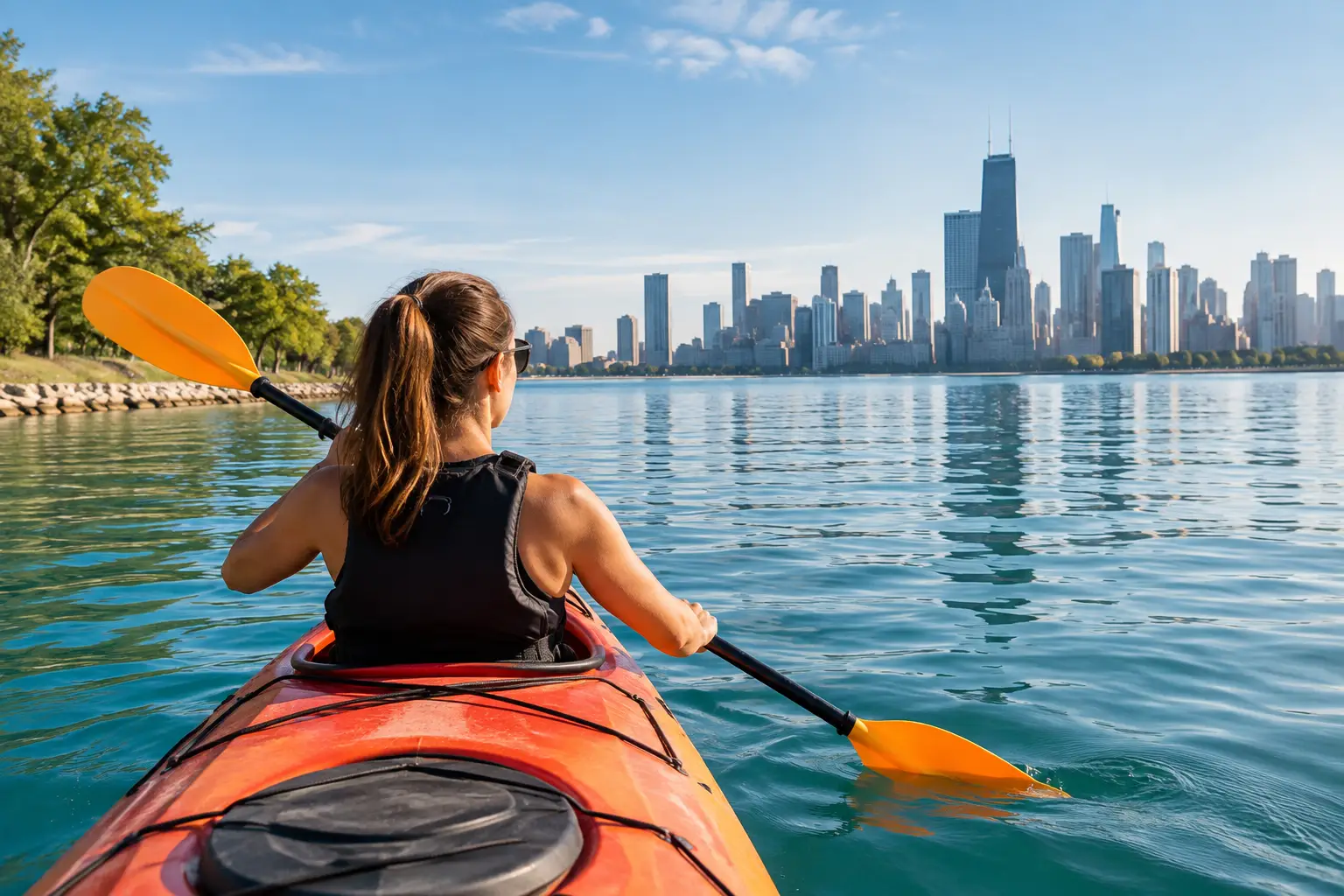
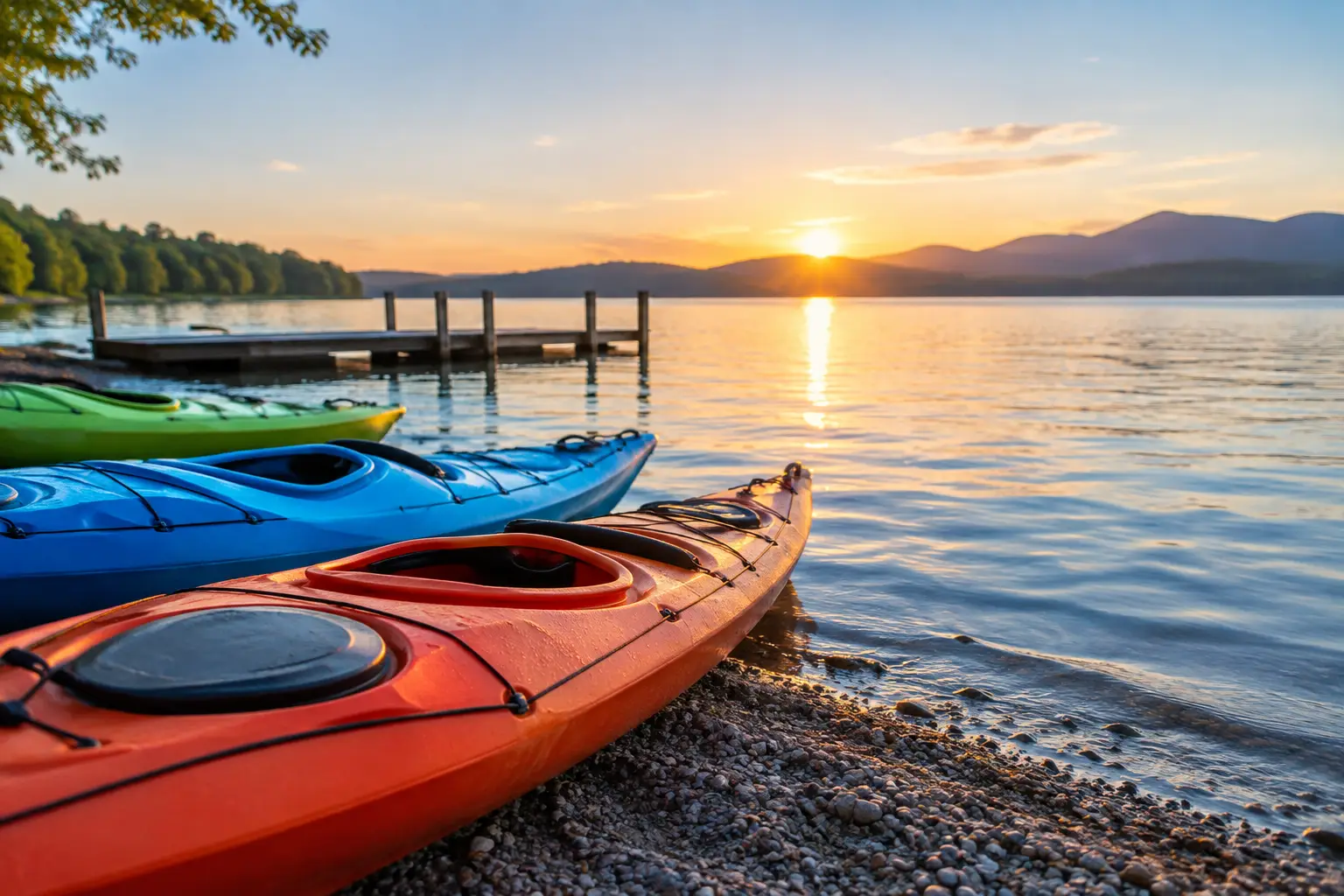
A kayak launch cutoff protects the best part of the experience: the part where you can relax. On a flatwater paddle near Starved Rock, you should have time to look up at the sandstone bluffs, drift with your crew, take a few photos, and laugh when someone realizes their “expert paddling technique” is mostly splashing.
Launching too late changes the mood. Light fades, temperatures can drop, and every small decision takes longer when people are tired. Even on beginner-friendly water with no current, a group can take more time than expected to settle in, switch seats in a tandem, stop for a snack, or paddle back after spotting a great view.
There is also a real operational reason. Staff need to know everyone is safely off the water, inspect and put away equipment, and close out the waterfront for the evening. A stated cutoff gives guides and guests a clear plan. It is part of the same thoughtful structure that makes kayaking approachable for families, couples, dog owners, and people who have never held a paddle before.
Plan Your Arrival, Not Just Your Launch
The best way to avoid missing the last launch is to build in a little breathing room. Treat your reservation time as the time you should be ready to begin the check-in process, not the time you pull into the driveway with one shoe on and iced coffee in hand.
Aim to arrive early enough to park, use the restroom, organize your group, and handle the usual “Where is my water bottle?” moment. If you are bringing kids, a dog, or friends who have a talent for arriving separately, add extra time. Groups almost always take longer to assemble than they expect.
A few details can also affect how smoothly your launch goes:
- Every paddler needs a properly fitted PFD. Life jackets are required on the water, period.
- Tandem kayaks are fun for couples and families, but they work best when both paddlers agree that communication beats blame.
- Dogs can make excellent paddle buddies, but bring water, a leash for shore time, and a plan for helping them get in and out safely.
- Weather can change a schedule. Thunderstorms, strong winds, and unsafe conditions are not “push through it” situations.
The goal is not to make the day feel overly scheduled. It is to protect the carefree part of it.
Rentals, Guided Tours, and Your Best Timing
A self-guided rental and a guided kayak tour may have different launch windows. Guided tours run on a set schedule because the guide is leading the group, covering safety instruction, and pacing the route so everyone can enjoy it. If your group wants a more social, supported first experience, a tour can be a great choice – especially when you would rather focus on the views than on figuring out where to go.
Self-guided rentals offer more flexibility within the day’s available slots, but they still have a final departure time. A late rental start may give you less time on the water than an earlier one, so consider what kind of day you want. If your crew is coming from Chicago, it can be tempting to squeeze in a paddle after a long drive. If you have the option, choose a mid-day arrival instead. You will feel less hurried and have more time to enjoy the river.
Morning and early afternoon are especially good choices for families with younger kids, first-time kayakers, and anyone pairing a paddle with hiking at Starved Rock State Park. Later starts can be lovely on warm summer days, but only when they are within the posted schedule and leave plenty of time to return.
Camping Makes the Schedule Easier
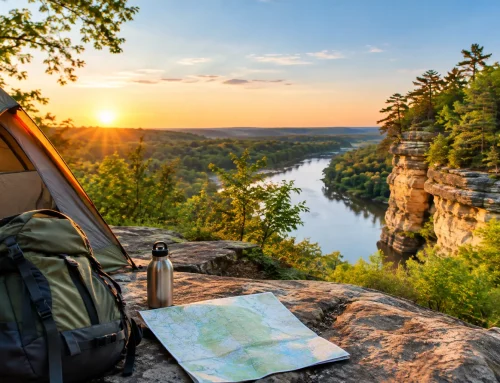
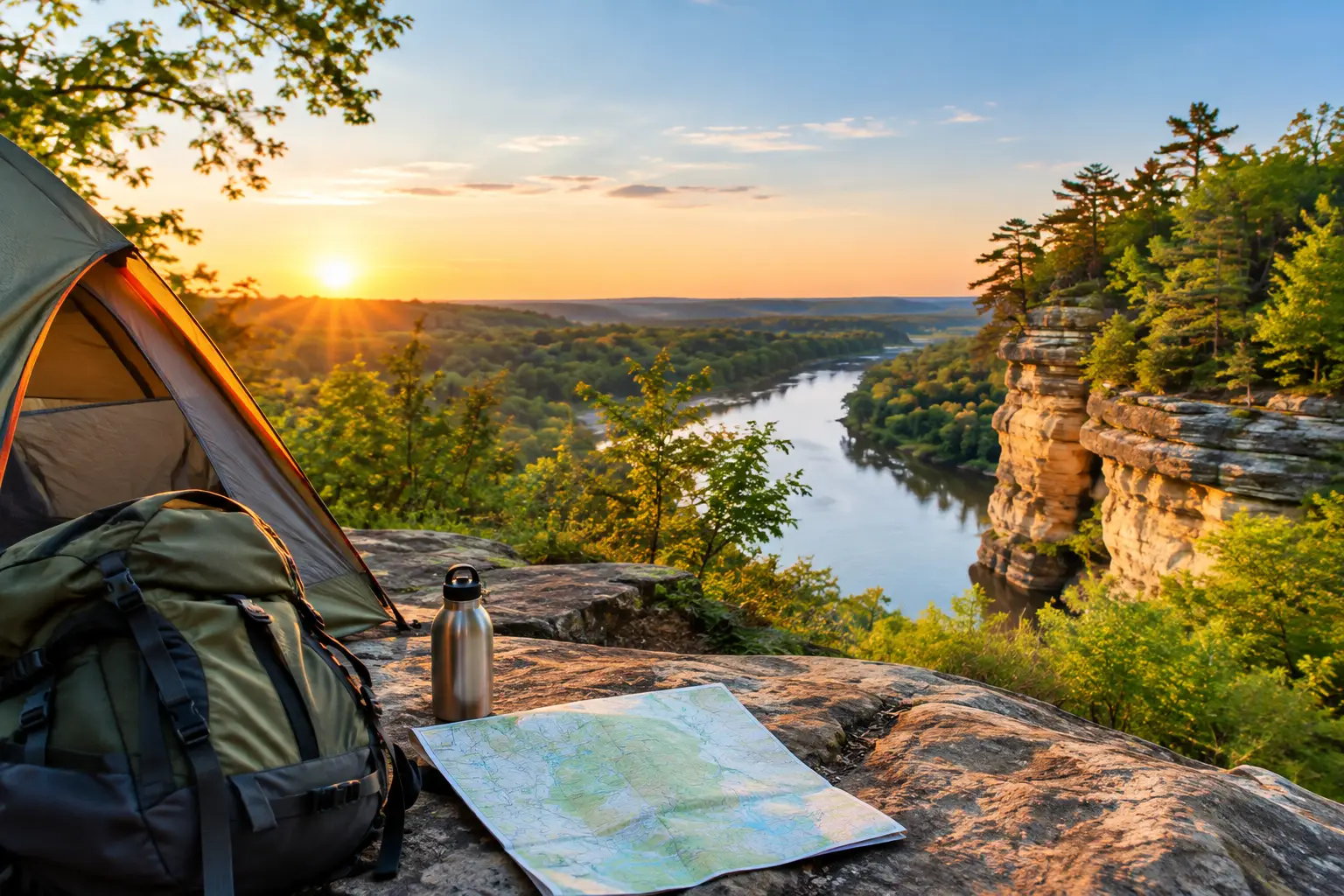
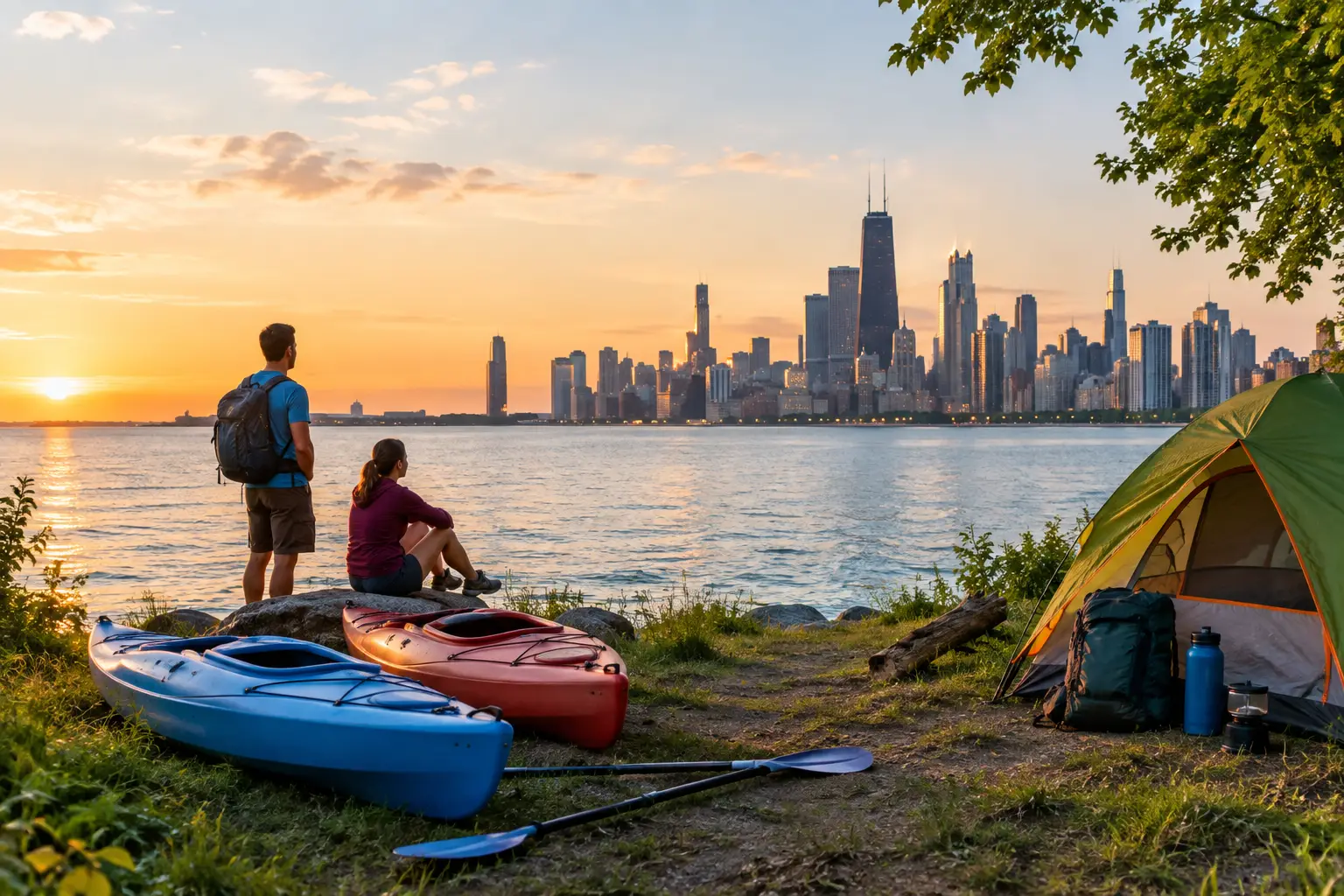
A waterfront campsite changes the whole rhythm of a Starved Rock weekend. Instead of driving in, paddling, and racing home, you can make the kayak portion one part of a bigger escape. Set up a tent, bring a pop-up camper, or settle into a teardrop camping setup, then plan your paddle around the day without packing every minute tight.
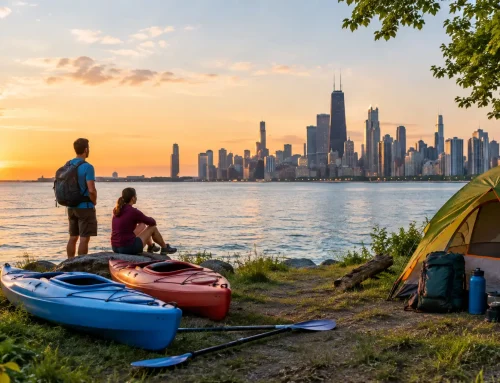
Camping near Starved Rock State Park is a strong option for couples who want a low-key weekend, families who need a slower pace, and friend groups who want campfire stories after their time on the water. It also makes an earlier launch feel like a feature, not a compromise. Paddle while the day is bright, then spend the evening cooking, relaxing, and listening to the river instead of staring at brake lights on the way back to the city.
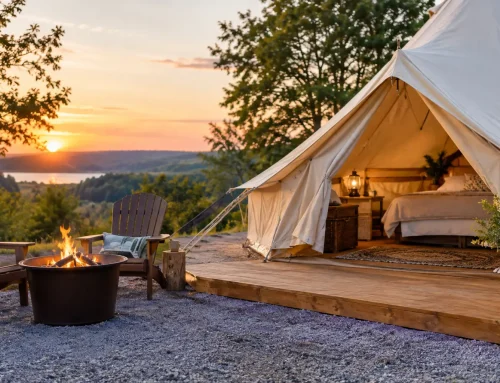
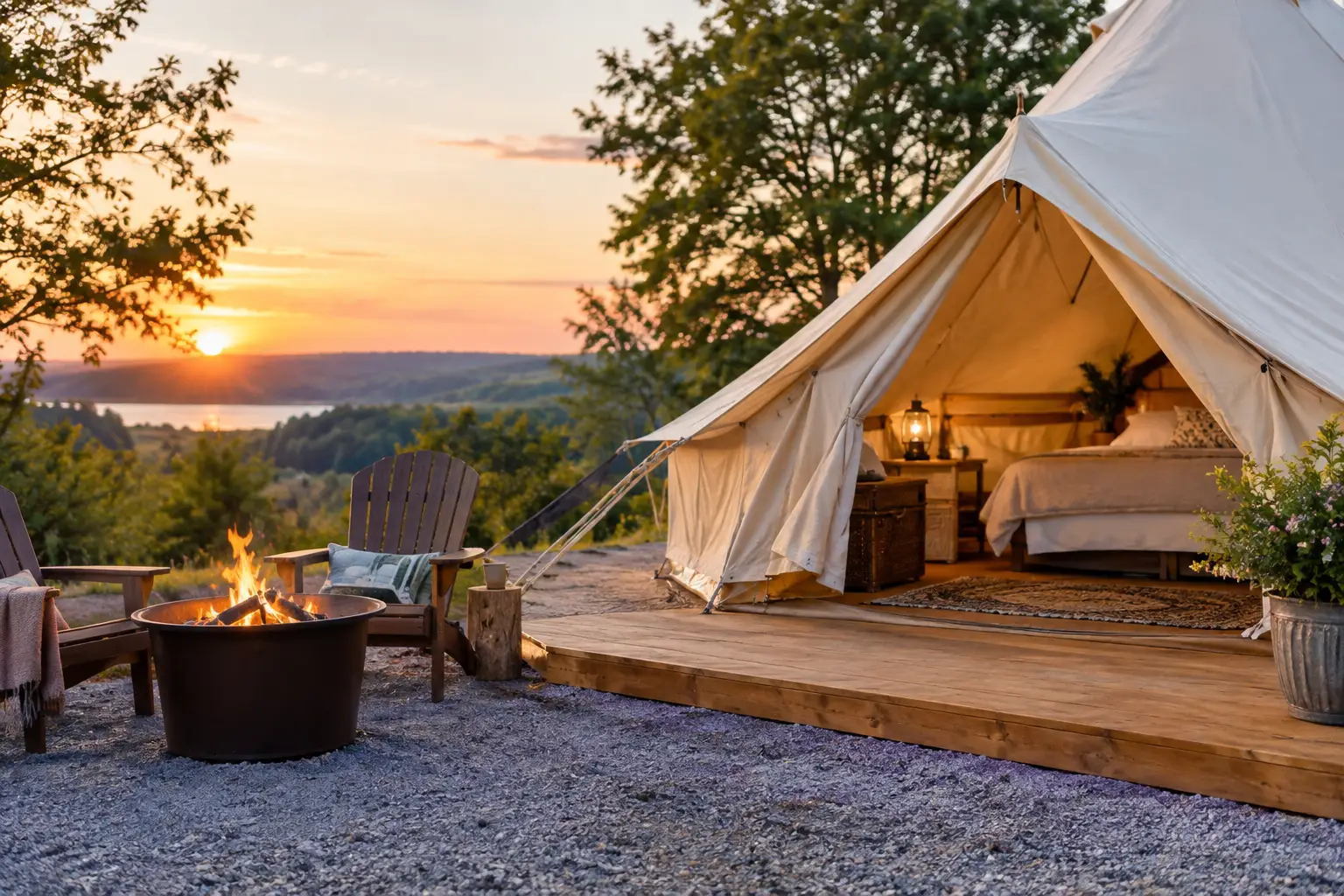
For guests who want the outdoors without a full gear-haul operation, glamping-style add-ons and tent rental options can make the trip easier. The point is simple: less setup stress, more time outside.
A Smart Late-Season and Late-Day Strategy
If you are visiting in spring or fall, do not judge the launch schedule by a July memory. The air may still feel perfect for kayaking, but daylight has a different plan. Book an earlier time and bring an extra layer for after the paddle. A dry shirt and warm sweatshirt can make the campfire portion of the day much better.
For a summer visit, watch the forecast and respect the posted closing times even if the sky still looks bright. Evening weather can build quickly, and a launch operation needs enough daylight buffer to respond responsibly if conditions shift.
If your preferred time is unavailable, resist the urge to treat that as a ruined plan. Make it a reason to adjust. Hike first, reserve an earlier paddle the next day, or turn the trip into an overnight waterfront camping escape. The river will be more fun when you are not trying to outrun the clock.
The Best Rule for a Stress-Free Paddle
Think of the last launch as the final call for a full experience, not the final second you can possibly touch the water. Book ahead, arrive early, wear your PFD, and give your group enough daylight to paddle at an easy pace.
That little bit of planning creates the kind of day people actually remember: calm water, big bluff views, a dog with its ears in the wind, kids proudly steering their first kayak, and no frantic glance at the time on the way back to shore.