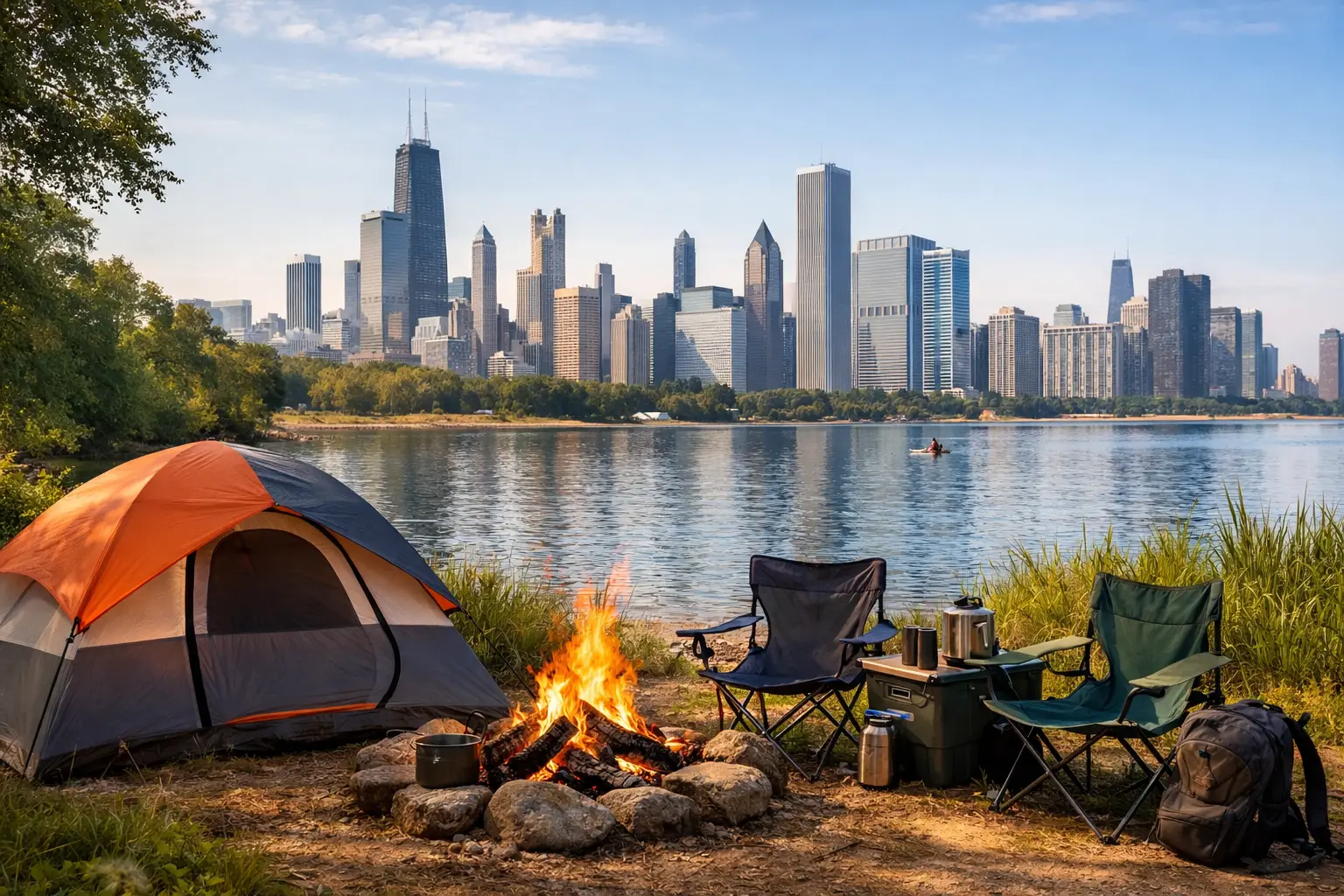
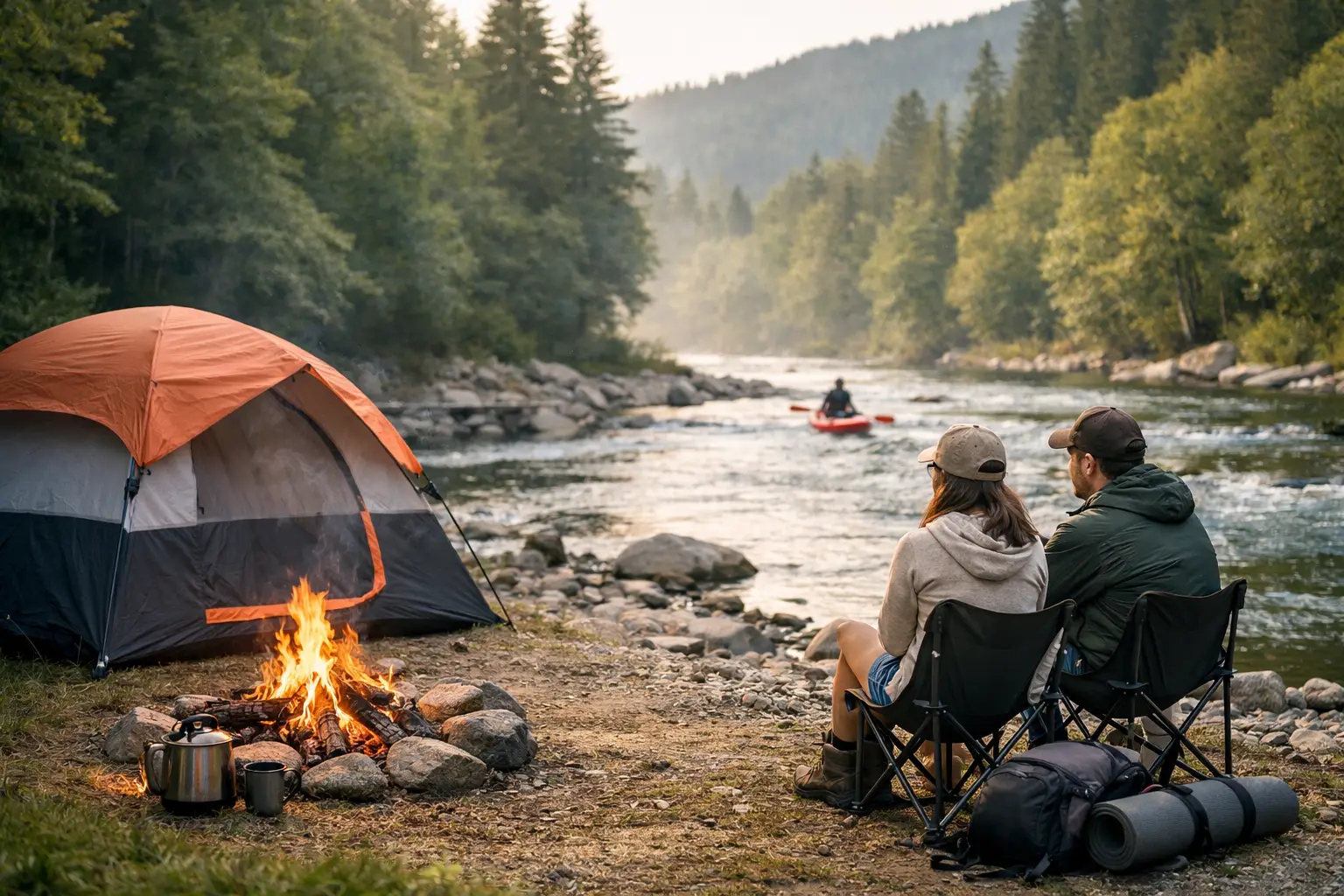
A lot of first-time campers picture riverside camping one of two ways – either a dreamy tent setup with coffee by the water, or a total mess involving mud, bugs, and a soggy sleeping bag. The truth sits right in the middle. Can beginners camp by the river? Yes, absolutely – if you choose the right kind of river access, the right campsite, and keep your first trip simple.
That matters even more for people planning a quick weekend near Chicago. If you want the outdoors without turning it into a survival contest, a beginner-friendly river campground can be one of the easiest ways to get started. You get the scenery, the sound of the water, and that away-from-it-all feeling, but without needing backcountry skills or a trunk full of specialty gear.
Can beginners camp by the river without experience?
Yes, but not every river campsite is beginner-friendly.
That is the part people skip. Camping by a fast-moving riverbank with steep access, unpredictable water levels, and no staff around is very different from camping near calm, managed water with clear site layouts and on-site support. For beginners, the best riverside camping is less about being wild and more about being comfortable.
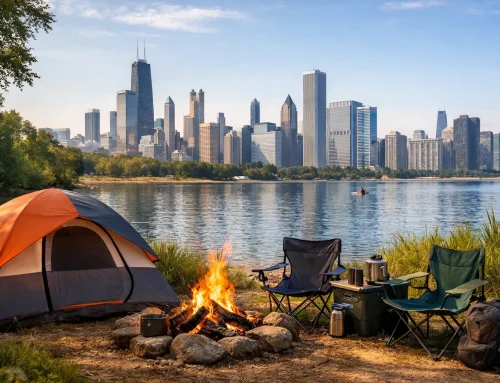
A good first trip usually means a developed campground, easy parking, nearby restrooms, and a predictable environment. If the water is calm and the campground is set up for casual campers, families, couples, and first-timers, the experience feels fun instead of stressful. That is why river camping near Starved Rock is such a strong option for new campers – you get real waterfront scenery without needing advanced outdoor skills.
What makes river camping beginner-friendly?
The biggest factor is water conditions. A calm, dam-controlled section of river is much more approachable than a place with current, sudden depth changes, or unstable banks. Beginners are usually not worried about the idea of sleeping outdoors. They are worried about all the little unknowns around it.
Can you set up close to your car? Will the ground be level? Is the site easy to find after dark? Are there clear rules about campfires, pets, quiet hours, and water access? Those details matter. When a campground is designed for regular people taking a weekend escape, not hardcore expedition campers, your odds of having a good first trip go way up.
The other big piece is structure. The best beginner campgrounds remove decision fatigue. Instead of figuring out every single detail from scratch, you book a site, arrive with your basics, and get clear guidance on how the property works. That simple setup is the difference between “we should do this again” and “never mind, hotels are fine.”
The easiest way to start: keep your setup simple
Most beginners do better with a short, comfortable first trip than an ambitious one. One night is enough. Two nights can be great if you like having a full day to relax, paddle, explore, and settle in.
Tent camping is often the easiest place to begin because it keeps costs low and the gear list short. If you want a little more comfort, pop-up camping gives you extra shelter and easier sleeping without feeling complicated. Tear drop camping is also a nice in-between option for people who want a compact setup that feels more protected than a tent.
There is no prize for roughing it on your first trip. The smartest beginner move is choosing the setup that helps you sleep well and stay dry. Good sleep covers a lot of rookie mistakes.
Can beginners camp by the river with kids or dogs?
Usually yes, and in many cases riverside camping is a great fit for both.
Families tend to do better at campgrounds with open space, simple routines, and easy activities. Water nearby gives kids something exciting to look at and talk about, even if the whole trip is not built around paddling. For parents, the goal is not to create a perfect wilderness experience. It is to create a manageable one.
The same goes for dogs. A dog-friendly campground can turn a weekend trip from a planning headache into an easy yes. But beginner campers should still think about the basics. Bring a leash, water bowl, waste bags, and a plan for nighttime sleeping arrangements. Some dogs love camping right away. Others spend the first few hours acting like every leaf is a personal emergency.
A little structure helps everyone relax.
How close to the water should you camp?
Closer is not always better.
The view is great, but beginners should avoid choosing a spot just because it is the nearest one to the waterline. A slightly higher, flatter, better-drained site is often the smarter choice. You still get the river atmosphere, but with less moisture, fewer bug issues, and less worry if the weather changes.
If the campground is professionally laid out, this decision gets easier because sites are placed with access and safety in mind. That is one reason organized Illinois River camping works so well for first-timers. You get the waterfront feel without guessing where it is actually smart to sleep.
What beginners really need to bring
This is where people tend to overpack. For a first riverside camping trip, you do not need to buy half an outdoor store.
You need a reliable shelter, bedding that matches the overnight temperature, weather-appropriate clothes, basic toiletries, simple food, drinking water, and a flashlight or headlamp. Add camp chairs if you want to be more comfortable, and bug spray if you do not want to spend sunset swatting the air.
If you are tent camping, make sure your tent has a rainfly and that you know how to set it up before you arrive. Not in theory. Actually practice it once. Setting up a tent for the first time at dusk while everyone else looks “helpful” is a classic way to test a relationship.
If you are staying in a pop-up or tear drop, the checklist gets easier, but the rule stays the same: bring less, but bring the right things.
Pairing camping with kayaking makes the trip easier
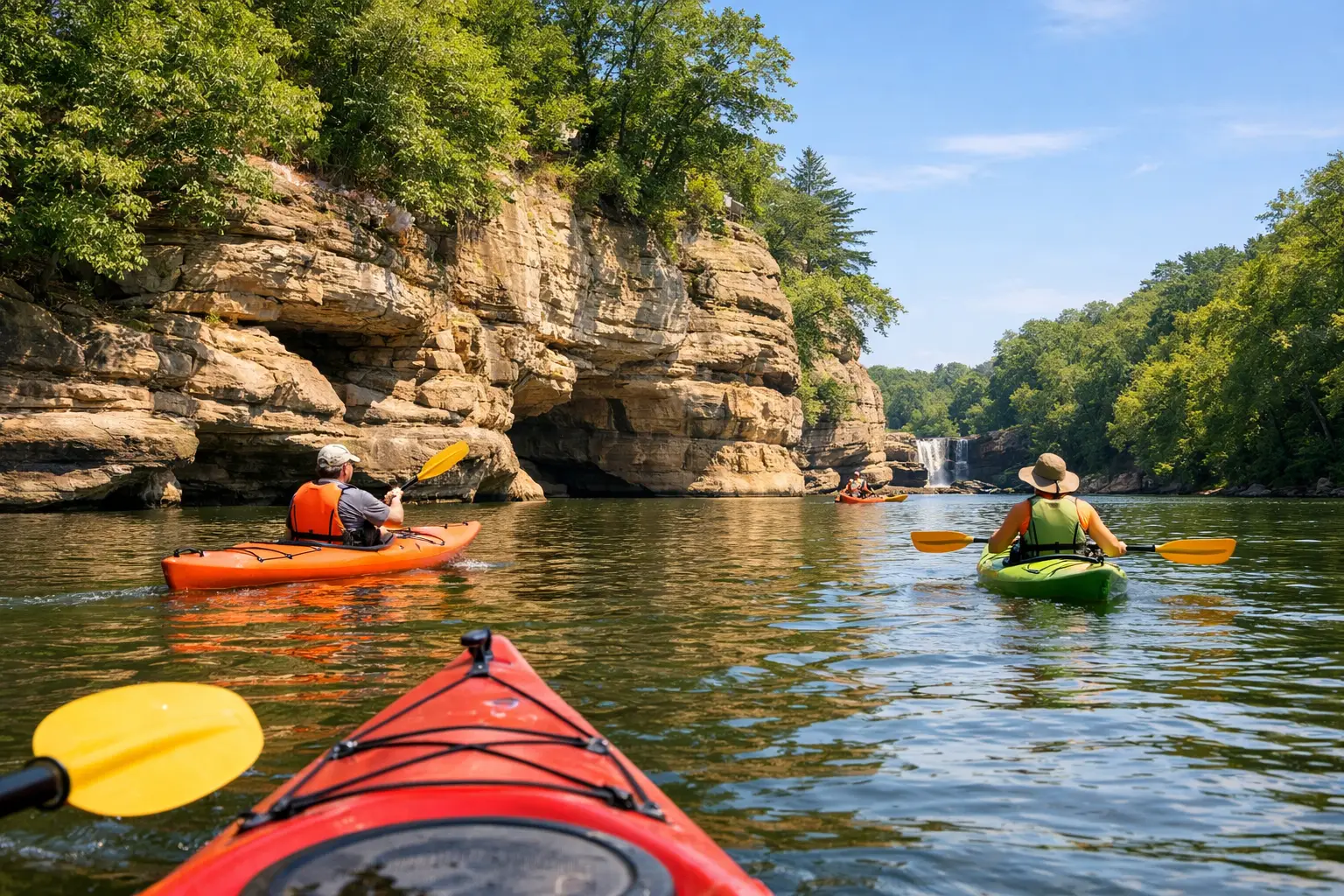
For a lot of first-timers, the best version of river camping includes something to do besides sit at camp and wonder if you packed enough snacks. That is where beginner-friendly kayaking can make the whole trip feel more complete.
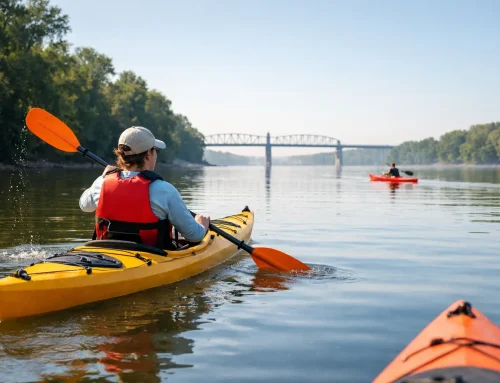
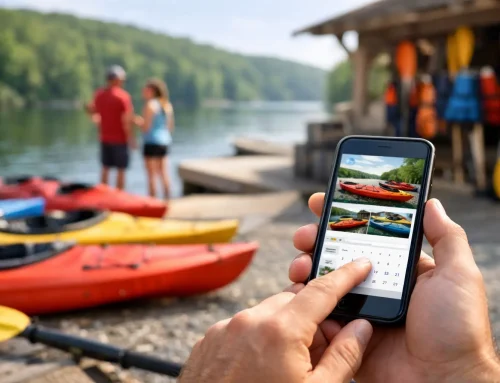
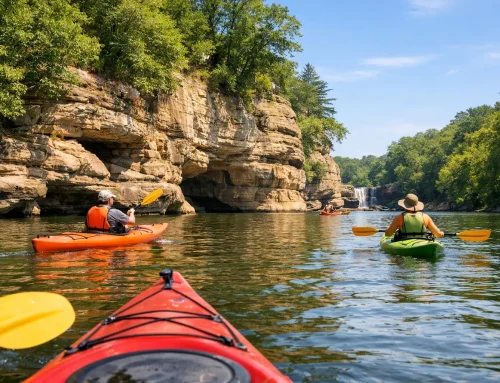
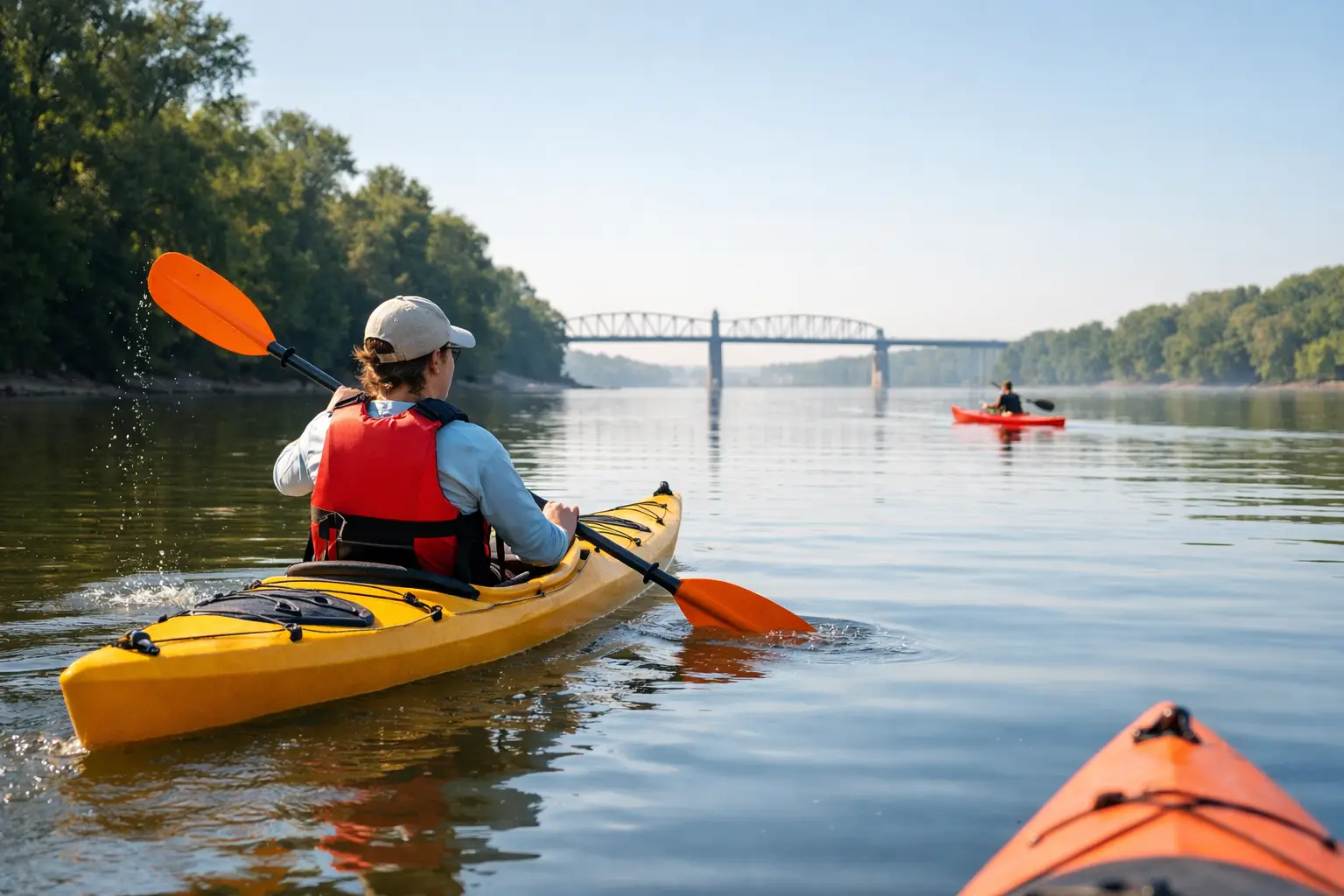
A calm, flatwater paddle gives you a built-in activity and a great way to experience the river without needing technical skills. It also makes the trip feel like a getaway, not just an overnight stay. If rentals, guidance, and safety instruction are handled on-site, it gets even easier.
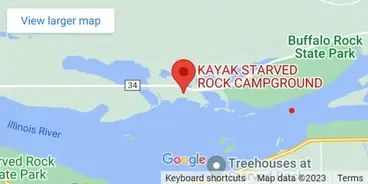
That combination is especially appealing for couples, friend groups, and families coming from the Chicago area. You can arrive, get oriented, spend time on the water in properly fitted life jackets or PFDs, and head back to camp without adding complicated logistics. Kayak Starved Rock Campground is a strong example of that kind of low-stress setup because it combines waterfront camping and beginner-friendly paddling in one place.
Safety matters, but it does not need to feel intimidating
Beginner campers sometimes hear “river” and assume the whole trip is risky. The real answer is more practical than dramatic.
Risk depends on conditions, supervision, and choices. Calm water is different from current. A managed campground is different from dispersed camping. A short paddle with instruction and required PFDs is different from winging it with borrowed gear and no plan.
For camping itself, the basics go a long way. Watch the weather before you arrive. Keep food stored properly. Use lights after dark. Do not let kids or pets roam freely near the water. If you are adding kayaking, wear your life jacket every time, even if the water looks easy. Especially then.
Good campgrounds make these expectations clear, which is exactly what beginners need. Clear rules are not there to kill the vibe. They are there so everyone can relax and actually enjoy the weekend.
Why river camping works so well for short getaways
One reason beginners love riverside camping is that it feels like more adventure than it actually requires. You get water views, morning mist, sunset reflections, and that satisfying campfire energy, but you can still keep the trip short and manageable.
That makes it ideal for people who do not want a four-hour drive or a complicated packing list. Camping near Starved Rock and the Illinois River gives you that out-of-town reset without asking for a huge time commitment. For a near-Chicago crowd, that convenience matters. If the trip is easy to reach, easy to book, and easy to understand, you are much more likely to actually go.
And that is really the answer. Yes, beginners can camp by the river. They just should not start with the hardest version of it. Choose calm water, a well-run campground, and a setup that feels comfortable enough to enjoy. Your first riverside trip does not need to be rugged to be memorable. Sometimes the best outdoor weekends are the ones that feel easy from the minute you arrive.