You packed the boat, loaded the paddles, found the snacks, convinced the dog to hop in the car, and made the drive for a river day. Then you get to the water and spot something new – a bring your own kayak launch fee. If you have not run into one before, it can feel like a surprise. In most cases, though, it is not a random add-on. It is the cost of using a managed launch site, access area, and the support that makes your day easier.
For a lot of paddlers, especially around busy destinations near Starved Rock and other popular Illinois river spots, that fee is less about “charging for water” and more about keeping access simple, safe, and organized. If you are planning a quick paddle near Chicago or building a full weekend around camping and kayaking, knowing what that fee means helps you avoid friction before you even unload the boat.
What a bring your own kayak launch fee usually covers
A bring your own kayak launch fee generally gives you legal, designated access to launch from private property or a managed waterfront. That sounds basic, but it matters. Not every shoreline is set up for easy entry, safe parking, or all-day use.
At a well-run launch site, you are usually paying for a few practical things at once. The biggest one is access itself – a place where carrying your boat from your vehicle to the water is actually allowed. You may also be paying for parking, maintained shoreline entry, staff oversight, restrooms, day-use access, and the overall upkeep that keeps the property clean and usable.
That is why the fee can make more sense than it first appears. A free launch may save money up front, but if it comes with sketchy parking, muddy banks, confusion about where to go, or a long carry through uneven ground, it is not always the bargain it looks like.
Why launch fees exist at kayak destinations
The short answer is maintenance. Waterfront access takes work, and busy paddling areas get used hard during the season.
Someone has to manage traffic flow, monitor where guests park, keep launch points from turning into slippery messes, handle trash, maintain paths, and make sure the property is operating safely. On beginner-friendly water, there is often even more emphasis on keeping things straightforward because the crowd includes families, first-timers, and casual paddlers who are not looking for a rugged backcountry experience.
There is also a capacity issue. Popular launch areas near major outdoor attractions can get crowded fast, especially on weekends. A launch fee helps operators control numbers and keep the experience from turning into chaos. That is good for guests bringing their own kayak and good for rental customers too.
In other words, the fee is often part of keeping the day fun instead of stressful. That is a pretty fair trade if your goal is less guessing and more paddling.
When a bring your own kayak launch fee is worth it
It depends on what kind of paddler you are and what kind of day you want.
If you are experienced, traveling light, and heading to a public launch with easy access and no amenities, you may not need a paid option. But that is not every outing. If you are bringing kids, juggling multiple boats, meeting friends, bringing a dog, or combining your paddle with camping, a managed launch starts looking a lot more attractive.
The fee is usually worth it when convenience is the point. A clean, beginner-friendly entry, reliable parking, and staff nearby can remove the little annoyances that eat up your day. That matters even more if you are planning a short escape from the Chicago area and do not want to spend half your morning figuring out where you are allowed to put in.
It can also be worth it if water conditions are more predictable at a managed location. Some destinations are better set up for casual paddlers because the environment is controlled, the route is clear, and the launch process is simple. For first-timers or rusty paddlers, that peace of mind goes a long way.
What to ask before you pay
Not every launch fee includes the same access, so a quick check ahead of time is smart. The key question is simple: what do you actually get?
Some sites charge one flat day-use fee per person. Others charge by boat, by vehicle, or by the launch. Some include parking and all-day access. Others have stricter time windows, last-launch cutoffs, or limited shoreline use outside the actual paddle.
It is also worth asking whether the launch area is beginner-friendly. That means more than calm water. You want to know if the entry is shallow, whether there is current, if there are clear routes, and whether staff are available to point you in the right direction. If you are bringing family members who are new to kayaking, those details matter more than saving a few dollars.
And yes, ask about life jackets. A good operation will be clear about PFD expectations because safety is not optional, especially at a place designed for easy fun on the water.
Launch fee vs. kayak rental: which makes more sense?
This is where the math gets personal.
If you already own a quality boat, have racks or a trailer, and paddle often, paying a bring your own kayak launch fee can be the cheaper route. You keep using your own gear, avoid rental pricing, and still get access to a managed waterfront.
But if you only paddle a few times a year, rentals can be easier. No loading. No unloading. No storing wet gear afterward. No wondering whether your straps are highway-safe. For plenty of casual paddlers, especially couples and families planning a one-day outing near Starved Rock, renting is less work and sometimes not much more expensive once you factor in transport, time, and convenience.
There is no universal winner here. If your own kayak gives you comfort and familiarity, bring it. If you want the lowest-friction path to the water, renting can be the better move.
How this fits into a bigger day outside
One of the best things about a launch site with day access is that it can turn a simple paddle into a full mini getaway. That is especially true in areas where kayaking, camping, and sightseeing are all close together.
A lot of people are not just looking for a workout. They want a memory. They want a low-drama outdoor day where the kids stay happy, the dog gets fresh air, and nobody ends up stressed before lunch. Paying for launch access can support that kind of day because it gives you a home base.
If you are pairing your paddle with waterfront camping, the value gets even clearer. Launching your own boat near your campsite is a lot easier than bouncing between multiple locations. For weekend travelers from Northern Illinois, that kind of setup can make the trip feel organized without feeling overly planned.
A few things paddlers forget
The launch fee is only one part of showing up prepared. Bring your paddle, PFD, water, dry clothes, and whatever permits or waivers the site requires. Double-check hours and last-launch times before you drive.
Also, be realistic about your group. A calm flatwater setting can be great for beginners, but younger kids, nervous adults, and dogs still do better when the day starts unhurried. Give yourself extra time to unload, get fitted properly, and settle in before launching.
If you are choosing a managed launch because you want an easy day, lean into that. Show up early, ask questions, and use the support that is there.
The real value of a good launch fee
A bring your own kayak launch fee is not just a line item on a receipt. At its best, it buys convenience, cleaner access, safer logistics, and a better shot at the kind of day you actually pictured when you loaded the car.
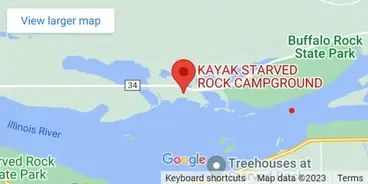
That is why paddlers keep choosing managed waterfront spots for day trips and camping weekends. You still get the freedom of using your own kayak, but without the headache of piecing together shoreline access on the fly. At places like Kayak Starved Rock Campground, that mix of easy water, simple logistics, and near-Chicago convenience is exactly the point.
If the goal is more time on the water and less time improvising in a parking lot, the fee can be money well spent.