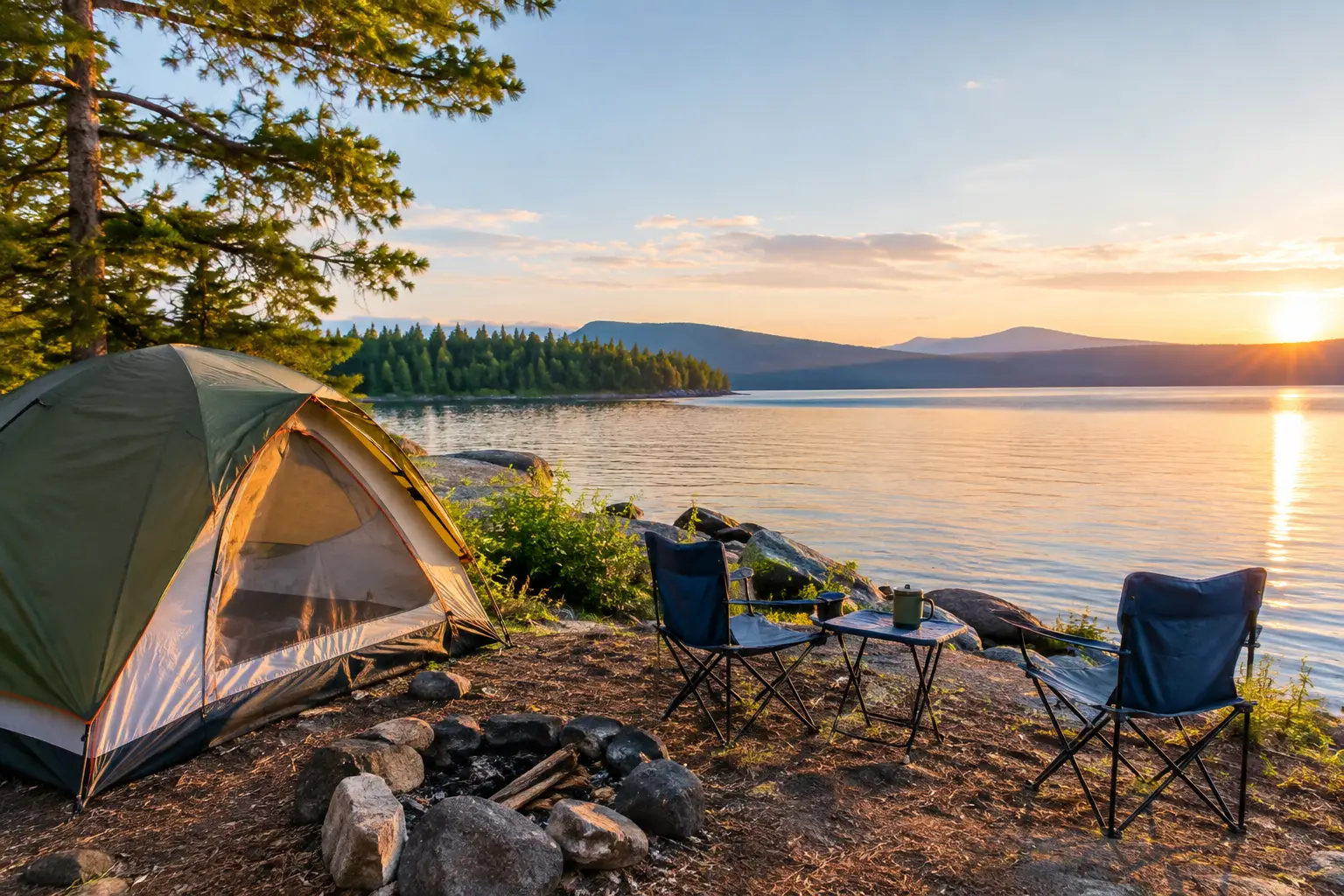
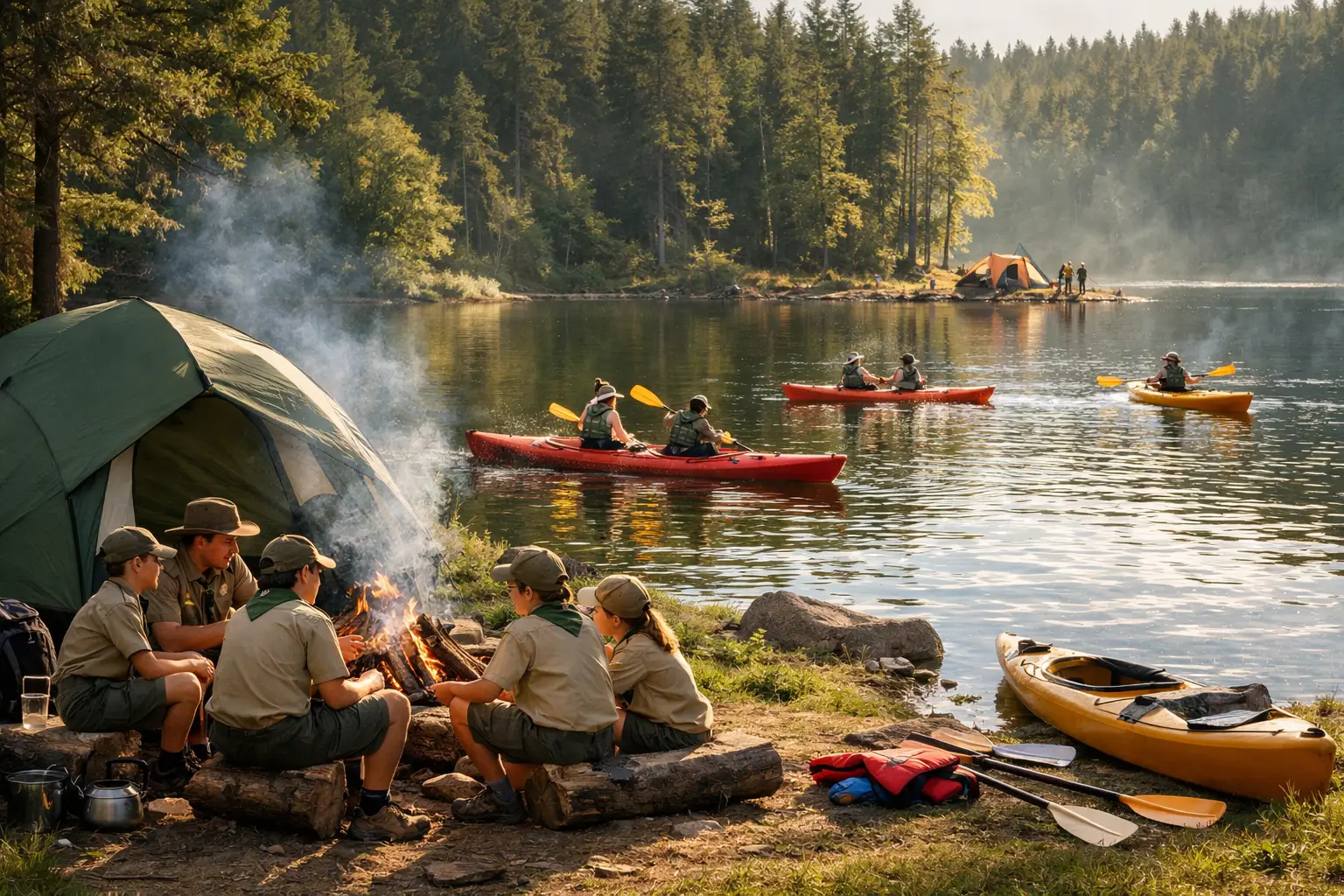
Friday night gets messy fast when 18 scouts, a trailer full of gear, and a last-minute weather check all hit at once. That is exactly why a solid scout troop camping with kayaking example plan matters. The goal is not to pack every minute. The goal is to give leaders a weekend that feels organized, safe, and still fun enough that the kids remember the paddle, the campfire, and the part where nobody had to guess what came next.
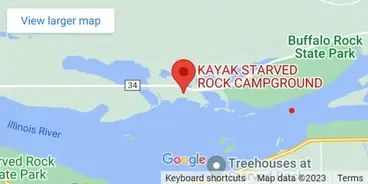
For most troops, kayaking works best when the water is beginner-friendly, the schedule is tight enough to prevent drift, and the campsite is close to launch access. That matters even more if your group includes first-time paddlers, younger scouts, or families joining for part of the trip. A flatwater setting near Starved Rock is ideal because it keeps the focus on skill-building, teamwork, and having a good time instead of battling current or dealing with a long shuttle.
Why this scout troop camping with kayaking example plan works
Scouting trips go better when the activity fits the group, not the other way around. Kayaking sounds adventurous, which scouts love, but it can still be approachable when the water is calm, the route is manageable, and everyone gets a clear safety talk before launch. That combination gives you a real outdoor challenge without turning the whole weekend into a logistics test.
This kind of plan also works well for troops coming from the Chicago area. You can leave after school or work on Friday, get set up before dark, and still have a full Saturday on the water. That short-drive factor is a bigger deal than people think. Less travel usually means better moods, fewer delays, and more energy left for the actual trip.
There is a trade-off, though. If your older scouts want a rugged backcountry feel, a waterfront campground with easy access can seem a little too comfortable. But for a mixed-age troop, or for a group trying kayaking as a main event, convenience is usually the smarter call. Easy launch access, restrooms nearby, and clear boundaries make supervision much simpler.
A practical weekend schedule for troops
A good scout troop camping with kayaking example plan should feel realistic, not ambitious on paper and chaotic in person. Here is a model weekend that leaders can adjust based on age, season, and troop size.
Friday evening arrival
Plan arrival for late afternoon or early evening. Give each patrol a simple setup job as soon as they unload. One patrol handles tents, another starts the cooking area, and another checks the shared gear. If your troop is using a mix of tent sites, pop-up campers, or teardrop camping setups, assign those in advance so families and leaders are not reshuffling in the parking area.
Dinner should be simple on night one. This is not the meal to prove your camp-chef skills. Foil packet dinners, pre-made pasta salad with grilled protein, or tacos with prepped toppings all work. After dinner, hold a short leader and scout briefing. Go over quiet hours, buddy assignments, bathroom location, lights-out expectations, and the next day’s kayak schedule.
Keep Friday’s campfire short. Scouts will want to stay up. Leaders will regret letting them.
Saturday morning setup and paddle block
Start with breakfast that is filling but not heavy. Oatmeal, fruit, eggs, and bagels are a lot better before paddling than a greasy breakfast that leaves everyone sluggish. After cleanup, gather the troop for the kayaking safety meeting.
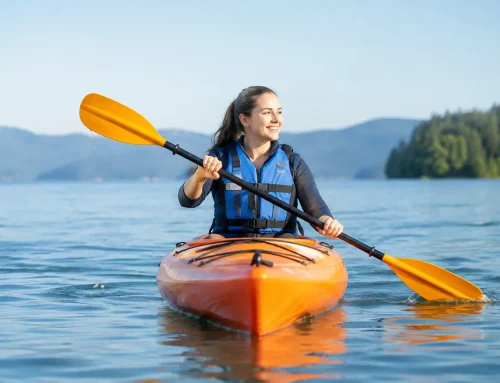
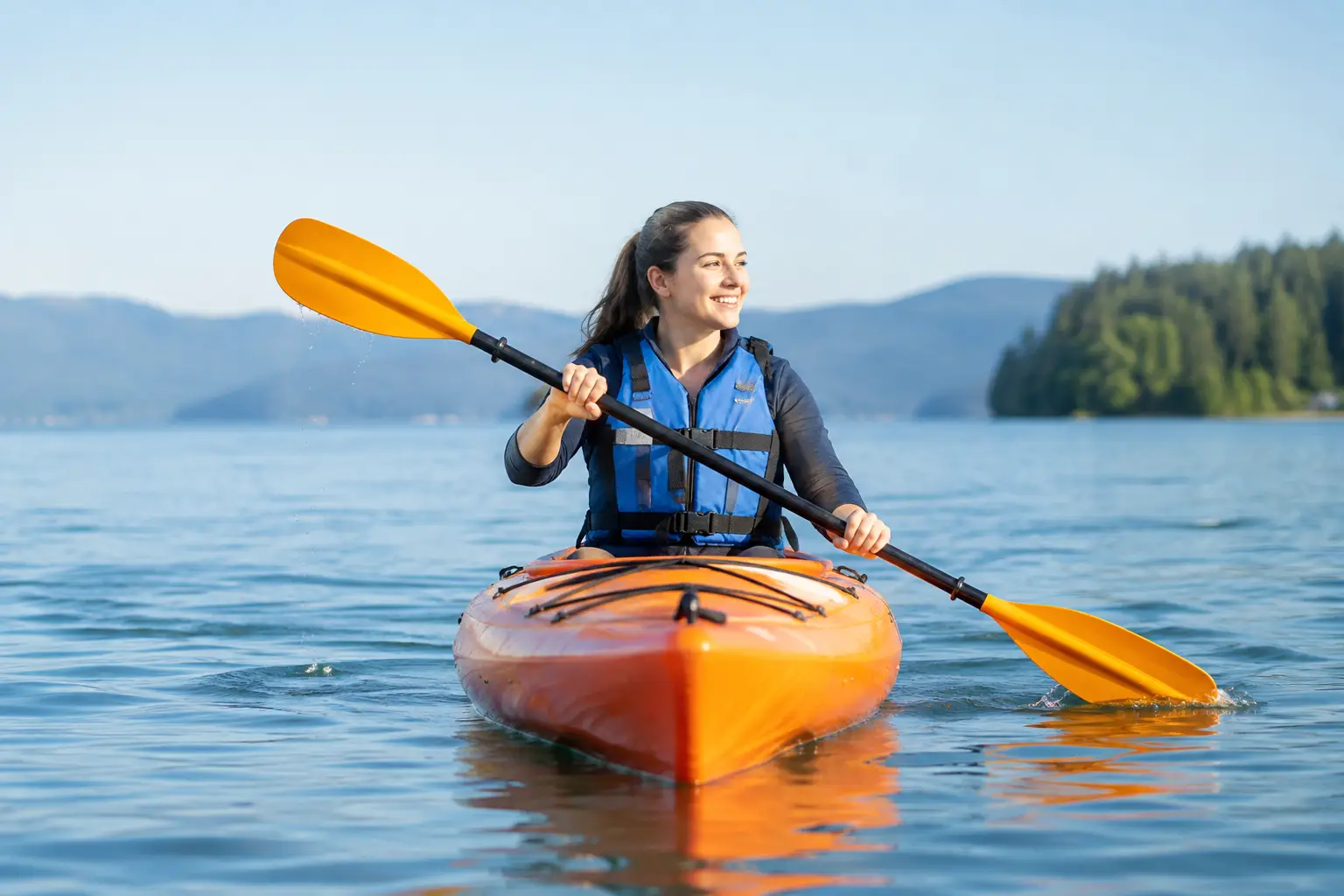
This is where structure really counts. Every participant should wear a PFD anytime they are on the water, no exceptions. Review paddle basics, entering and exiting the kayak, spacing between boats, what to do if someone gets stuck or nervous, and how the group will respond if weather changes. Scouts usually do well when instructions are direct and hands-on. A five-minute demo at shore is worth more than a 20-minute talk.
If your troop includes total beginners, pair newer paddlers in tandems or place them near the front with experienced adult supervision close by. Some groups benefit from a guided paddle because it removes guesswork and gives scouts instant coaching. Others may be fine with a self-contained rental setup if the route is short and leaders are experienced around water. It depends on your adult roster and your troop’s comfort level.
A late-morning launch is usually the sweet spot. It gives everyone time to wake up and keeps you off the water before the day gets too hot. For many troops, a 1.5 to 2.5 hour paddle is enough. Longer is not always better. The younger the scouts, the more likely attention and form start to fade after the first stretch.
Saturday afternoon at camp
After kayaking, leave space in the schedule. That pause is part of the trip. Scouts can change clothes, hydrate, eat lunch, and rest. A sandwich buffet or wrap station keeps this easy and fast.
The afternoon is a good time for advancement-friendly activities, campsite skills, or low-key fun. Depending on your troop, that might mean knot relays, map practice, Leave No Trace review, or a simple nature scavenger hunt. If families are attending, this is also a great window for free time by the campsite so younger kids and adults can relax without feeling overscheduled.
Dinner can be more of an event. Patrol cooking works well here because there is enough time and daylight. Dutch oven meals, grilled burgers, or camp chili all fit the mood. Just be honest about your troop’s real cooking pace. Meals always take longer than the optimistic estimate.
Saturday evening program
This is your best campfire window. Run skits, songs, scout reflections, or a short recognition moment for first-time paddlers who got out on the water and tried something new. Those little wins matter. For many scouts, especially beginners, kayaking is a confidence-builder as much as a recreation activity.
If dogs are part of any family campsites, set clear expectations early about leashes, quiet hours, and keeping pets away from food prep areas. Dog-friendly camping is great when everyone knows the rules.
Sunday wrap-up
Sunday should feel lighter. Breakfast, cleanup, a short walk or waterfront hangout, then break camp before everyone hits the tired-and-cranky wall. If your group wants one more activity, make it optional and short. The trip should end on a high note, not with leaders forcing one extra hour of programming because it looked good on the calendar.
Gear and planning details that save the weekend
Most troop problems are not dramatic. They are the little misses that stack up. No dry clothes after paddling. Not enough water jugs. A meal that needs more prep space than the site has. That is why the best plan keeps the moving parts under control.
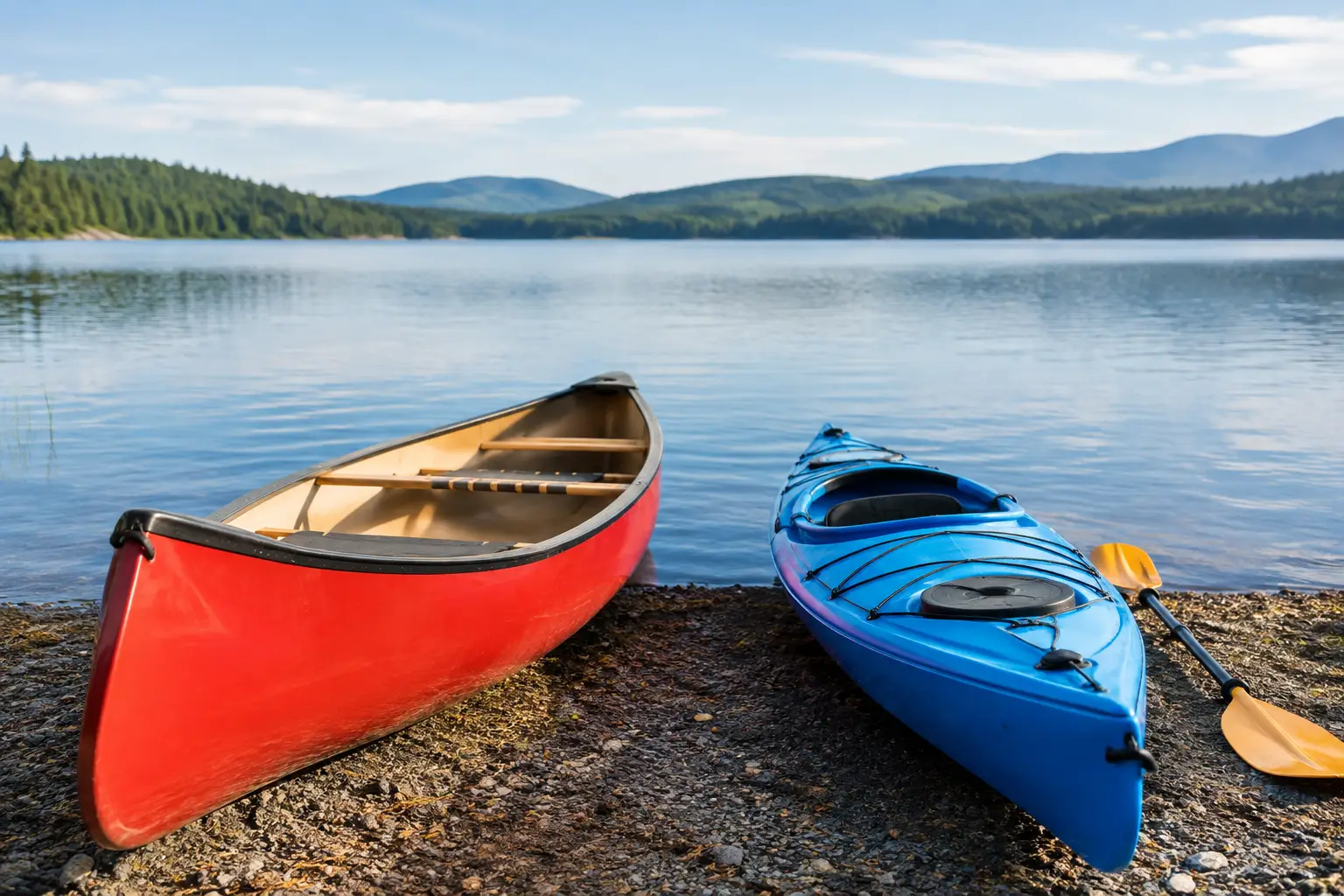
For kayaking, confirm group size, age range, boat assignments, and launch timing well before the trip. If the location offers premium beginner-friendly rentals, on-site support, and no shuttle headache, that removes a lot of friction for scout leaders. One waterfront basecamp is much easier than trying to coordinate a drop-off point, a pickup point, and multiple vehicles.
For camping, think in layers. Troops often assume every family wants the same setup, but that is rarely true. Some want traditional tent camping. Others appreciate pop-up or teardrop options, especially if younger siblings or less outdoorsy adults are coming along. A flexible campground setup helps your group say yes to more families without lowering the outdoor feel of the weekend.
Weather is the other big variable. If rain is possible, protect the boring stuff first – meal supplies, sleeping gear, extra clothes, and the troop first-aid station. Scouts can handle getting a little wet on purpose. They handle soaked sleeping bags a lot worse.
Safety rules that should stay simple
The safest trips usually have the clearest rules. Wear the PFD. Stay with the group. Follow the launch window. Hydrate before you feel thirsty. Ask for help early, not late. Those rules are easy to remember and easy to enforce.
On calm, shallow, beginner-friendly water, scouts can build real confidence fast. But leaders still need to match the paddle plan to the group in front of them. A troop full of older, athletic scouts might be ready for a longer route. A younger troop or mixed family outing may do better with a shorter guided paddle and more campsite time. There is no prize for choosing the harder version.
One more thing – assign adults by role, not just by attendance. One adult should oversee waterfront check-in, one should float as problem-solver back at camp, and one should track timing and head counts. When everybody is generally in charge, nobody really is.
Making the trip fun enough to repeat
The best scout weekends are the ones that feel easy to say yes to next year. That usually means less driving, less confusion, and one standout activity everyone talks about on the way home. Kayaking near Starved Rock has that effect because it feels like a real escape without demanding expert skills or a complicated expedition plan.
If you are building a troop trip for beginners, aim for the version that leaves room to laugh, paddle, eat well, and sleep by the water. That is not taking the easy way out. That is good leadership, and it is usually what gets scouts excited to come back.