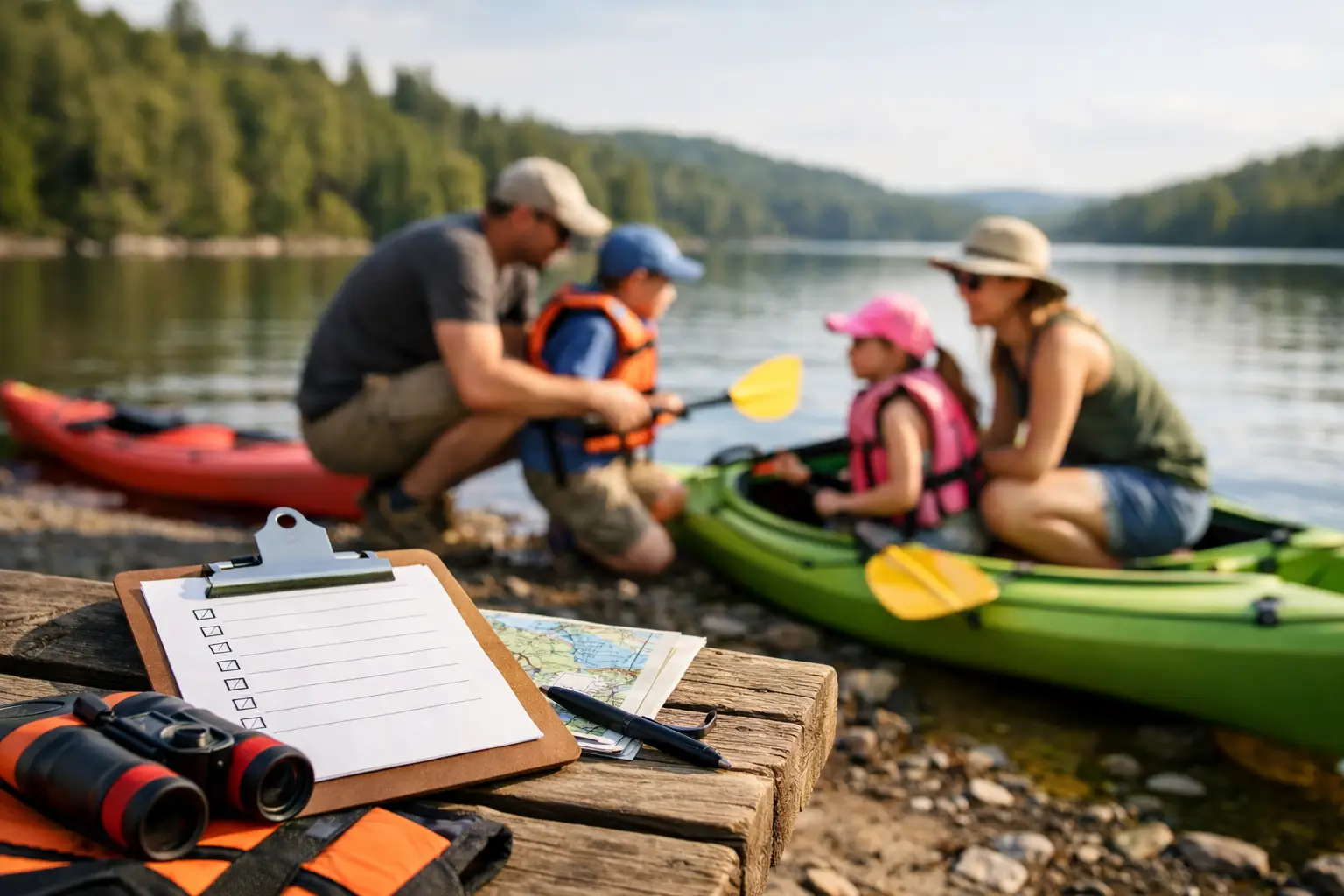
That moment when everyone is in the car, snacks are packed, and then somebody asks, “Wait – did we bring dry clothes for the kids?” That is exactly why a solid family kayak trip planning checklist matters. A little prep turns the day from frantic to fun, especially when you are paddling with first-timers, younger kids, or a dog who thinks every outing is about them.
The good news is that a family paddle does not need expedition-level planning. For most Chicago-area families heading out for a day trip or easy weekend getaway, the goal is simple – keep it safe, keep it comfortable, and keep it light enough that nobody is over it before the kayaks hit the water. If you are planning around flatwater conditions and beginner-friendly routes, the checklist gets a whole lot easier.
What to decide before you pack
The smartest family kayak trip planning checklist starts before you touch the gear pile in the garage. First, get realistic about your group. A family with a confident 12-year-old and a patient dog can plan differently than a family bringing a kindergartener who still needs frequent snack breaks.
Think through three things first: trip length, boat setup, and energy level. A shorter paddle is often the better call for families, even if everybody is excited at the start. Kids usually remember whether they were cold, hungry, or bored more than they remember how far they paddled.
Boat choice matters too. Tandem kayaks can be great for younger kids or anyone who wants a more relaxed ride. Single kayaks can work better for older kids and adults who want a little independence. There is no gold star for making the setup harder than it needs to be.
Then check the day itself. Look at the forecast, the launch timing, and how much transition time your family needs. With kids, getting life jackets on, using the restroom, applying sunscreen, and redistributing snacks can take longer than you think. Build that into the plan so the start feels easy instead of rushed.
Your family kayak trip planning checklist for essentials
Some packing lists get silly fast. You do not need to bring your entire house to the river. You do need the basics that make the day safer and way more comfortable.
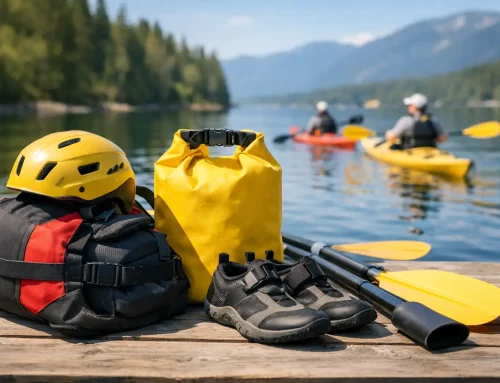
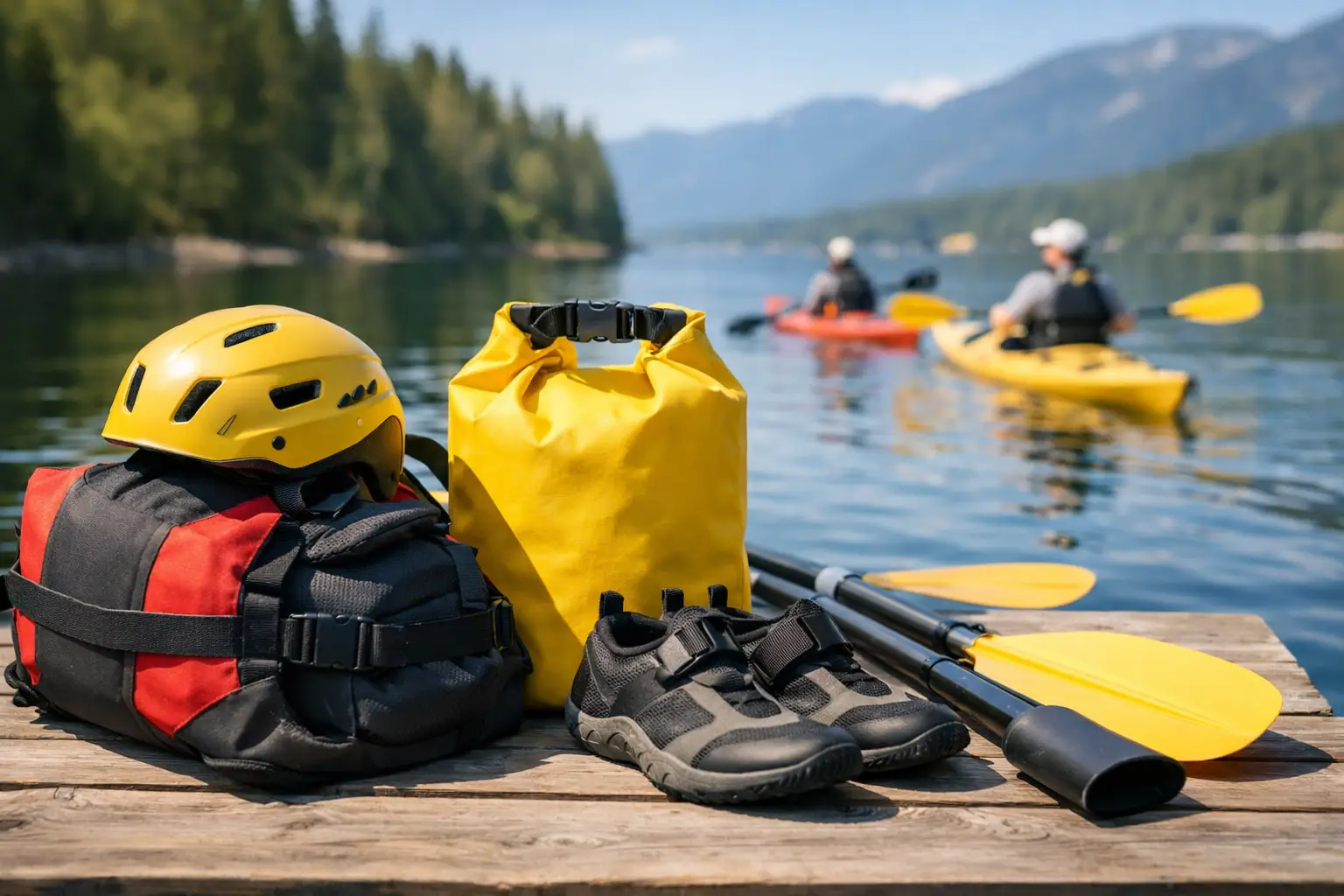
Every person needs a properly fitting life jacket or PFD. This is non-negotiable, and for kids it is worth double-checking fit before launch rather than assuming last year’s still works. Clothes should be quick-drying and comfortable. Cotton can feel fine in the parking lot and miserable once wet, so lighter athletic layers are usually the better bet.
Bring water for everybody and more snacks than feels reasonable. Families rarely regret overpacking snacks. Easy options like granola bars, fruit pouches, crackers, and trail mix work well because they are fast, familiar, and easy to hand out during a break.
A dry bag or waterproof container is worth it for phones, keys, medications, and an extra set of clothes for kids. If your child is the type to sit in a puddle five minutes after launching, you will be glad you packed backup layers. Towels, sunscreen, hats, and sunglasses with retainers also belong in the core pile.
If you are bringing a dog, the same logic applies. Pack water, a bowl, leash, waste bags, and a dog life jacket if needed. Some dogs are natural boaters. Some are comedians. Plan for either.
Dress for comfort, not for the photo
Families often overthink gear and underthink comfort. You do not need matching outdoor outfits. You need clothes that let everyone move, stay cool, and dry off without drama.
For warm-weather paddles, lightweight shirts, shorts or athletic pants, and water-friendly footwear usually make the most sense. Closed-toe water shoes are often more practical than flip-flops, especially for kids hopping in and out around launch areas. On cooler mornings, add a light layer that can come off easily.
Bring a full change of clothes for children, and if you have room, for adults too. Even in calm conditions, splashing happens. So does snack-related chaos. A dry ride home feels a lot better than a soggy one.
Safety planning that actually helps
The best safety plan is the one your family will actually follow. That usually means simple rules, repeated clearly, before anyone gets excited about the water.
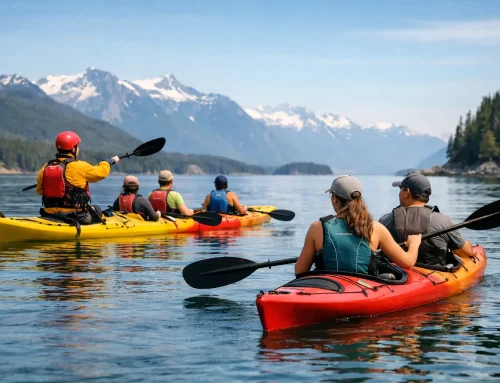
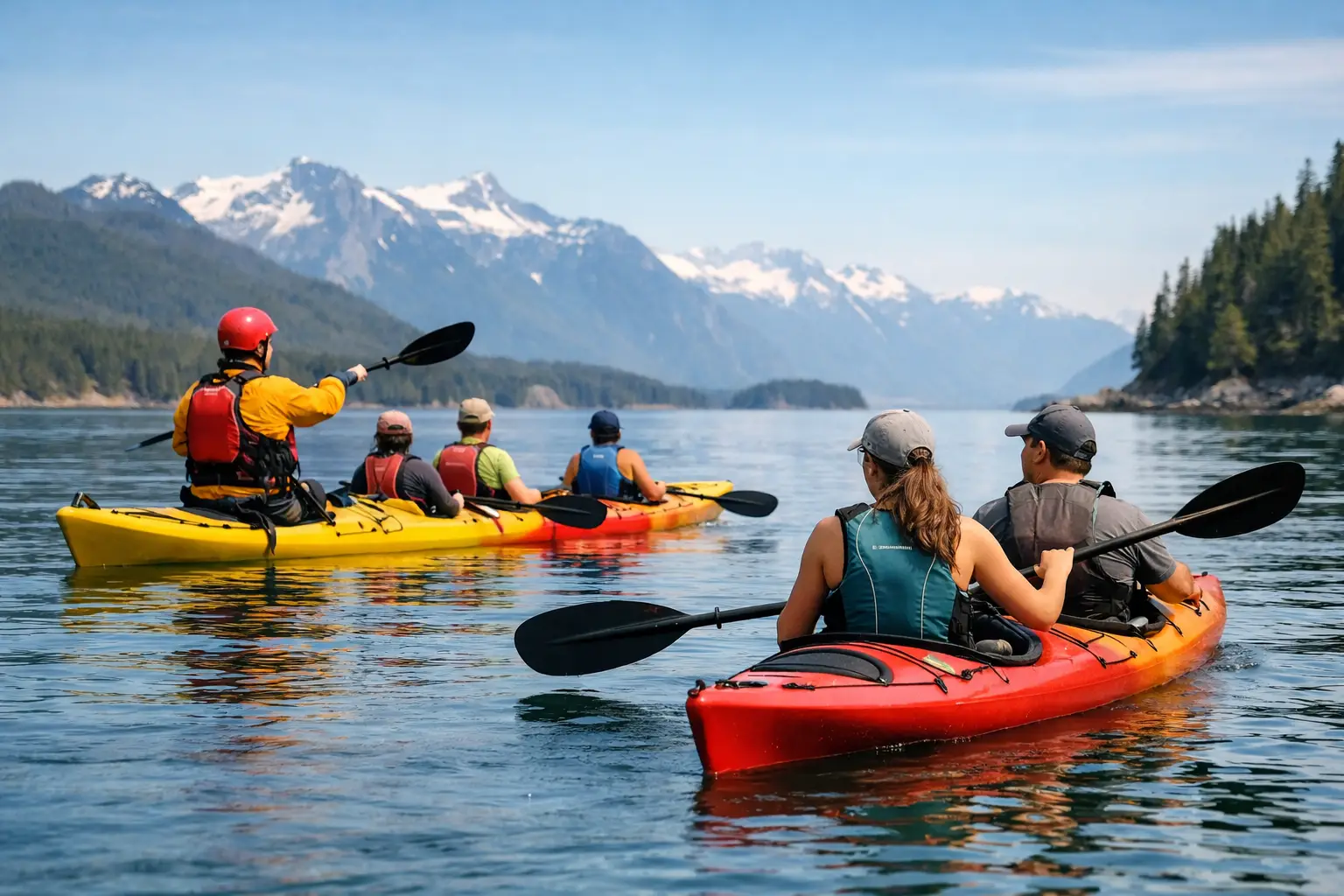
Start with the basics: life jackets stay on, everyone listens at launch, and kids need to know when to keep hands inside the boat and when to sit still. If you have first-time paddlers, explain that kayaks can feel a little wiggly at first, which is normal. A quick heads-up lowers the chance of panic.
It also helps to name a family leader for the day. One adult should keep track of the essentials like phones, medications, and timing. Another can focus on kid support, sunscreen, and snack distribution. If one person is trying to manage everything, things get chaotic fast.
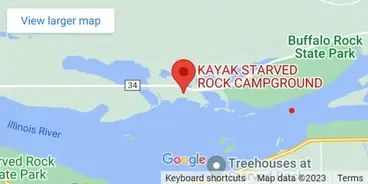
For beginners, guided outings can remove a lot of guesswork. That is especially true if your family wants the fun part without having to decode maps, launch procedures, or who sits where. At Kayak Starved Rock Campground, that beginner-friendly structure is a big part of the appeal – especially for families coming from near Chicago who want an easy, confidence-building first trip.
Timing can make or break the day
A smooth family paddle is often more about timing than skill. Kids do better when the trip works with their normal rhythm, not against it. If nap schedules still matter, plan around them. If your crew gets cranky when lunch is late, launch earlier or keep the route short.
Morning trips usually come with cooler temperatures and better attitudes. Afternoon paddles can still be great, but heat, fatigue, and overstimulation can show up faster. It depends on your kids, the weather, and whether this is a quick day trip or part of a camping weekend.
Give yourself more margin than you think you need. Arriving early makes restroom breaks, gear fitting, and safety talks much less stressful. Nobody wants the family memory to be Dad speed-walking to the launch while carrying three water bottles and one rogue sandal.
If you are adding camping, keep it simple
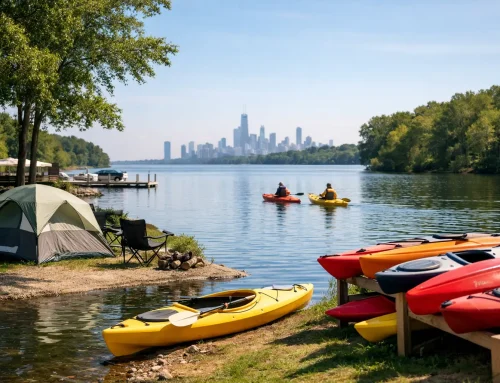
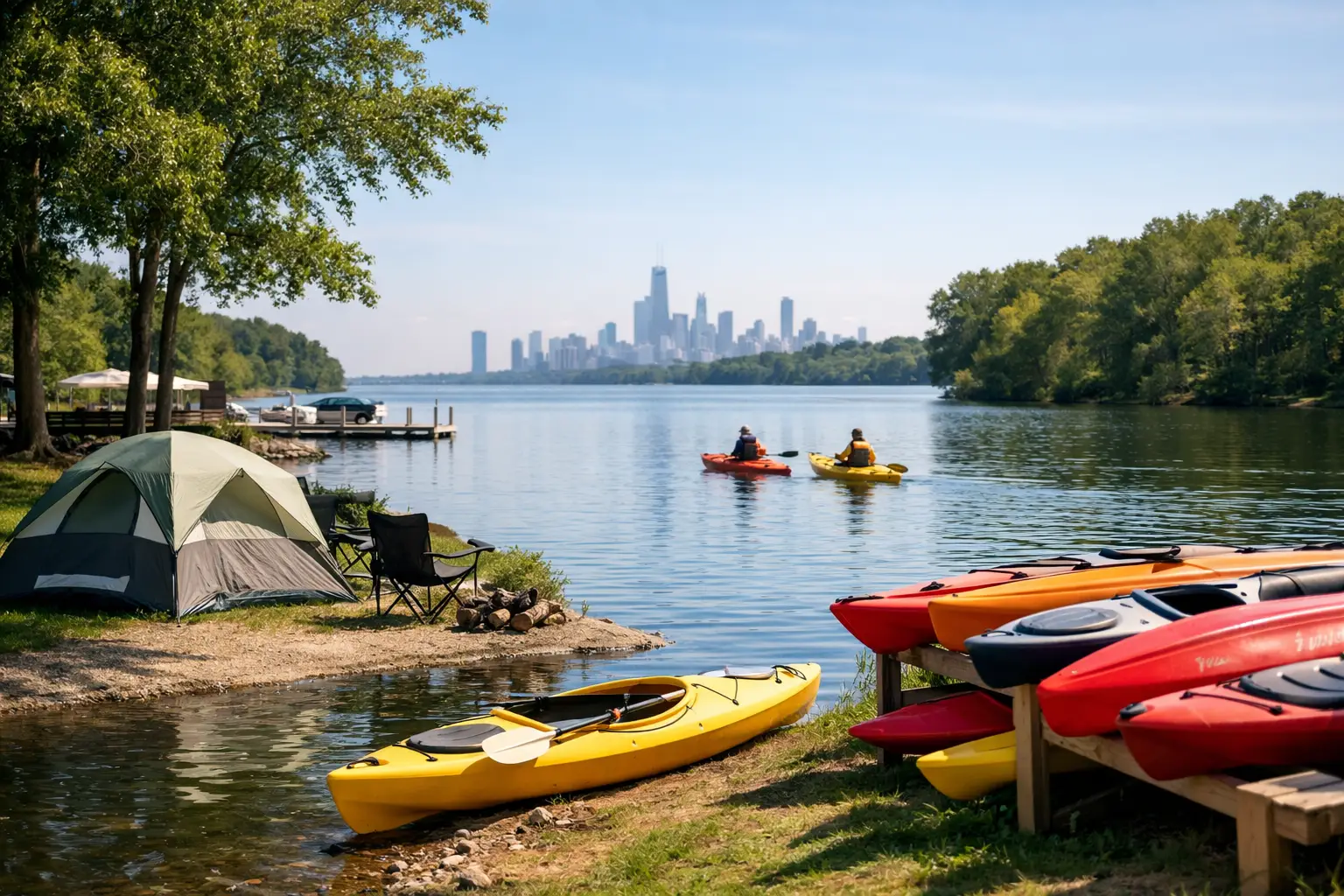
For families turning the paddle into an overnight, simplicity matters even more. The best camping add-on is the one that does not create a whole second job for the adults. Waterfront camping can be a great fit because it turns the outing into a mini escape without adding hours of driving or complicated logistics.
This is where tent rentals, pop-up camping, or teardrop camping can make a lot of sense. If your goal is a near-Chicago weekend that feels outdoorsy without requiring a garage full of equipment, a more turnkey setup is often the right move. You still get the campfire, the fresh air, and the fun of sleeping near the water, but with less setup stress.
Pack bedtime layers, toiletries, medications, and one comfort item for each child. Do not overpack entertainment. Nature does a lot of the work if kids are not being rushed from one thing to the next.
What families forget most often
The forgotten stuff is usually not dramatic. It is the small things that quietly make the day harder. Think sunscreen reapplied too late, no dry shirt for the ride home, or not enough water once the weather warms up.
Parents also forget to prep the kids mentally. A two-minute conversation before launch helps a lot. Tell them what the boat will feel like, when snack breaks happen, and what the rules are. Kids tend to do better when they know the shape of the day.
Another common miss is overestimating endurance. Families often picture a long, peaceful paddle and then realize halfway through that one child is done, one adult is hot, and the dog has become wildly interested in every splash. Shorter and happier beats longer and miserable every time.
A checklist should lower stress, not add it
The point of a family kayak trip planning checklist is not to turn a fun outing into a military operation. It is to clear out the predictable problems before they show up. Once the basics are handled – life jackets, weather, water, clothes, timing, and a realistic route – the rest gets easier.
That is especially true when you choose beginner-friendly water and a setup built for regular people, not hardcore paddlers. Families want the good stuff: a little adventure, a lot of fresh air, and the kind of day kids talk about on the ride home because they actually had fun.
If your plan feels simple enough that everyone can enjoy it, you are probably doing it right. Pack the extra snacks, leave room for a slower pace, and let the trip be easy on purpose.