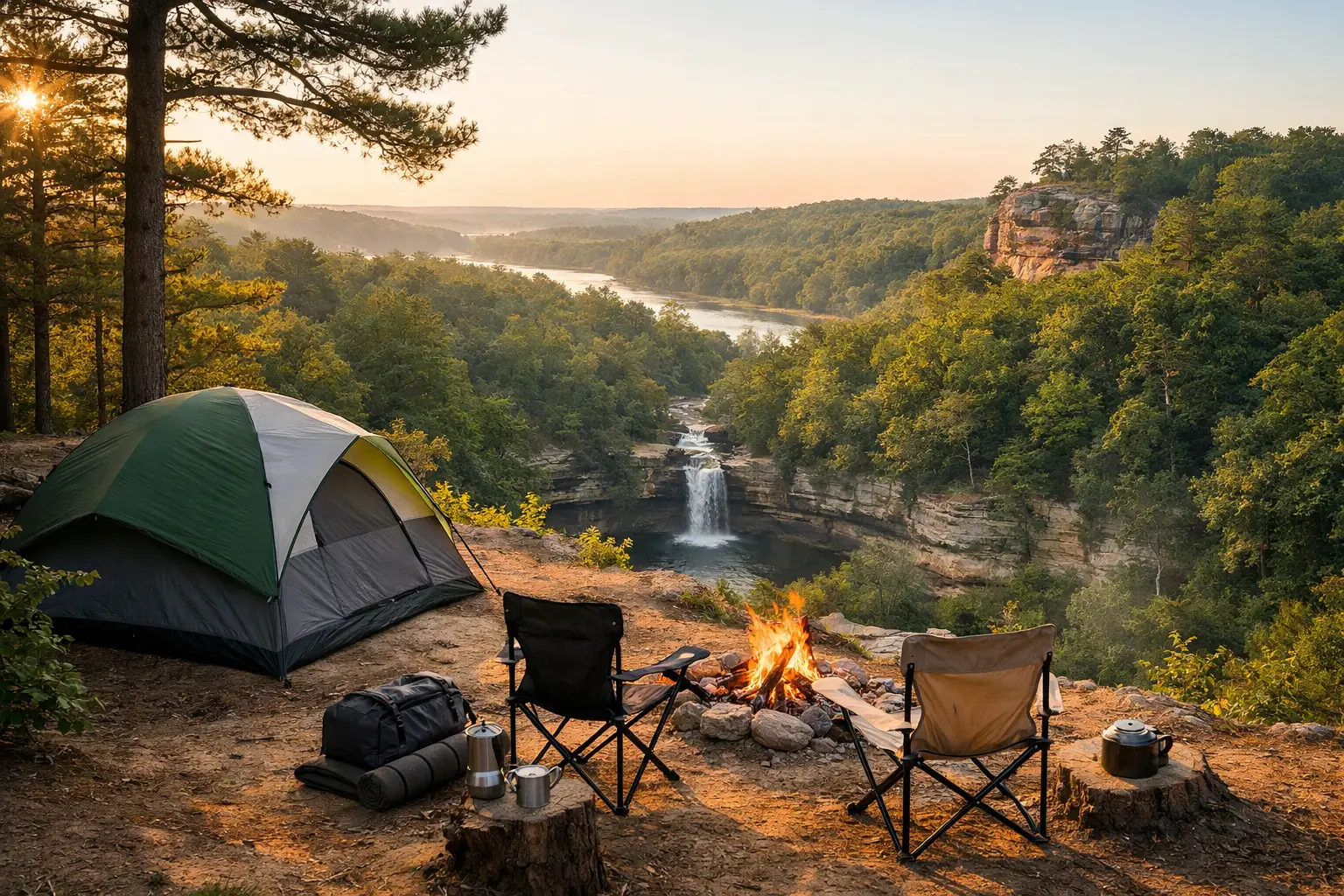
Explore Starved Rock State Park: Hiking, Waterfalls, Camping, and Visitor Guide
Starved Rock State Park, located in Illinois, is a stunning natural destination known for its breathtaking landscapes, diverse wildlife, and rich history. This comprehensive guide will explore the park’s best hiking trails, picturesque waterfalls, and camping options, providing visitors with essential information to enhance their experience. Whether you’re an avid hiker, a nature enthusiast, or simply looking for a peaceful getaway, Starved Rock offers something for everyone. In this article, we will delve into the best hiking trails, the number and locations of waterfalls, camping and lodging options, navigation tips, the best times to visit, and the park’s historical significance.
What Are the Best Hiking Trails at Starved Rock State Park?
Starved Rock State Park features a variety of hiking trails that cater to different skill levels and preferences. The park’s trails wind through scenic landscapes, offering stunning views of sandstone canyons, forests, and the Illinois River. Each trail provides a unique experience, showcasing the park’s natural beauty and geological features.
The park’s distinctive canyons, carved deep into the St. Peter Sandstone, are a testament to significant geological processes over millennia.
Starved Rock Canyons: Geology, Visitation & Human Impact
Modern bedrock streams and rivers emerged in the Midwestern United States in response to glacial outwash floods 19,000 years ago and continued to adjust to new drainage patterns over the landscape formed by Wisconsin glaciation events. The Illinois River and corresponding tributaries form a fascinating landscape with canyons carved 50-200 m deep into the St. Peter Sandstone. These geomorphic features are preserved and open to visitors as Starved Rock State Park in Central Illinois. Free access to the state parks and close proximity to the large Chicago metropolitan area result in frequent visitation to this natural attraction. Recently, the rates of natural stream incision appear to be overprinted by direct human influences on the landscape. The St.
Analysis of anthropogenic and runoff erosion into sandstone canyon walls using repeat structure-from-motion, LM Tranel, 2018
Which Trails Offer Scenic Views and Waterfall Access?
Several trails in Starved Rock State Park are particularly renowned for their scenic views and access to waterfalls. Notable trails include:
St. Louis Canyon Trail: This trail leads to one of the park’s most impressive waterfalls, offering a breathtaking view of the cascading water surrounded by towering cliffs.
Kaskaskia Canyon Trail: A moderate hike that rewards visitors with stunning views of the canyon and its unique rock formations.
French Canyon Trail: This trail provides access to a picturesque waterfall and is known for its beautiful rock formations and lush vegetation.
These trails not only offer scenic beauty but also provide opportunities for photography and wildlife observation.
How Many Waterfalls Are in Starved Rock State Park and Where Are They Located?
Starved Rock State Park is home to a total of 14 waterfalls, each with its unique charm and location. The waterfalls are most impressive during the spring melt and after heavy rainfall, making them a popular attraction for visitors.
What Are the Heights and Unique Features of Starved Rock Waterfalls?
St. Louis Falls: Approximately 30 feet high, this waterfall is known for its dramatic drop and scenic surroundings.
Kaskaskia Falls: A smaller waterfall, about 10 feet high, that offers a tranquil setting for visitors.
French Falls: This waterfall features a unique rock formation that creates a beautiful cascade, especially during peak flow.
These waterfalls not only enhance the park’s natural beauty but also provide a serene atmosphere for visitors to enjoy.
What Camping and Lodging Options Are Available at Starved Rock State Park?
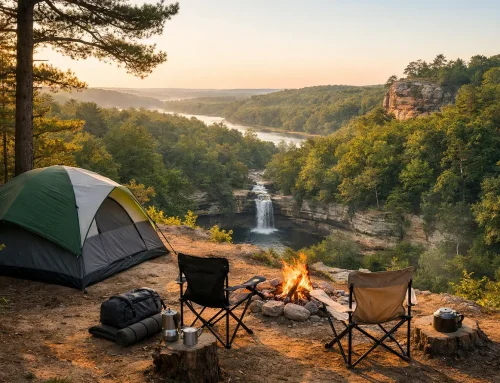
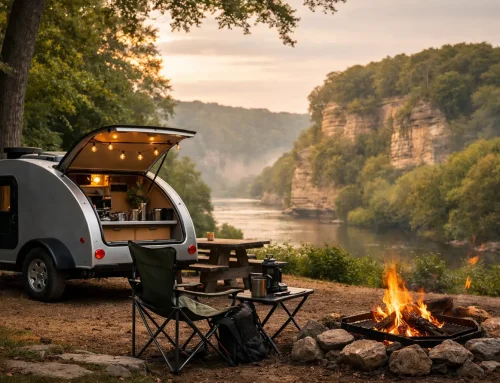
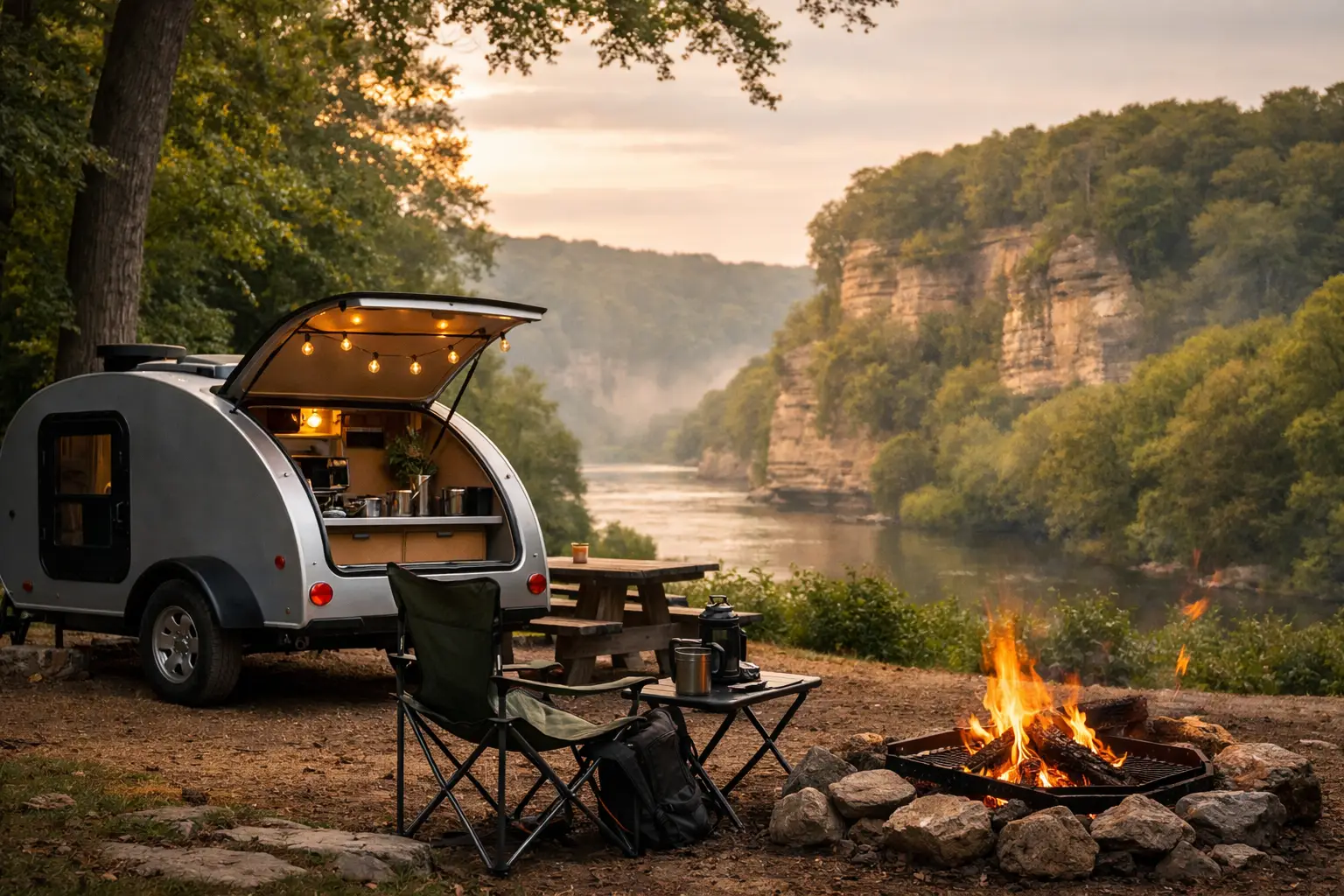
Starved Rock State Park offers a range of camping and lodging options for visitors looking to immerse themselves in nature. From campgrounds to lodges, there are accommodations to suit various preferences and budgets.
What Amenities Does Starved Rock Lodge Provide for Visitors?
Starved Rock Lodge is a popular choice for those seeking comfort and convenience. The lodge offers several amenities, including:
Dining Options: A restaurant serving a variety of meals, including local specialties.
Event Spaces: Facilities for weddings, conferences, and other gatherings.
Guided Tours: Opportunities for guided hikes and educational programs about the park’s history and ecology.
These amenities make the lodge an excellent base for exploring the park.
Where Are the Campgrounds and What Facilities Do They Offer?
The park features several campgrounds, each equipped with essential facilities. Notable campgrounds include:
Main Campground: Offers tent and RV sites with access to restrooms and showers.
Group Campground: Designed for larger groups, providing a communal area and picnic facilities.
Backcountry Sites: For those seeking a more rustic experience, backcountry camping is available with limited amenities.
These campgrounds provide a great way to experience the natural beauty of Starved Rock while enjoying the outdoors.
How Can Visitors Navigate Starved Rock State Park Using Maps and Guides?
Navigating Starved Rock State Park can be made easier with the right maps and guides. The park offers various resources to help visitors explore its many trails and attractions.
Where Can You Find Interactive and Printable Starved Rock Park Maps?
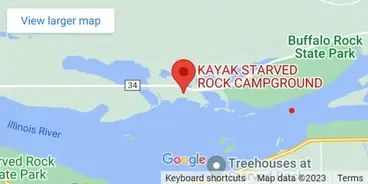
Visitors can access interactive and printable maps through the park’s visitor center or official website. These maps highlight key trails, waterfalls, and points of interest, making it easier to plan your visit. Additionally, mobile apps may provide real-time navigation and trail information.
What Are the Recommended Routes and Safety Tips for Park Visitors?
When exploring Starved Rock, it’s essential to follow recommended routes and safety tips:
Stay on Marked Trails: To protect the park’s natural environment and ensure your safety.
Check Weather Conditions: Be aware of changing weather, especially during winter months when trails may be icy.
Carry Water and Snacks: Stay hydrated and energized during your hikes.
Following these tips will enhance your experience and ensure a safe visit to the park.
When Is the Best Time to Visit Starved Rock State Park?
The best time to visit Starved Rock State Park largely depends on the activities you wish to enjoy. Each season offers unique experiences and attractions.
How Do Seasonal Changes Affect Hiking and Waterfall Viewing?
Spring: This season is ideal for viewing waterfalls, as melting snow and spring rains create impressive flows.
Summer: Warm weather makes for great hiking, but be prepared for crowds and heat.
Fall: Autumn foliage provides stunning views, making it a popular time for photography.
Winter: While some trails may be closed, winter offers a serene landscape and opportunities for ice climbing.
Each season presents its own beauty, making Starved Rock a year-round destination.
Are Dogs Allowed on Trails and What Are the Park’s Visitor Policies?
Dogs are allowed on certain trails within Starved Rock State Park, but they must be kept on a leash at all times. Visitors should also be aware of the park’s policies regarding pets, including cleaning up after them and ensuring they do not disturb wildlife.
What Is the Historical and Ecological Significance of Starved Rock State Park?
Starved Rock State Park is not only a natural wonder but also a site of historical and ecological importance. The park’s history is intertwined with Native American culture and the early exploration of the region.
What Native American History Is Associated with the Park?
The park is named after a legend involving the Illiniwek tribe, who sought refuge on the rock during a conflict. This historical significance adds depth to the park’s natural beauty, making it a place of cultural importance.
What Wildlife and Plant Species Can Be Found in the Park?
Starved Rock is home to a diverse range of wildlife and plant species, including:
Wildlife: Deer, foxes, and various bird species can be spotted throughout the park.
Flora: The park features a mix of hardwood forests, wetlands, and prairies, supporting a rich variety of plant life.
This biodiversity contributes to the park’s ecological significance and enhances the visitor experience.